
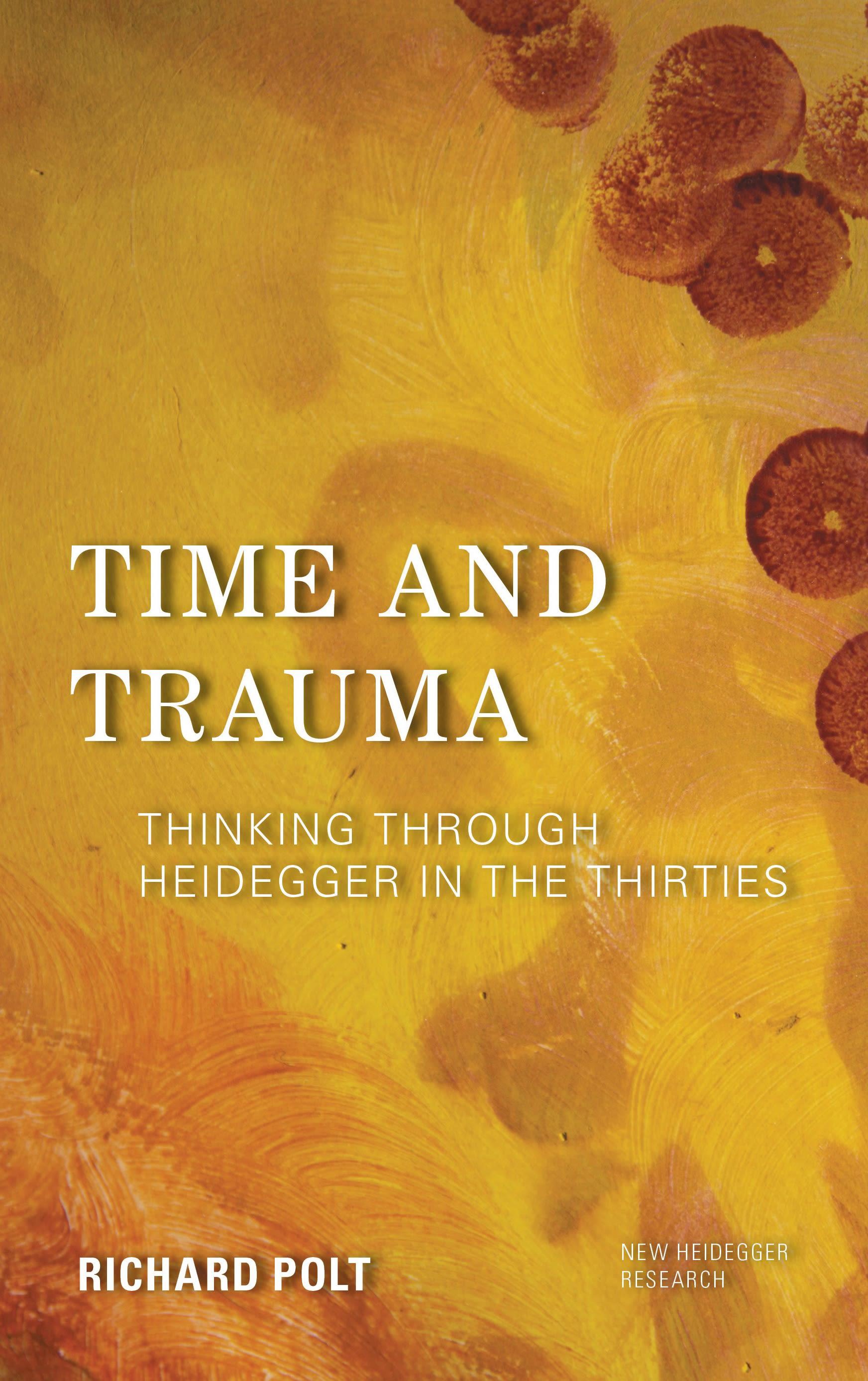
In this important new book, Richard Polt takes a fresh approach to Heidegger’s thought during his most politicized period, and works toward a philosophical appropriation of his most valuable ideas. Polt shows how central themes of the 1930s—such as inception, emergency, and the question “Who are we?”—grow from seeds planted in Being and Time and are woven into Heidegger’s political thought. Working with recently published texts, including Heidegger’s Black Notebooks, Polt traces the thinker’s engagement and disengagement from the Nazi movement. He critiques Heidegger for his failure to understand the political realm, but also draws on his ideas to propose a “traumatic ontology” that understands individual and collective existence as identities that are always in question, and always remain exposed to disruptive events. Time and Trauma is a bold attempt to gain philosophical insight from the most problematic and controversial phase of Heidegger’s thought.
Payez facilement par carte, Klarna, Apple Pay ou Google Pay. Pas satisfait ? Vous avez toujours une garantie de remboursement de 14 jours. En savoir plus dans nos conditions. Si vous avez des questions, envoyez-nous un e-mail à hello@memmo.org.
Memmo facilite tes études, où que tu sois dans le monde. On rassemble tes manuels de cours et des outils d'étude intelligents au même endroit : résumés, quiz, podcasts et flashcards. Et il y a Ted, ton compagnon d'étude qui répond à toutes tes questions. Plus de 50 000 étudiants étudient déjà ici – conçu pour t'aider à apprendre plus vite et à moins stresser.