
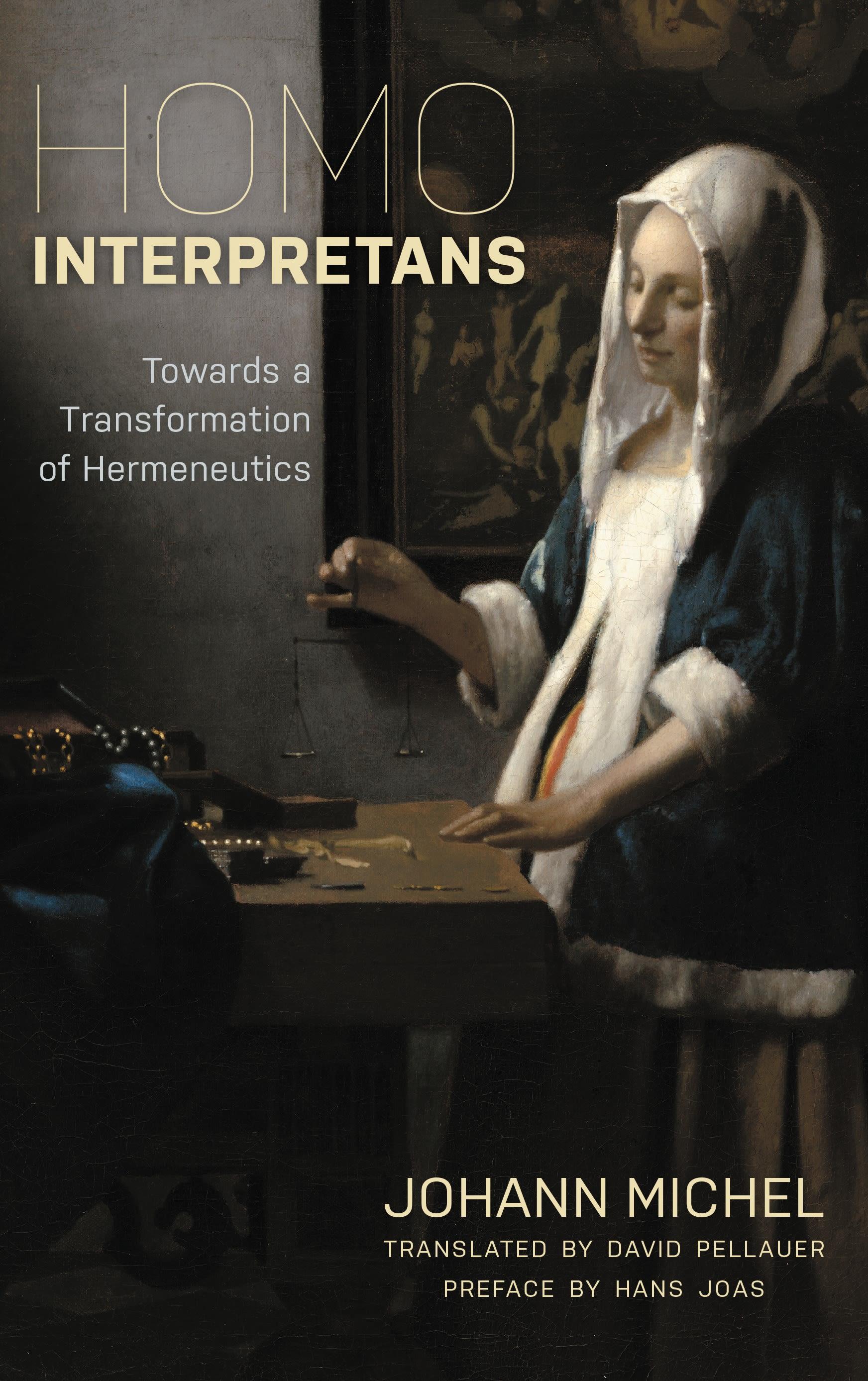
When do we interpret? That is the question at the heart of this important new work by Johann Michel. The human being does not spend his time interpreting in everyday life. We interpret when we are confronted with a blurred, confused, problematic sense. Such is the originality of the author's perspective which removes the anthropological interdict that has hampered hermeneutics since Heidegger. Michel proposes an anthropology of homo interpretans as the first and founding principle of fundamental ontology (relating to the meaning of being) as well as of the theory of knowledge (relating to interpretation in the human sciences). He argues that the root of hermeneutics lies in ordinary interpretative techniques (explication, clarification, unveiling), rather than as a set of learned technologies applied to specific fields (texts, symbols, actions).
Payez facilement par carte, Klarna, Apple Pay ou Google Pay. Pas satisfait ? Vous avez toujours une garantie de remboursement de 14 jours. En savoir plus dans nos conditions. Si vous avez des questions, envoyez-nous un e-mail à hello@memmo.org.
Memmo facilite tes études, où que tu sois dans le monde. On rassemble tes manuels de cours et des outils d'étude intelligents au même endroit : résumés, quiz, podcasts et flashcards. Et il y a Ted, ton compagnon d'étude qui répond à toutes tes questions. Plus de 50 000 étudiants étudient déjà ici – conçu pour t'aider à apprendre plus vite et à moins stresser.