
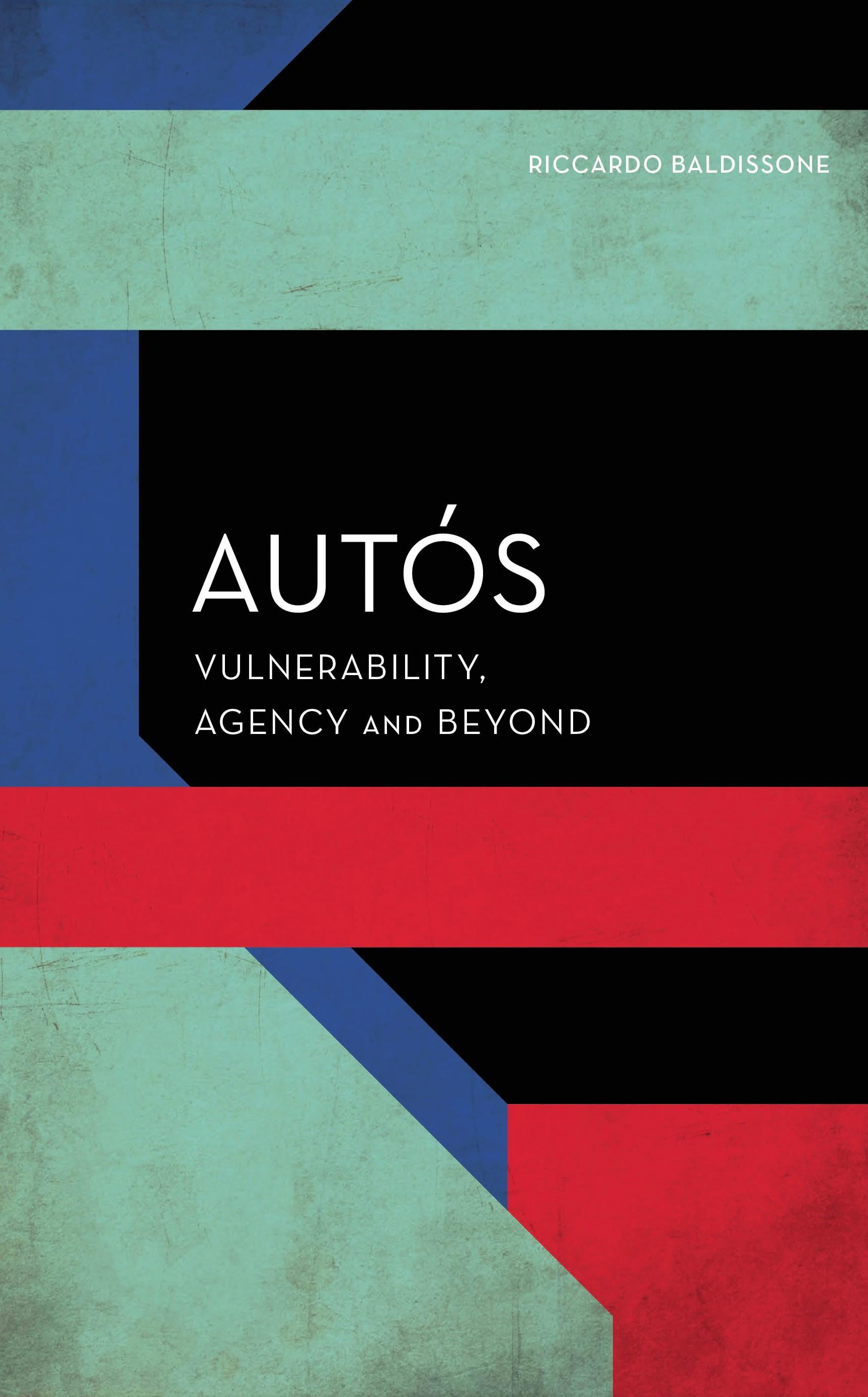
Are we doomed to construct reality with the language of being and individuality? Autós shows a different perspective by reconsidering the European textual production of individuals. Its narration progresses in reverse chronological order to escape teleology: it goes from the modern atomized and self-sufficient subject to her immediate precursor, namely, the isolated faithful of Reformation theology, and to the amazing proliferation of medieval bodies, after the Late Antique narrow individuation of the Christian persona. Roman law mostly escapes the latter’s definitional approach, which first appears in Greek speculation: here, the vocabulary of being and identity takes shape, as exemplified by the new Platonic deployment of the word autós, which has both the sense of ‘same’ and ‘self.’ The Homeric epic instead shows us a discursive regime that precedes the invention of body, mind, being, and self. Taking further old and new examples, the book seeks to provincialize the technologies of the self through a new vocabulary of incorporation, whose sphere of action is not the being of entities, but the performing of practices.
Payez facilement par carte, Klarna, Apple Pay ou Google Pay. Pas satisfait ? Vous avez toujours une garantie de remboursement de 14 jours. En savoir plus dans nos conditions. Si vous avez des questions, envoyez-nous un e-mail à hello@memmo.org.
Memmo facilite tes études, où que tu sois dans le monde. On rassemble tes manuels de cours et des outils d'étude intelligents au même endroit : résumés, quiz, podcasts et flashcards. Et il y a Ted, ton compagnon d'étude qui répond à toutes tes questions. Plus de 50 000 étudiants étudient déjà ici – conçu pour t'aider à apprendre plus vite et à moins stresser.