
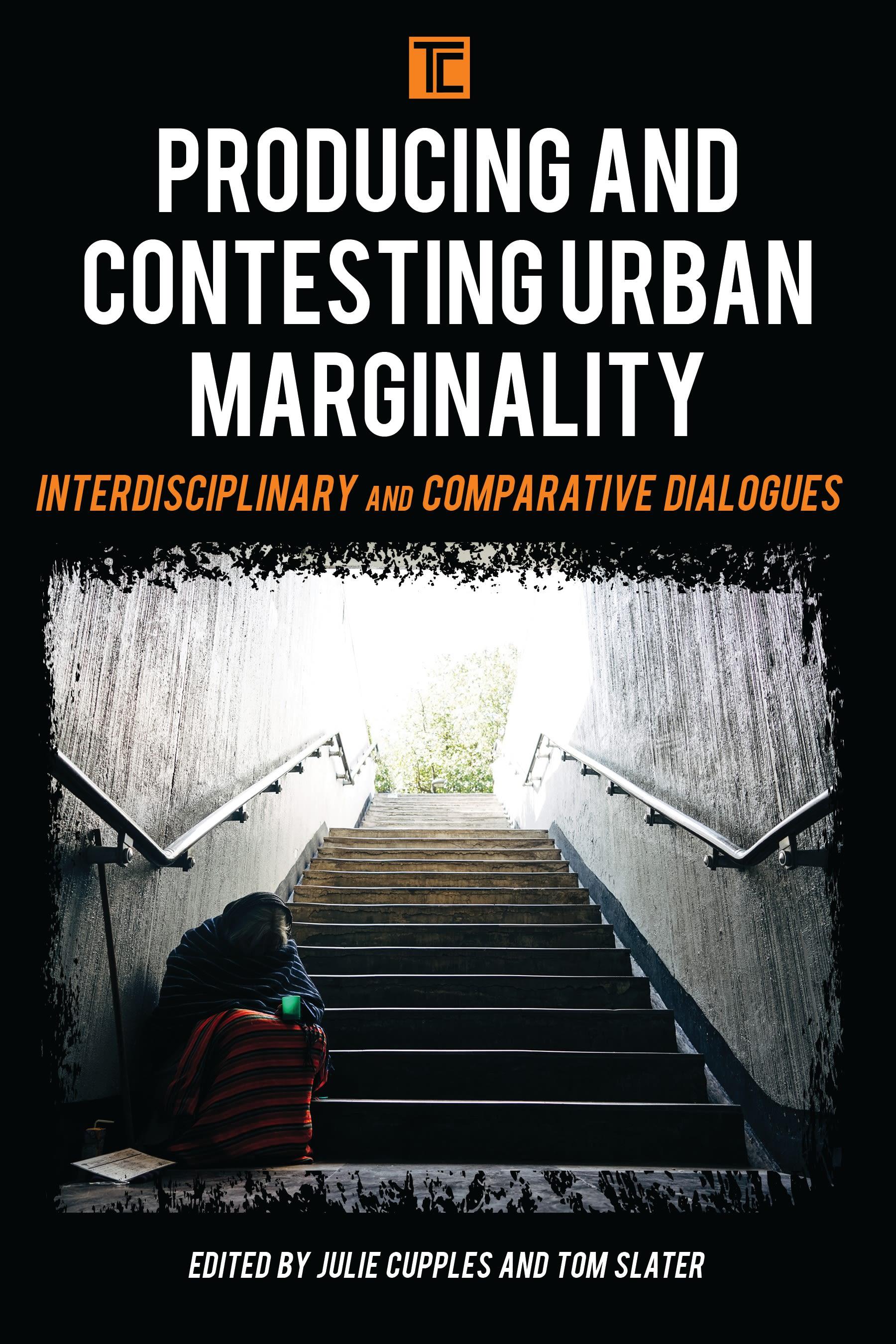
In Mexico City, as in many other large cities worldwide, contemporary modes of urban governance have overwhelmingly benefited affluent populations and widened social inequalities. Disinvestment from social housing and rent-seeking developments by real estate companies and land speculators have resulted in the displacement of low-income populations to the urban periphery. Public social spaces have been eliminated to make way for luxury apartments and business interests. Low-income neighbourhoods are often stigmatized by dominant social forces to justify their demolition.
The urban poor have however negotiated and resisted these developments in a range of ways. This text explores these urban dynamics in Mexico City and beyond, looking at the material and symbolic mechanisms through which urban marginality is produced and contested. It seeks to understand how things might be otherwise, how the city might be geared towards more inclusive forms of belonging and citizenship.
The urban poor have however negotiated and resisted these developments in a range of ways. This text explores these urban dynamics in Mexico City and beyond, looking at the material and symbolic mechanisms through which urban marginality is produced and contested. It seeks to understand how things might be otherwise, how the city might be geared towards more inclusive forms of belonging and citizenship.
Payez facilement par carte, Klarna, Apple Pay ou Google Pay. Pas satisfait ? Vous avez toujours une garantie de remboursement de 14 jours. En savoir plus dans nos conditions. Si vous avez des questions, envoyez-nous un e-mail à hello@memmo.org.
Memmo facilite tes études, où que tu sois dans le monde. On rassemble tes manuels de cours et des outils d'étude intelligents au même endroit : résumés, quiz, podcasts et flashcards. Et il y a Ted, ton compagnon d'étude qui répond à toutes tes questions. Plus de 50 000 étudiants étudient déjà ici – conçu pour t'aider à apprendre plus vite et à moins stresser.