
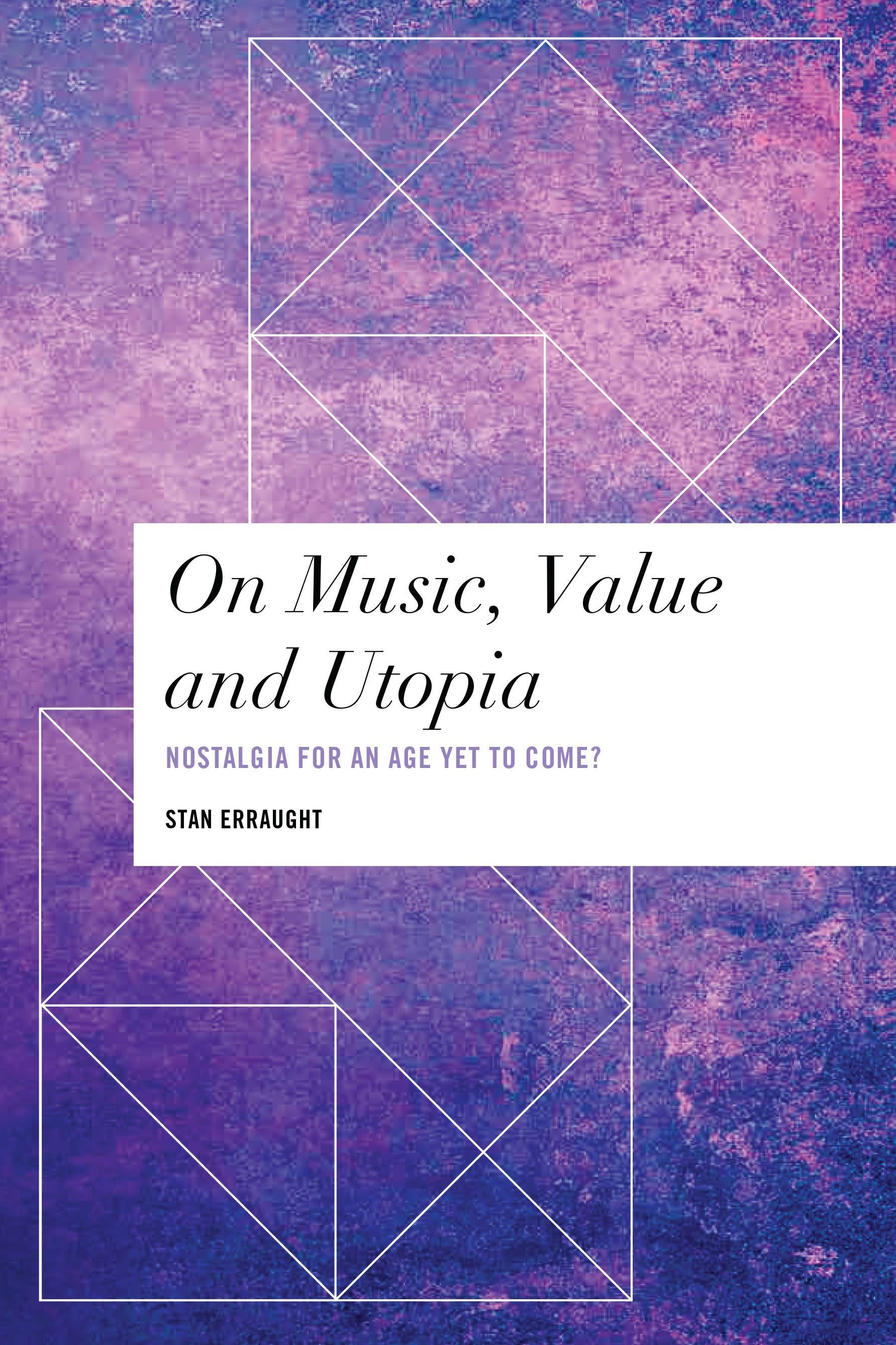
Adorno’s writings are often the starting point for the teaching of popular music studies, usually passing swiftly on, after concluding that ‘he didn’t listen to the right jazz’ or ‘he was a snob’. In this book, using Adorno’s aesthetic theory more generally, a viable philosophical approach to the study of idiomatic, non- standard music is constructed. The links between Adorno’s work and its Kantian roots are explored, and a more general and inclusive aesthetic constructed, using the utopian and implicitly political elements in each.
This book will be of interest to critical theorists and musicologists wishing to build a more engaged practice without the pitfalls of a by now outdated ‘postmodern’ turn.
This book will be of interest to critical theorists and musicologists wishing to build a more engaged practice without the pitfalls of a by now outdated ‘postmodern’ turn.
Payez facilement par carte, Klarna, Apple Pay ou Google Pay. Pas satisfait ? Vous avez toujours une garantie de remboursement de 14 jours. En savoir plus dans nos conditions. Si vous avez des questions, envoyez-nous un e-mail à hello@memmo.org.
Memmo facilite tes études, où que tu sois dans le monde. On rassemble tes manuels de cours et des outils d'étude intelligents au même endroit : résumés, quiz, podcasts et flashcards. Et il y a Ted, ton compagnon d'étude qui répond à toutes tes questions. Plus de 50 000 étudiants étudient déjà ici – conçu pour t'aider à apprendre plus vite et à moins stresser.