
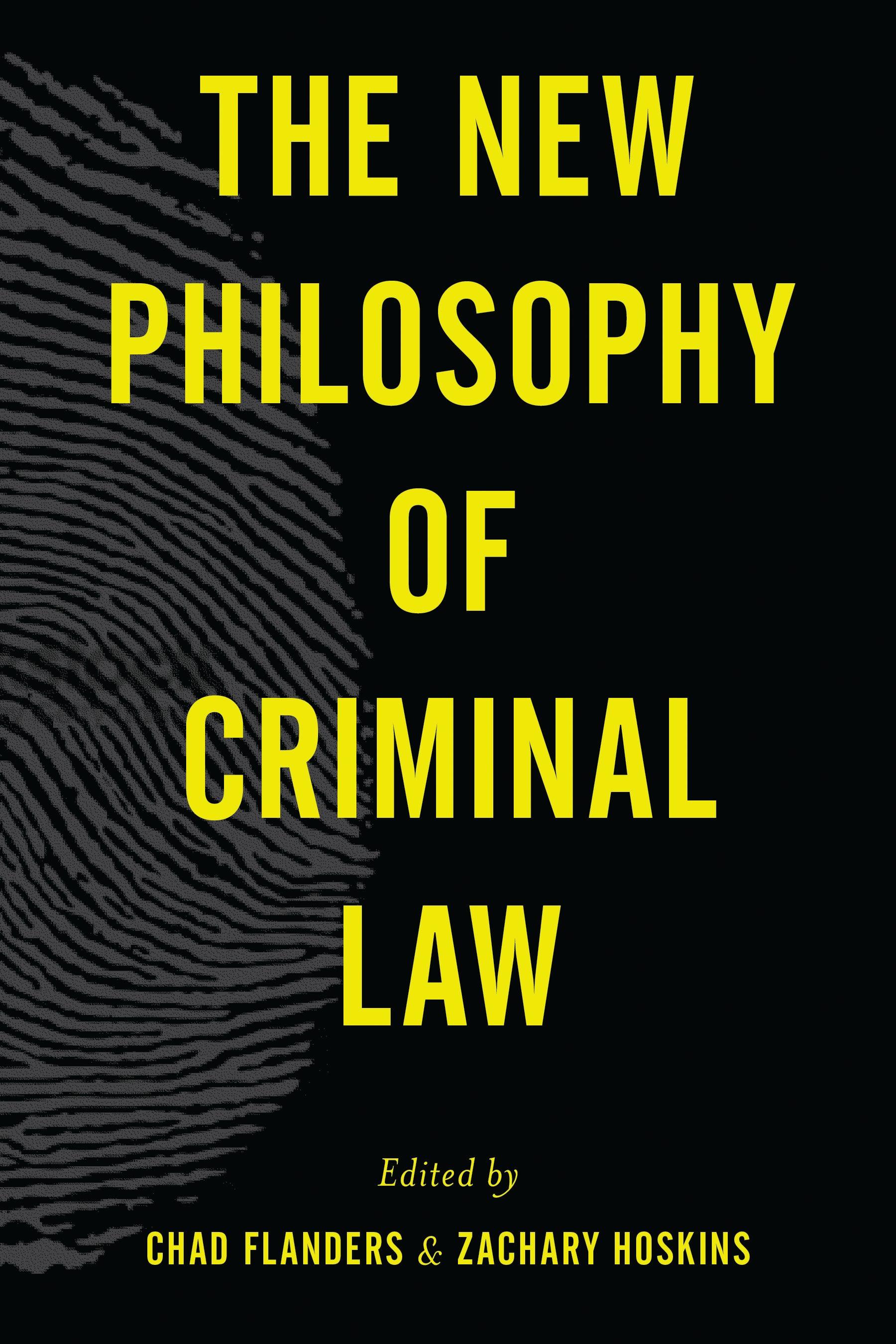
There is no more vivid example of a state’s power over its citizens than the criminal law. By criminalizing various behaviours, the state sets boundaries on what we can and cannot do. And the criminal law is in many ways unique in the harshness of its sanctions. But traditional criminal law theory has for too long focussed on the questions, “what is a crime?” and “what is the justification of punishment?” The significance of the criminal law extends beyond these questions; indeed, critical philosophical questions underlie all aspects of the criminal justice system. The criminal law engages us not just as offenders or potential offenders, but also as victims, suspects, judges and jurors, prosecutors and defenders—and as citizens.
The authors in this volume go beyond traditional questions to challenge our conventional understandings of the criminal law. In doing so, they draw from a number of disciplines including philosophy, history, and social science.
The authors in this volume go beyond traditional questions to challenge our conventional understandings of the criminal law. In doing so, they draw from a number of disciplines including philosophy, history, and social science.
Payez facilement par carte, Klarna, Apple Pay ou Google Pay. Pas satisfait ? Vous avez toujours une garantie de remboursement de 14 jours. En savoir plus dans nos conditions. Si vous avez des questions, envoyez-nous un e-mail à hello@memmo.org.
Memmo facilite tes études, où que tu sois dans le monde. On rassemble tes manuels de cours et des outils d'étude intelligents au même endroit : résumés, quiz, podcasts et flashcards. Et il y a Ted, ton compagnon d'étude qui répond à toutes tes questions. Plus de 50 000 étudiants étudient déjà ici – conçu pour t'aider à apprendre plus vite et à moins stresser.