
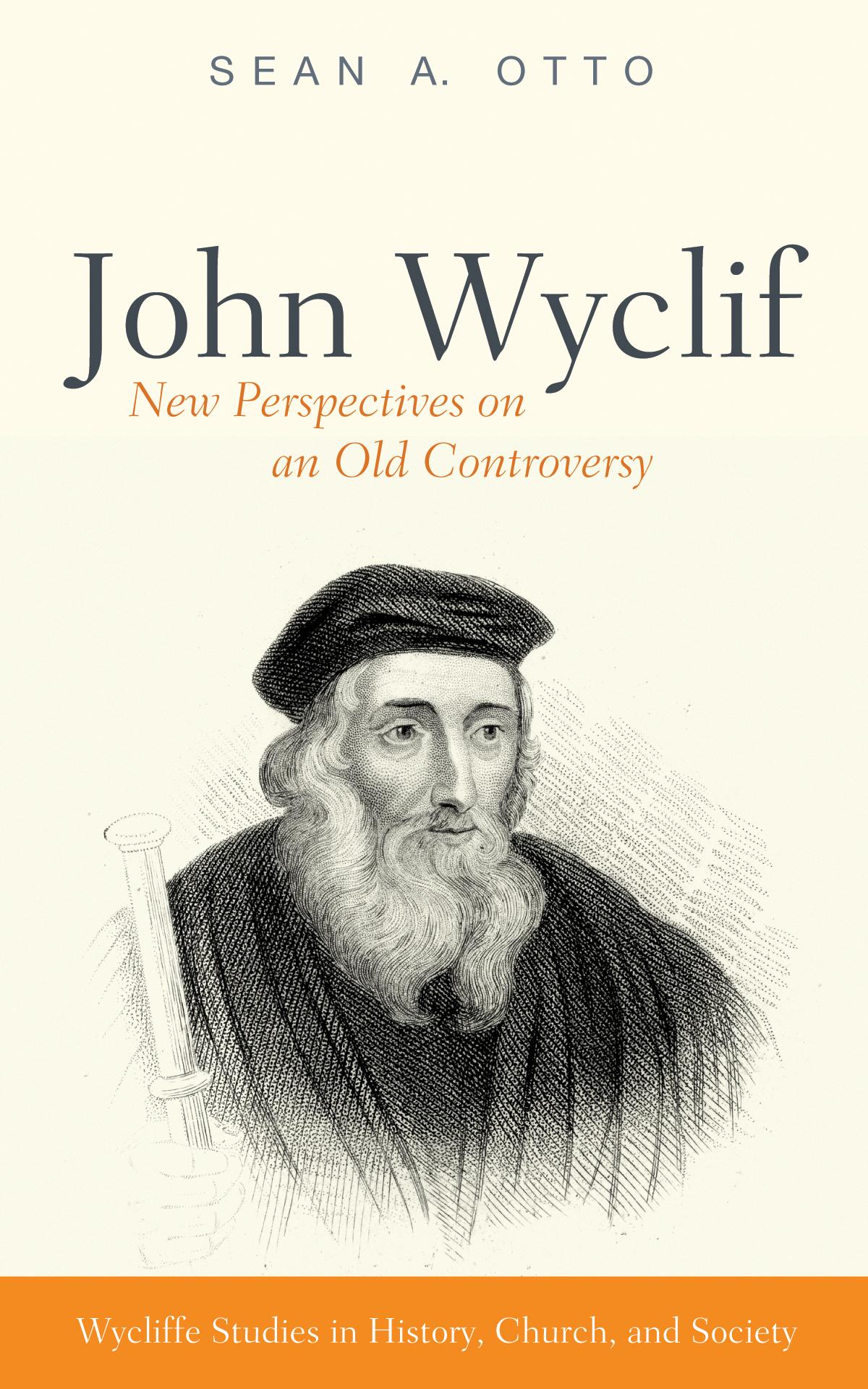
John Wyclif has been a controversial figure since his own time, often dividing opinion between devoted followers and intransigent opponents. In the fifteenth and sixteenth centuries, there was already a developing mythos about him, and he was variously used as a symbol of heretical depravity or of valorous defense of the gospel. The Reformation calcified opinions, and the two subsequent centuries did not see much development. The nineteenth century marked the beginning of important changes in scholarly opinion, with confessional approaches weakening and giving way to greater objectivity. This trend was strengthened by the emergence of a professional class of historians around the turn of the twentieth century, but the established confessional biases were not quickly done away with until the postwar period. Today, confessional mythmaking is gone and the goal is no longer to show why one particular branch of Christianity is correct, but to present as accurate a picture as possible of the past. As the concerns of the twentieth century give way to those of the twenty-first, it is encouraging that there are still new things to be learned about the past, new ways of seeing and engaging, even with figures so well studied as Wyclif.
Payez facilement par carte, Klarna, Apple Pay ou Google Pay. Pas satisfait ? Vous avez toujours une garantie de remboursement de 14 jours. En savoir plus dans nos conditions. Si vous avez des questions, envoyez-nous un e-mail à hello@memmo.org.
Memmo facilite tes études, où que tu sois dans le monde. On rassemble tes manuels de cours et des outils d'étude intelligents au même endroit : résumés, quiz, podcasts et flashcards. Et il y a Ted, ton compagnon d'étude qui répond à toutes tes questions. Plus de 50 000 étudiants étudient déjà ici – conçu pour t'aider à apprendre plus vite et à moins stresser.
Tu pourrais aussi aimer
Acheter le livre0