
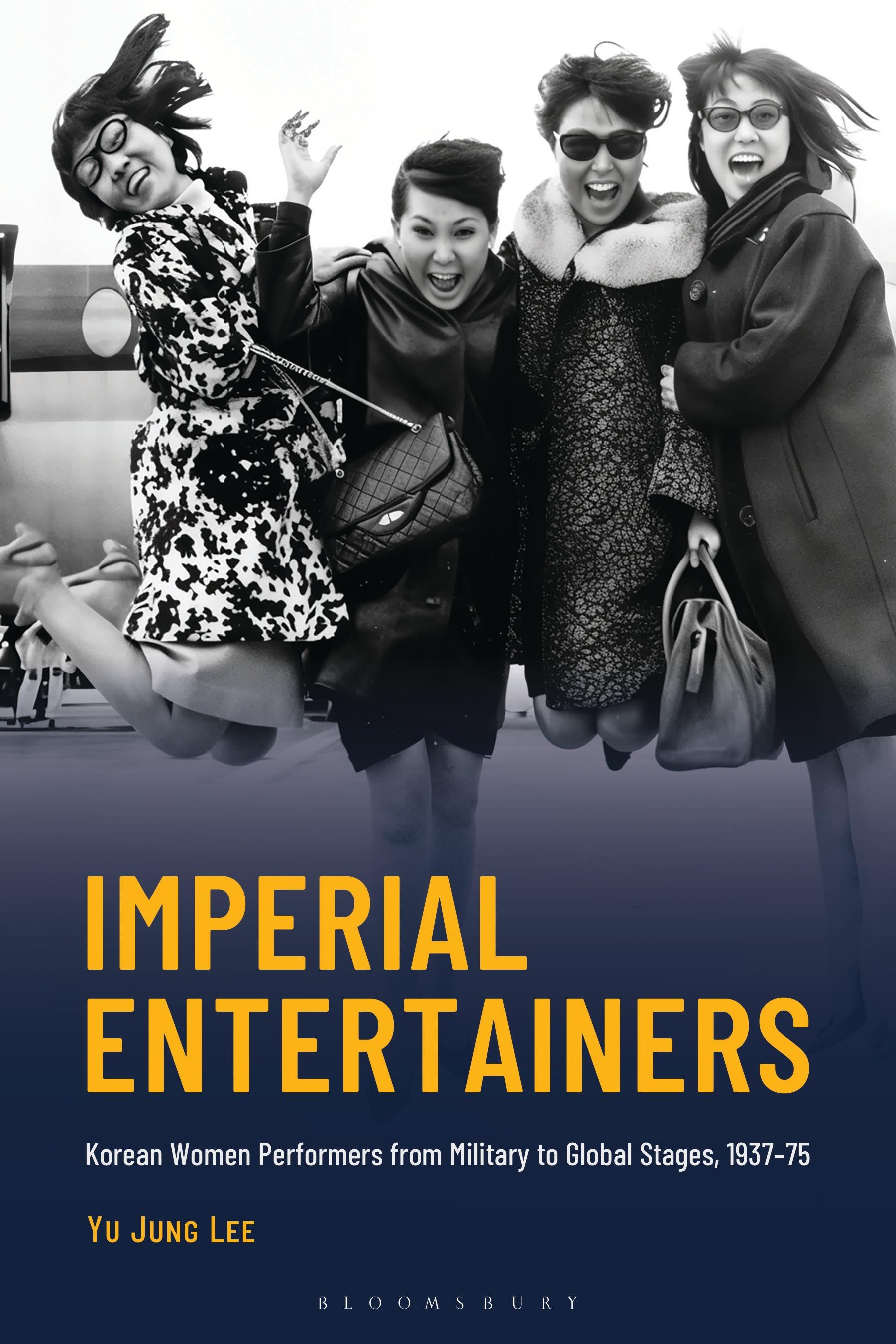
The book uncovers the untold stories of Korean women performers who navigated successive waves of conflict as cultural laborers in military entertainment, offering insight into the intersection of war, gender, and culture in East Asia.
Imperial Entertainers: Korean Women Performers from Military to Global Stages, 1937-75 uncovers the untold stories of Korean women performers who navigated successive waves of conflict - from the Pacific War to the Korean and Vietnam Wars - as cultural laborers in military entertainment. The author traces how these women became central figures in a dynamic entertainment market that emerged across the Asia-Pacific region amid U.S. Military expansion. Through extensive archival research and intimate interviews with former performers, this book reveals how these women skillfully balanced multiple roles: representing South Korea's new identity as a free nation, performing "Americanness" for military audiences, and pursuing their own personal and professional aspirations. From their early performances in EUSAK (Eight United States Army Korea) clubs to their later success in Vietnam War-era entertainment circuits, these entertainers formed a unique labor pool that circulated throughout the militarized zones of Asia. While their performances served American military interests and Cold War cultural diplomacy, these women were not merely passive participants in U.S. hegemony. Instead, they actively shaped their careers, challenged cultural boundaries, and carved out spaces for individual agency within the constraints of military entertainment. By examining these entertainers as cultural laborers with transnational military networks, the author offers new insights into the intersection of war, gender, and cultural labor in East Asia.
Imperial Entertainers: Korean Women Performers from Military to Global Stages, 1937-75 uncovers the untold stories of Korean women performers who navigated successive waves of conflict - from the Pacific War to the Korean and Vietnam Wars - as cultural laborers in military entertainment. The author traces how these women became central figures in a dynamic entertainment market that emerged across the Asia-Pacific region amid U.S. Military expansion. Through extensive archival research and intimate interviews with former performers, this book reveals how these women skillfully balanced multiple roles: representing South Korea's new identity as a free nation, performing "Americanness" for military audiences, and pursuing their own personal and professional aspirations. From their early performances in EUSAK (Eight United States Army Korea) clubs to their later success in Vietnam War-era entertainment circuits, these entertainers formed a unique labor pool that circulated throughout the militarized zones of Asia. While their performances served American military interests and Cold War cultural diplomacy, these women were not merely passive participants in U.S. hegemony. Instead, they actively shaped their careers, challenged cultural boundaries, and carved out spaces for individual agency within the constraints of military entertainment. By examining these entertainers as cultural laborers with transnational military networks, the author offers new insights into the intersection of war, gender, and cultural labor in East Asia.
Payez facilement par carte, Klarna, Apple Pay ou Google Pay. Pas satisfait ? Vous avez toujours une garantie de remboursement de 14 jours. En savoir plus dans nos conditions. Si vous avez des questions, envoyez-nous un e-mail à hello@memmo.org.
Memmo facilite tes études, où que tu sois dans le monde. On rassemble tes manuels de cours et des outils d'étude intelligents au même endroit : résumés, quiz, podcasts et flashcards. Et il y a Ted, ton compagnon d'étude qui répond à toutes tes questions. Plus de 50 000 étudiants étudient déjà ici – conçu pour t'aider à apprendre plus vite et à moins stresser.