
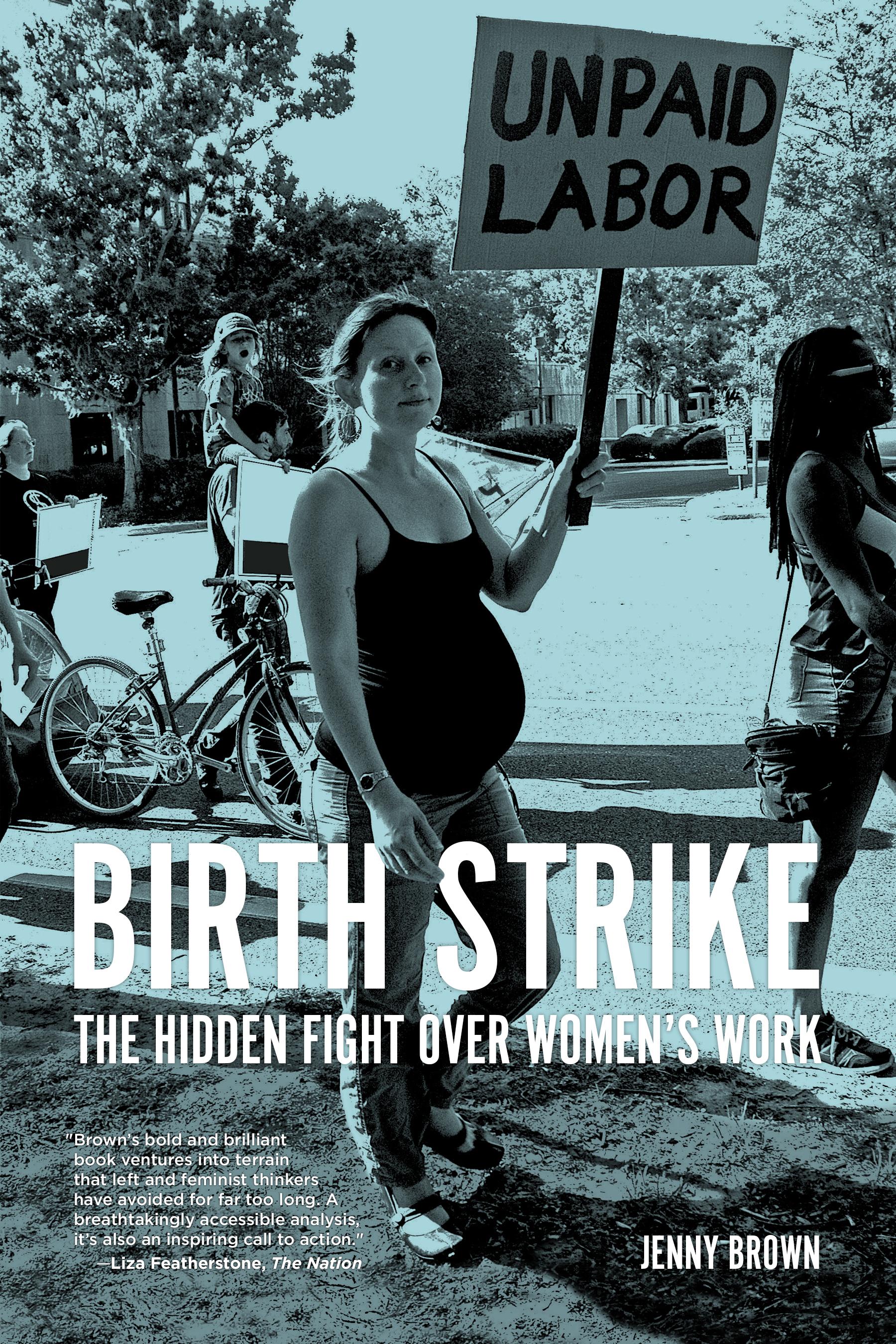
When House Speaker Paul Ryan urged U.S. women to have more children, and Ross Douthat requested “More babies, please,” in a New York Times column, they openly expressed what policymakers have been discussing for decades with greater discretion. Using technical language like “age structure,” “dependency ratio,” and “entitlement crisis,” establishment think tanks are raising the alarm: if U.S. women don’t get busy having more children, we’ll face an aging workforce, slack consumer demand, and a stagnant economy.
Feminists generally believe that a prudish religious bloc is responsible for the protracted fight over reproductive freedom in the U.S. and that politicians only attack abortion and birth control to appeal to those “values voters.” But hidden behind this conventional explanation is a dramatic fight over women’s reproductive labor. On one side, elite policymakers want an expanding workforce reared with a minimum of employer spending and a maximum of unpaid women’s work. On the other side, women are refusing to produce children at levels desired by economic planners. By some measures our birth rate is the lowest it has ever been. With little access to childcare, family leave, health care, and with insufficient male participation, U.S. women are conducting a spontaneous birth strike.
In other countries, panic over low birth rates has led governments to underwrite childbearing and childrearing with generous universal programs, but in the U.S., women have not yet realized the potential of our bargaining position. When we do, it will lead to new strategies for winning full access to abortion and birth control, and for improving the difficult working conditions U.S. parents now face when raising children.
Payez facilement par carte, Klarna, Apple Pay ou Google Pay. Pas satisfait ? Vous avez toujours une garantie de remboursement de 14 jours. En savoir plus dans nos conditions. Si vous avez des questions, envoyez-nous un e-mail à hello@memmo.org.
Memmo facilite tes études, où que tu sois dans le monde. On rassemble tes manuels de cours et des outils d'étude intelligents au même endroit : résumés, quiz, podcasts et flashcards. Et il y a Ted, ton compagnon d'étude qui répond à toutes tes questions. Plus de 50 000 étudiants étudient déjà ici – conçu pour t'aider à apprendre plus vite et à moins stresser.