
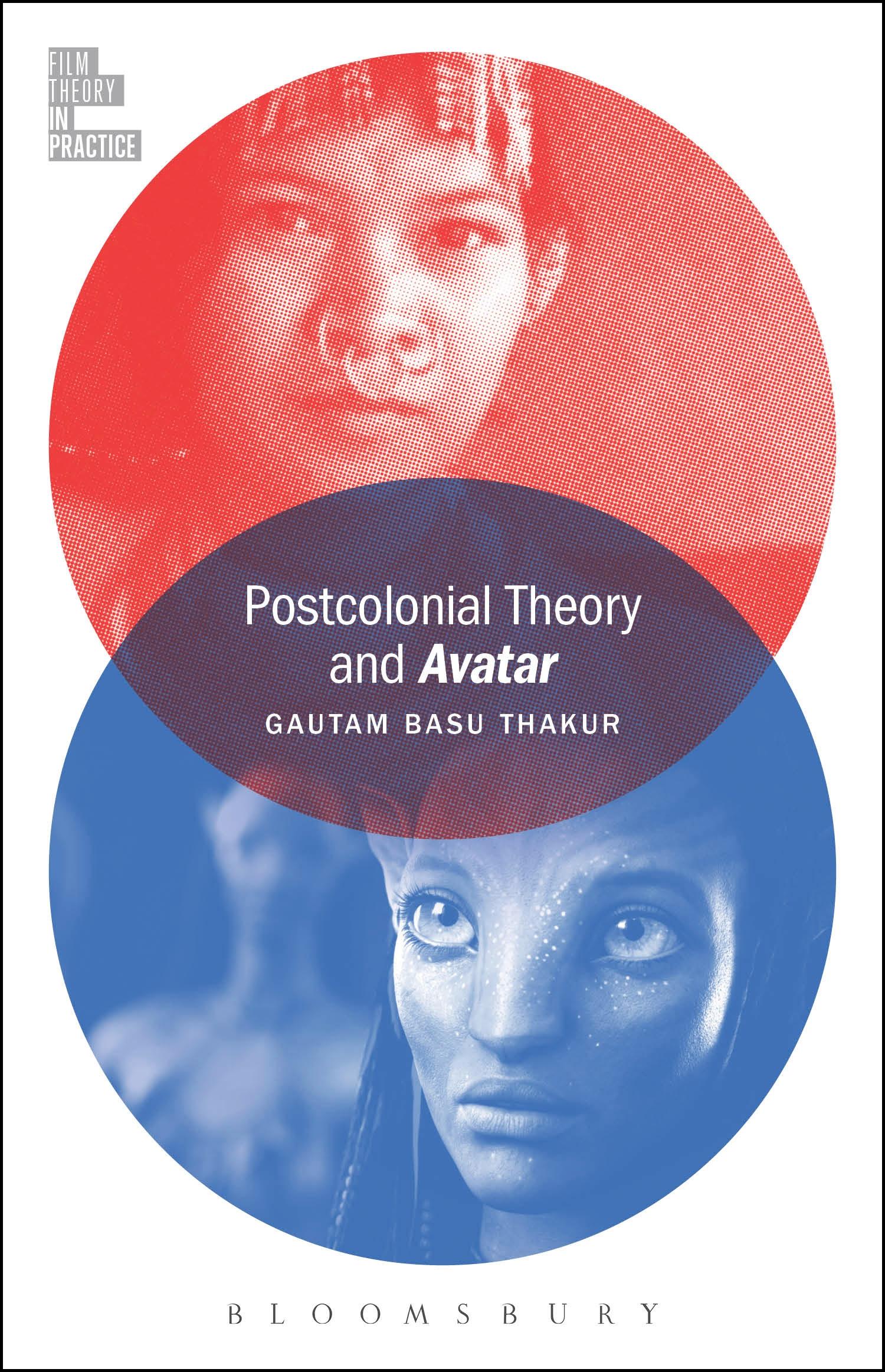
The Film Theory in Practice series fills a gaping hole in the world of film theory. By marrying the explanation of a film theory with the interpretation of a film, the volumes provide discrete examples of how film theory can serve as the basis for textual analysis. The second book in the series, Postcolonial Theory and Avatar offers a concise introduction to postcolonial theory in jargon-free language and shows how this theory can be deployed to interpret James Cameron's high-grossing, immensely popular, and critically acclaimed 2009 film.
Avatar is widely celebrated for its politically and culturally sensitive critique of the “West's” neocolonial wars and exploitation of the “global south” – an allegory for (neo)colonialism – and for highlighting the plight of tribal communities throughout the world (for instance, the case of the Dongriah Kondh tribe of India). At the same time, it has been also criticized for repeating the colonialist fantasy of saving natives doomed by imperialist aggression. Intervening in this debate over how to read the film, Basu Thakur focuses on issues of representations, discourse, subalternity, and subjectivity, all of which have been central to postcolonial theory and postcolonial analyses of culture. This history will help students and scholars who are eager to learn more about this important area of theory and bring the concepts of postcolonial theory into practice through a detailed interpretation of the film.
Avatar is widely celebrated for its politically and culturally sensitive critique of the “West's” neocolonial wars and exploitation of the “global south” – an allegory for (neo)colonialism – and for highlighting the plight of tribal communities throughout the world (for instance, the case of the Dongriah Kondh tribe of India). At the same time, it has been also criticized for repeating the colonialist fantasy of saving natives doomed by imperialist aggression. Intervening in this debate over how to read the film, Basu Thakur focuses on issues of representations, discourse, subalternity, and subjectivity, all of which have been central to postcolonial theory and postcolonial analyses of culture. This history will help students and scholars who are eager to learn more about this important area of theory and bring the concepts of postcolonial theory into practice through a detailed interpretation of the film.
Payez facilement par carte, Klarna, Apple Pay ou Google Pay. Pas satisfait ? Vous avez toujours une garantie de remboursement de 14 jours. En savoir plus dans nos conditions. Si vous avez des questions, envoyez-nous un e-mail à hello@memmo.org.
Memmo facilite tes études, où que tu sois dans le monde. On rassemble tes manuels de cours et des outils d'étude intelligents au même endroit : résumés, quiz, podcasts et flashcards. Et il y a Ted, ton compagnon d'étude qui répond à toutes tes questions. Plus de 50 000 étudiants étudient déjà ici – conçu pour t'aider à apprendre plus vite et à moins stresser.