
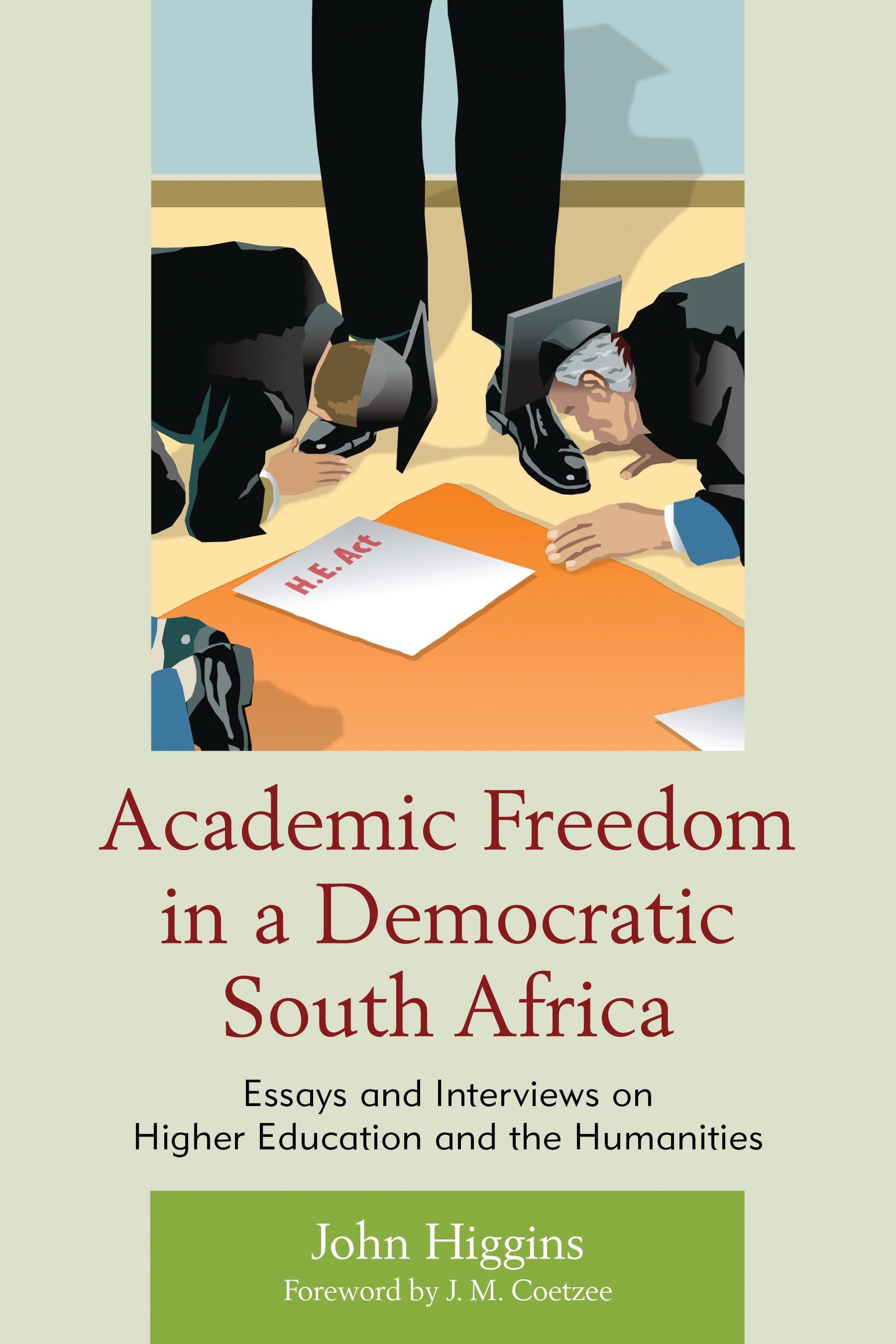
How do we understand academic freedom today? Does it still have relevance in a global
reconfiguring of higher education in the interests of the economy, rather than the public
good? And locally, is academic freedom no more than an inconvenient ideal, paid lip service
to South Africa’s Constitution as an individual right, but neglected in institutional practice?
This book argues that the core content of academic freedom—the principle of supporting and
extending open intellectual enquiry—is essential to realizing the full public value of higher
education. John Higgins emphasizes the central role that the humanities, and the particular forms of
argument and analysis they embody, bring to this task.
Each chapter embodies the particular force of a critical literacy in action, one which brings
into play the combined force of historical inquiry, theoretical analysis, and precise attention
to the textual dynamics of all statement so as to challenge and confront the received ideas of
the day. These provocative analyses are complemented by probing interviews with three key
figures from the Critical Humanities: Terry Eagleton, who discusses the deforming effects of
managerialism in British universities; Edward W. Said, who argues for increased recognition of
the democratizing force of the humanities; and Jakes Gerwel, who presents some of the most
recent challenges for the realization of a humanist politics in South Africa.
reconfiguring of higher education in the interests of the economy, rather than the public
good? And locally, is academic freedom no more than an inconvenient ideal, paid lip service
to South Africa’s Constitution as an individual right, but neglected in institutional practice?
This book argues that the core content of academic freedom—the principle of supporting and
extending open intellectual enquiry—is essential to realizing the full public value of higher
education. John Higgins emphasizes the central role that the humanities, and the particular forms of
argument and analysis they embody, bring to this task.
Each chapter embodies the particular force of a critical literacy in action, one which brings
into play the combined force of historical inquiry, theoretical analysis, and precise attention
to the textual dynamics of all statement so as to challenge and confront the received ideas of
the day. These provocative analyses are complemented by probing interviews with three key
figures from the Critical Humanities: Terry Eagleton, who discusses the deforming effects of
managerialism in British universities; Edward W. Said, who argues for increased recognition of
the democratizing force of the humanities; and Jakes Gerwel, who presents some of the most
recent challenges for the realization of a humanist politics in South Africa.
Pages: 286
Catégorie: Utbildning & lärande
e-ISBN: 9781611485998
Poids d'expédition: 1.2 kg
Expédié sous: 1-2 jours
Payez facilement par carte, Klarna, Apple Pay ou Google Pay. Pas satisfait ? Vous avez toujours une garantie de remboursement de 14 jours. En savoir plus dans nos conditions. Si vous avez des questions, envoyez-nous un e-mail à hello@memmo.org.
Memmo facilite tes études, où que tu sois dans le monde. On rassemble tes manuels de cours et des outils d'étude intelligents au même endroit : résumés, quiz, podcasts et flashcards. Et il y a Ted, ton compagnon d'étude qui répond à toutes tes questions. Plus de 50 000 étudiants étudient déjà ici – conçu pour t'aider à apprendre plus vite et à moins stresser.