
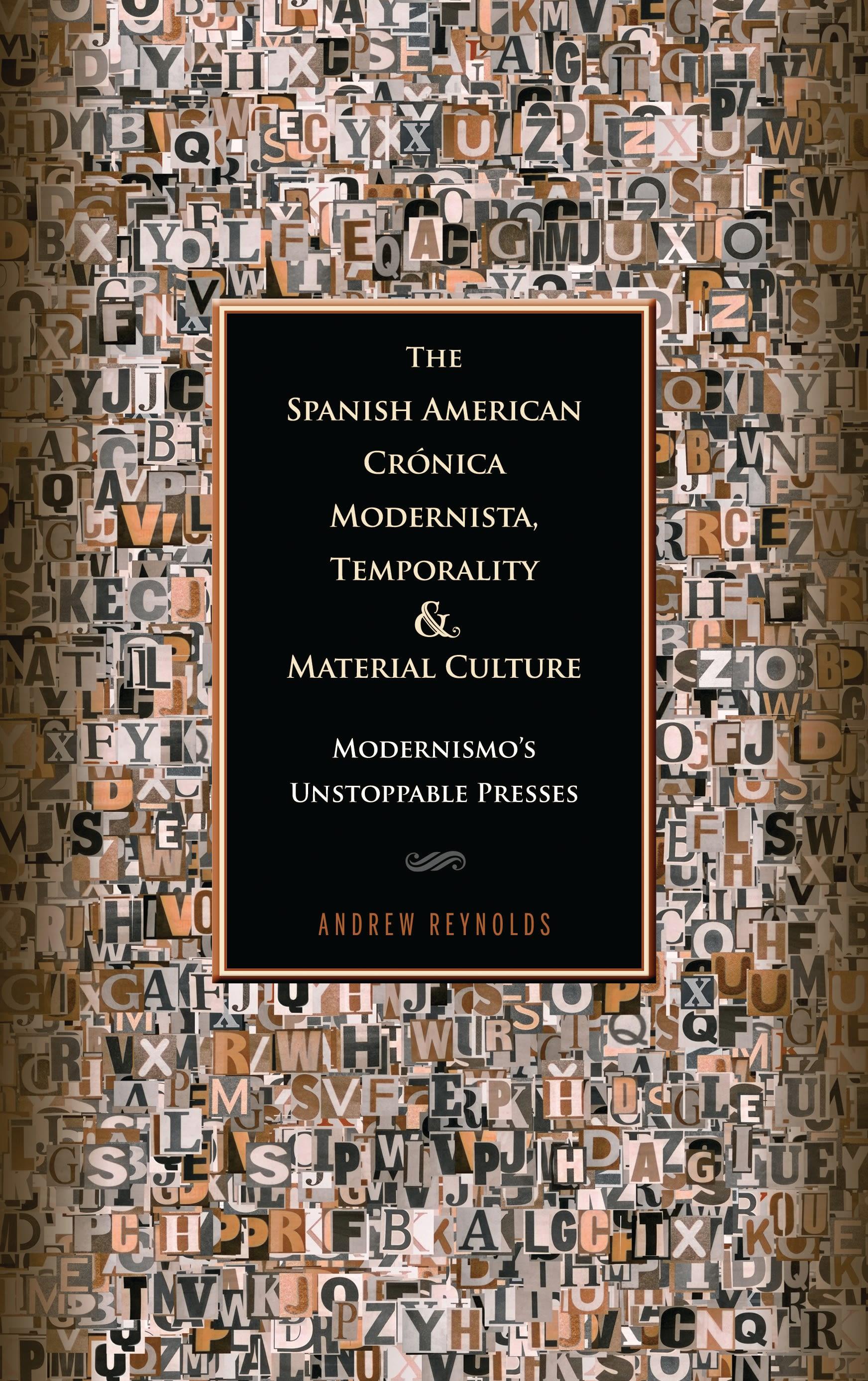
This study explores how Spanish American modernista writers incorporated journalistic formalities and industry models through the crónica genre to advance their literary preoccupations. Through a variety of modernista writers, including José Martí, Amado Nervo, Manuel Gutiérrez Nájera and Rubén Darío, Reynolds argues that extra-textual elements—such as temporality, the material formats of the newspaper and book, and editorial influence—animate the modernista movement’s literary ambitions and aesthetic ideology. Thus, instead of being stripped of an esteemed place in the literary sphere due to participation in the market-based newspaper industry, journalism actually brought modernismo closer to the writers’ desired artistic autonomy. Reynolds uncovers an original philosophical and sociological dimension of the literary forms that govern modernista studies, situating literary journalism of the movement within historical, economic and temporal contexts. Furthermore, he demonstrates that journalism of the movement was eventually consecrated in book form, revealing modernista intentionality for their mass-produced, seemingly utilitarian journalistic articles. The Spanish American Crónica Modernista, Temporality, and Material Culture thereby enables a better understanding of how the material textuality of the crónica impacts its interpretation and readership.
Payez facilement par carte, Klarna, Apple Pay ou Google Pay. Pas satisfait ? Vous avez toujours une garantie de remboursement de 14 jours. En savoir plus dans nos conditions. Si vous avez des questions, envoyez-nous un e-mail à hello@memmo.org.
Memmo facilite tes études, où que tu sois dans le monde. On rassemble tes manuels de cours et des outils d'étude intelligents au même endroit : résumés, quiz, podcasts et flashcards. Et il y a Ted, ton compagnon d'étude qui répond à toutes tes questions. Plus de 50 000 étudiants étudient déjà ici – conçu pour t'aider à apprendre plus vite et à moins stresser.