
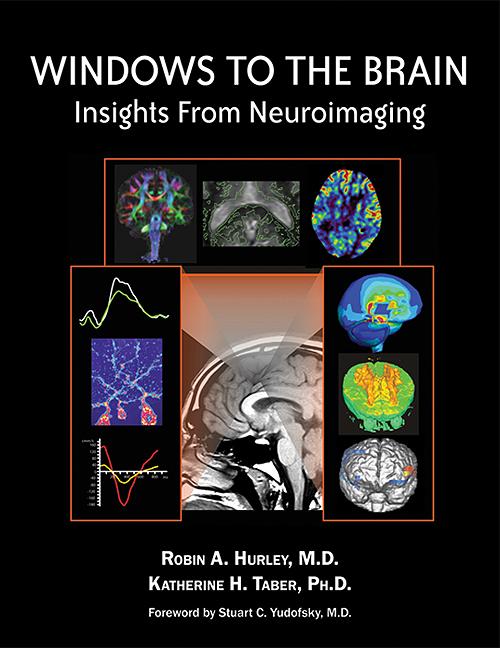
Windows to the Brain is the only book to synthesize neuroanatomical and imaging research as it pertains to selected neuropsychiatric diseases, containing all of the "Windows to the Brain" papers published from 1999-2006 in the Journal of Neuropsychiatry and Clinical Neurosciences. These reader-friendly summaries by more than sixty contributors present modern imaging techniques that assist in the diagnosis of neuropsychiatric illness, enhanced by easily understood color graphics of the neuroanatomical circuits of behavior, memory, and emotion. They provide a basic understanding of how to apply a variety of imaging techniques to the study of adult neuropsychiatric disease and how to use neuroimaging to assist in diagnostic work-ups for conditions ranging from sleep disorders to epilepsy to borderline personality.
Integrated, color-coded graphics present functional anatomical information in a manner that promotes understanding and use in clinical practice, while the text encompasses a wide range of diseases and injuries across the adult lifespan. The book is organized into four sections that will help readers increase their appreciation of the wide range of research and clinical applications for imaging in neuropsychiatry: chapters on imaging techniques discuss underlying principles, strengths and weaknesses, and applications; chapters on specific diseases demonstrate a range of investigative techniques; anatomy/circuit chapters focus on particular brain structures or functional neuropsychiatric circuits; and final chapters present image-based approaches to understanding or selecting treatment options. Some of the applications described are: Use of fMRI in posttraumatic stress disorder to reveal the delicate balance between the structures of the emotion and memory tracks; Use of high-resolution MRI and nuclear imaging to distinguish between panic disorder and simple partial seizure disorder; Use of functional imaging studies to detect corticobasal degeneration, as a means of better understanding dementia; Use of newer imaging techniques in identifying progressive multifocal leukoencephalopathy, to enable more rapid and reliable tailoring of individual therapy for HIV; Use of functional neuroimaging in the study of fear, in order to better understand and treat anxiety-based psychiatric disorders; Use of neuroimaging studies in conversion disorder, showing implications for the disruption of selfhood in dissociative identity disorder and schizophrenia; Use of FDG-PET scans to look for predictors of treatment response in childhood-onset obsessive-compulsive disorder. Windows to the Brain can help bring less-experienced readers up to speed on advanced imaging and anatomical details that pertain to the modern practice of neuropsychiatry. It is must-reading for specialists in neuropsychiatry and cognitive/behavioral neurology, or for general psychiatrists with an interest in neuroimaging.
Payez facilement par carte, Klarna, Apple Pay ou Google Pay. Pas satisfait ? Vous avez toujours une garantie de remboursement de 14 jours. En savoir plus dans nos conditions. Si vous avez des questions, envoyez-nous un e-mail à hello@memmo.org.
Memmo facilite tes études, où que tu sois dans le monde. On rassemble tes manuels de cours et des outils d'étude intelligents au même endroit : résumés, quiz, podcasts et flashcards. Et il y a Ted, ton compagnon d'étude qui répond à toutes tes questions. Plus de 50 000 étudiants étudient déjà ici – conçu pour t'aider à apprendre plus vite et à moins stresser.