
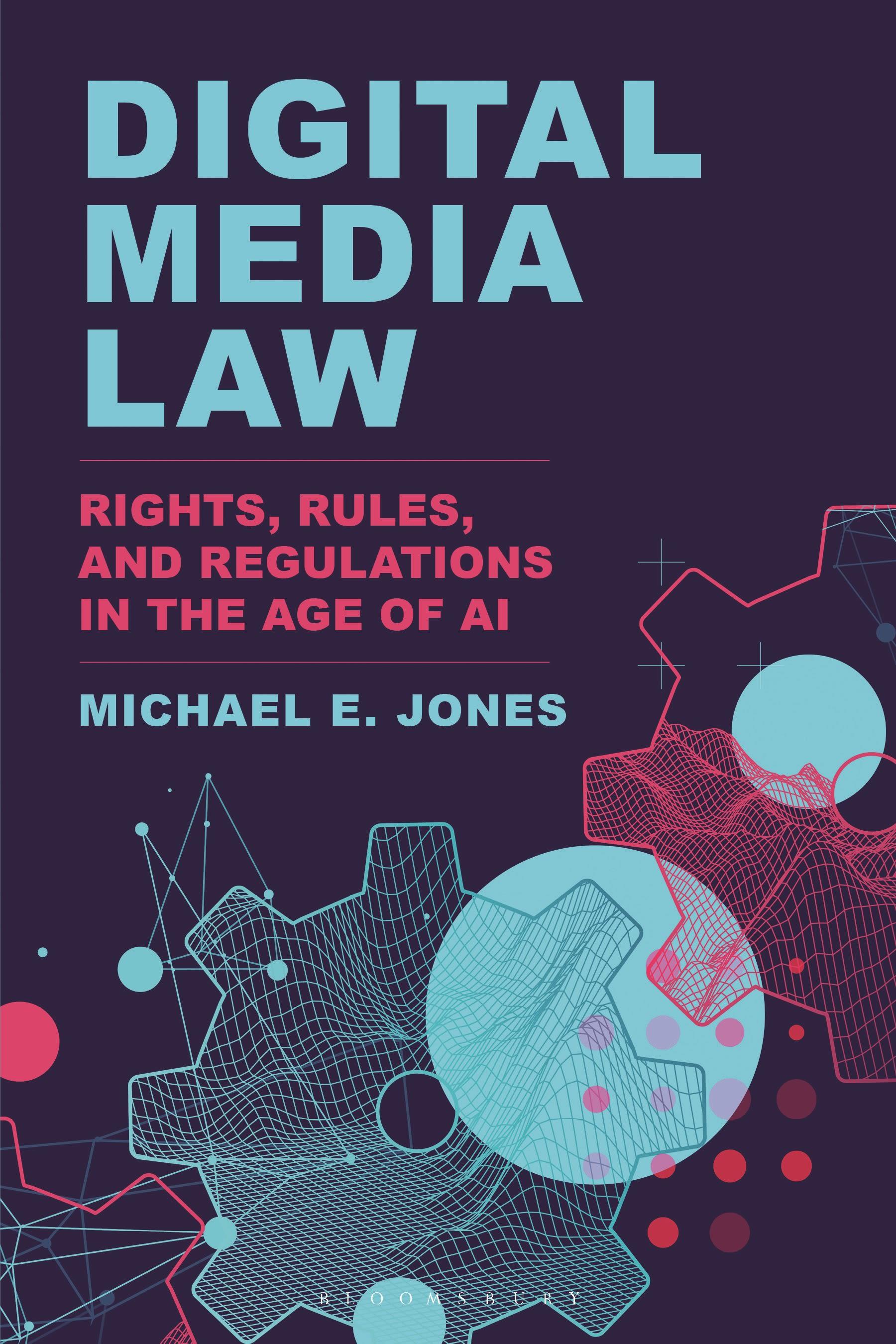
From privacy to piracy and free speech to fair use, the digital world has upended legal issues in media and communication. This textbook explores the evolving legal landscape where digital media and AI intersect, offering crucial insights into copyright, data privacy, ethics, and regulatory frameworks shaping the media industry's future.
Covering everything from foundational newsgathering rights to the constraints and protections shaping professional reporting, Digital Media Law addresses the complexities facing today's media in an era of rapid digital transformation.
Readers examine landmark cases, real-world examples, and critical debates that underscore the most pressing issues, including freedom of expression, AI-driven decision-making, privacy concerns, and the legal implications of emerging technologies like deepfakes. The book also delves into the significant ethical failures that have marred media and journalism in the past, offering lessons for today's professionals. As social media redefines the public square, this text examines the regulation of online speech, challenges to mental health, and global differences in speech regulation, highlighting the clash between U.S. free speech values and foreign controls.
The book sheds light on the dual role of digital technology in promoting transparency and enhancing audience engagement while presenting new ethical challenges for decision-making. With thematic chapters on First Amendment rights, defamation, copyright and trademarks, and Section 230 of the Community Decency Act, Digital Media Law is structured for both academic and practical use, making it ideal for students, journalists, legal professionals, and media enthusiasts interested in the legal intricacies of the digital age.
Covering everything from foundational newsgathering rights to the constraints and protections shaping professional reporting, Digital Media Law addresses the complexities facing today's media in an era of rapid digital transformation.
Readers examine landmark cases, real-world examples, and critical debates that underscore the most pressing issues, including freedom of expression, AI-driven decision-making, privacy concerns, and the legal implications of emerging technologies like deepfakes. The book also delves into the significant ethical failures that have marred media and journalism in the past, offering lessons for today's professionals. As social media redefines the public square, this text examines the regulation of online speech, challenges to mental health, and global differences in speech regulation, highlighting the clash between U.S. free speech values and foreign controls.
The book sheds light on the dual role of digital technology in promoting transparency and enhancing audience engagement while presenting new ethical challenges for decision-making. With thematic chapters on First Amendment rights, defamation, copyright and trademarks, and Section 230 of the Community Decency Act, Digital Media Law is structured for both academic and practical use, making it ideal for students, journalists, legal professionals, and media enthusiasts interested in the legal intricacies of the digital age.
Payez facilement par carte, Klarna, Apple Pay ou Google Pay. Pas satisfait ? Vous avez toujours une garantie de remboursement de 14 jours. En savoir plus dans nos conditions. Si vous avez des questions, envoyez-nous un e-mail à hello@memmo.org.
Memmo facilite tes études, où que tu sois dans le monde. On rassemble tes manuels de cours et des outils d'étude intelligents au même endroit : résumés, quiz, podcasts et flashcards. Et il y a Ted, ton compagnon d'étude qui répond à toutes tes questions. Plus de 50 000 étudiants étudient déjà ici – conçu pour t'aider à apprendre plus vite et à moins stresser.