
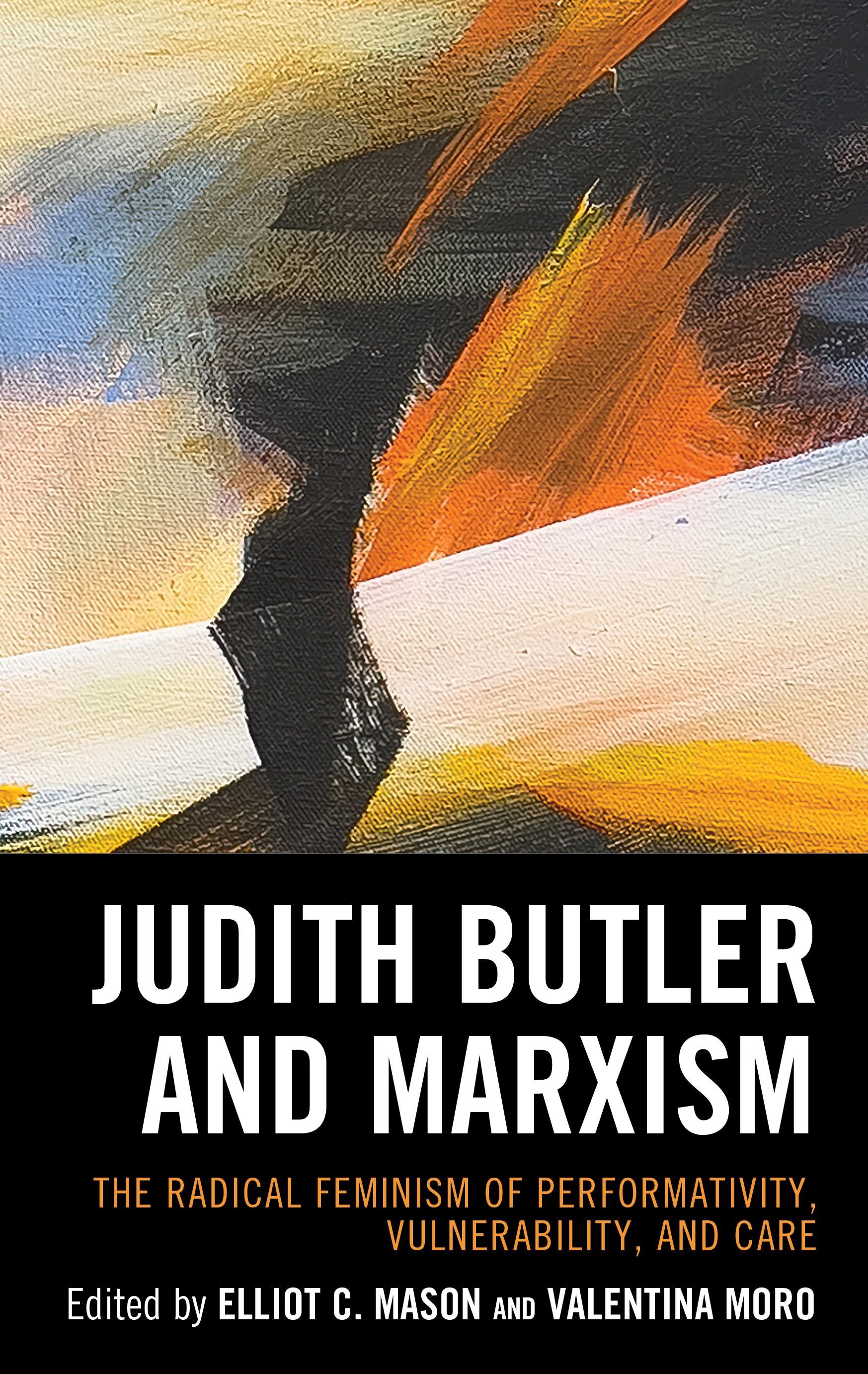
This is the first book to fully study the contentious link between the vastly influential projects of Judith Butler and Marxism.
What would a Butlerian Marxism look like? Marxist criticisms of Butler range from careful comparisons of forms to the total dismissal of an unpolitical, merely cultural anarchy. None of these criticisms, however, focuses on what seems to most closely unite these two projects: the universal abolition of the universal. While Marxist communism is focused on the abolition of value and property, Butler is consistently concerned throughout their corpus with the abolition of the subject as the universal form of social relations, an abolition staged by way of a relational ontology and ethics. Their methodologies for achieving abolition, however, vary hugely. Butler's sees the performativity of subjects and power as an opportunity for differential assembly, Marxists are primarily concerned with the working class as a revolutionary vanguard that withdraws its labor from production.
This book explores the possibility of a Butlerian Marxism, understood as abolitionist performativity, differential vulnerability, and generalized practices of care. The essays in this volume attempt to actualize the antagonistic persistence of social particulars, pursuing the abolition of the domination and violence that pervade society with increasing brutality. The three sections of this volumeare structured according to three pivotal political concepts in Butler's corpus: performativity, vulnerability, and care. Each essay contributes to a possible mutual development of Butler's and Marxism's concern with assembly, interdependence, and refusal, forming a revolutionary politics of care.
What would a Butlerian Marxism look like? Marxist criticisms of Butler range from careful comparisons of forms to the total dismissal of an unpolitical, merely cultural anarchy. None of these criticisms, however, focuses on what seems to most closely unite these two projects: the universal abolition of the universal. While Marxist communism is focused on the abolition of value and property, Butler is consistently concerned throughout their corpus with the abolition of the subject as the universal form of social relations, an abolition staged by way of a relational ontology and ethics. Their methodologies for achieving abolition, however, vary hugely. Butler's sees the performativity of subjects and power as an opportunity for differential assembly, Marxists are primarily concerned with the working class as a revolutionary vanguard that withdraws its labor from production.
This book explores the possibility of a Butlerian Marxism, understood as abolitionist performativity, differential vulnerability, and generalized practices of care. The essays in this volume attempt to actualize the antagonistic persistence of social particulars, pursuing the abolition of the domination and violence that pervade society with increasing brutality. The three sections of this volumeare structured according to three pivotal political concepts in Butler's corpus: performativity, vulnerability, and care. Each essay contributes to a possible mutual development of Butler's and Marxism's concern with assembly, interdependence, and refusal, forming a revolutionary politics of care.
Pages: 232
Catégorie: Kultur-, Genus- & Postkoloniala studier
e-ISBN: 9781538196281
Poids d'expédition: 1.2 kg
Expédié sous: 1-2 jours
Payez facilement par carte, Klarna, Apple Pay ou Google Pay. Pas satisfait ? Vous avez toujours une garantie de remboursement de 14 jours. En savoir plus dans nos conditions. Si vous avez des questions, envoyez-nous un e-mail à hello@memmo.org.
Memmo facilite tes études, où que tu sois dans le monde. On rassemble tes manuels de cours et des outils d'étude intelligents au même endroit : résumés, quiz, podcasts et flashcards. Et il y a Ted, ton compagnon d'étude qui répond à toutes tes questions. Plus de 50 000 étudiants étudient déjà ici – conçu pour t'aider à apprendre plus vite et à moins stresser.