
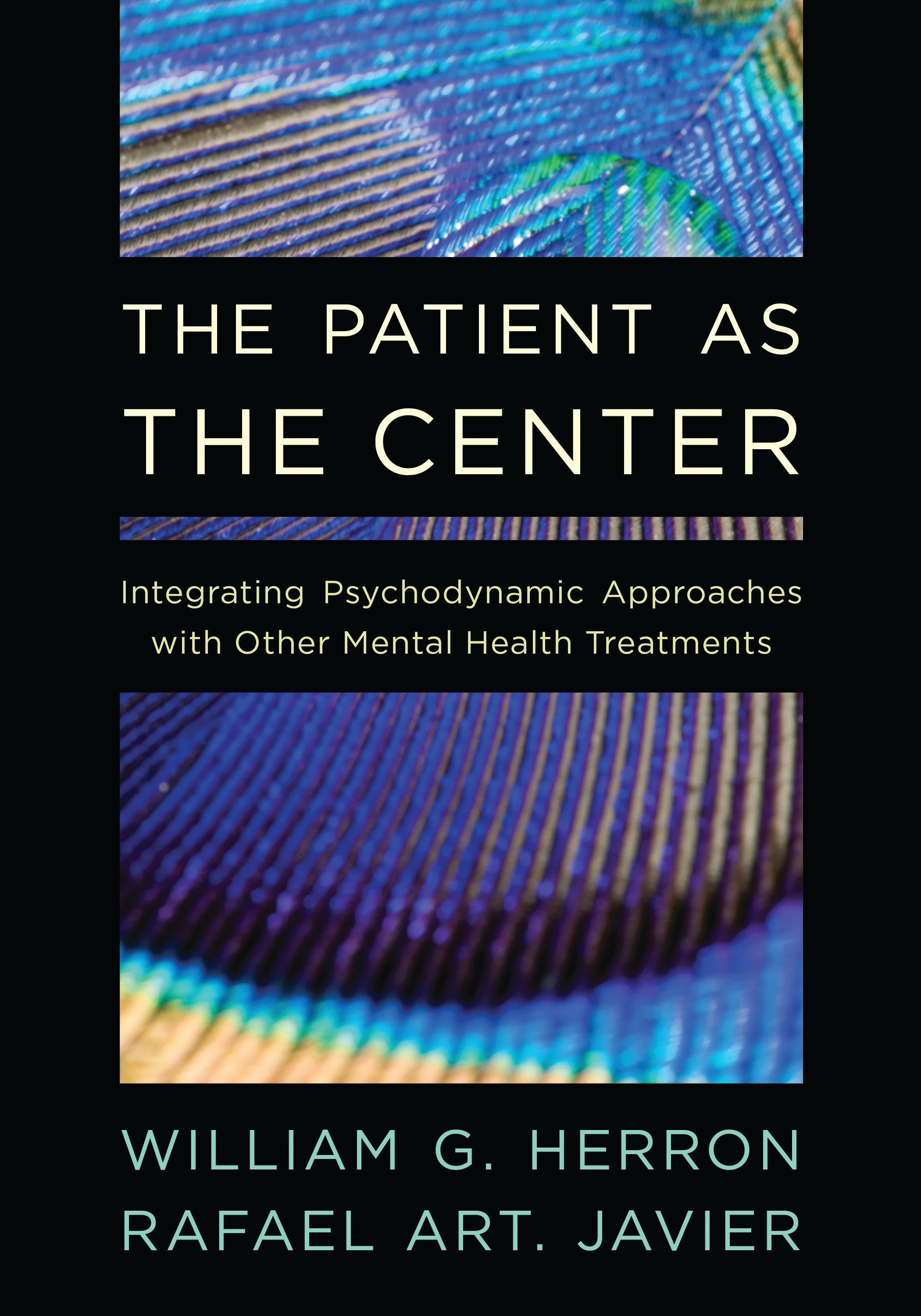
This practical guide shows practicing psychotherapists and other helping professionals how to make the healing benefits of psychodynamic “talk therapy” available to any client, including those limited in available sessions by insurance, financial restrictions, or agency policy.
The current mental health system relies on a single model of medication and behavior therapies, motivated by economic expediency rather than treatment quality, which results in a revolving door of treatment that leaves society constantly vulnerable to the impact of mental illness. As a remedy, The Patient as the Center: Integrating Psychodynamic Approaches with Other Mental Health Treatments offers the integration of psychoanalytic and behavioral therapies and practices that are consistently evaluated for effectiveness and customized to each patient’s needs. These requirements include recognition of the complexity of mental illness, possible need for intervention throughout the life cycle, open access to treatment, adequate funding, long-term facilities, consistent retrofitting of treatments, and duration and frequency determined by patient-therapist arrangement. After a careful examination of various therapeutic models and extant research data, the authors highlight the pervasive lack of integrative consideration of issues of multisectionality and multiple identities in clinical conceptualization and practice, while providing ample clinical examples of how such an integration can be accomplished. This resource is particularly useful for clinicians in training or early in their careers who are in the process of making decisions about the treatment approaches that make sense for them and their clients, as well as for the more seasoned clinicians jaded by bureaucracy that obstructs best treatment practice and who are seeking alternative approaches.
The current mental health system relies on a single model of medication and behavior therapies, motivated by economic expediency rather than treatment quality, which results in a revolving door of treatment that leaves society constantly vulnerable to the impact of mental illness. As a remedy, The Patient as the Center: Integrating Psychodynamic Approaches with Other Mental Health Treatments offers the integration of psychoanalytic and behavioral therapies and practices that are consistently evaluated for effectiveness and customized to each patient’s needs. These requirements include recognition of the complexity of mental illness, possible need for intervention throughout the life cycle, open access to treatment, adequate funding, long-term facilities, consistent retrofitting of treatments, and duration and frequency determined by patient-therapist arrangement. After a careful examination of various therapeutic models and extant research data, the authors highlight the pervasive lack of integrative consideration of issues of multisectionality and multiple identities in clinical conceptualization and practice, while providing ample clinical examples of how such an integration can be accomplished. This resource is particularly useful for clinicians in training or early in their careers who are in the process of making decisions about the treatment approaches that make sense for them and their clients, as well as for the more seasoned clinicians jaded by bureaucracy that obstructs best treatment practice and who are seeking alternative approaches.
Pages: 200
Catégorie: Medicin & Omvårdnad
e-ISBN: 9781538163283
Poids d'expédition: 1.2 kg
Expédié sous: 1-2 jours
Payez facilement par carte, Klarna, Apple Pay ou Google Pay. Pas satisfait ? Vous avez toujours une garantie de remboursement de 14 jours. En savoir plus dans nos conditions. Si vous avez des questions, envoyez-nous un e-mail à hello@memmo.org.
Memmo facilite tes études, où que tu sois dans le monde. On rassemble tes manuels de cours et des outils d'étude intelligents au même endroit : résumés, quiz, podcasts et flashcards. Et il y a Ted, ton compagnon d'étude qui répond à toutes tes questions. Plus de 50 000 étudiants étudient déjà ici – conçu pour t'aider à apprendre plus vite et à moins stresser.