
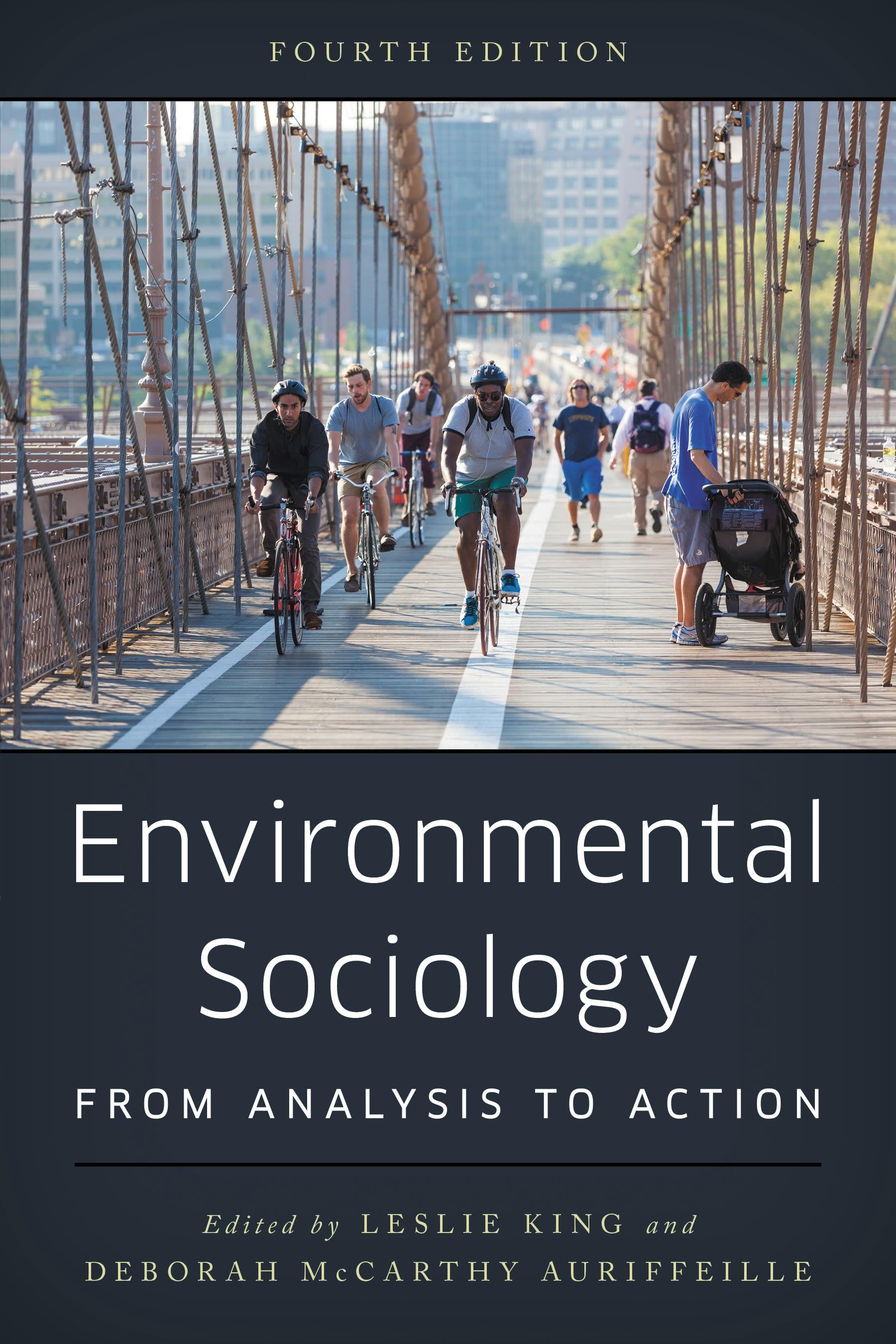
Environmental Sociology: From Analysis to Action illustrates how sociological perspectives can help us better understand the causes and consequences of environmental problems and provides examples of efforts to ameliorate these problems. The fourth edition of this environmental sociology reader includes 22 edited excerpts (10 of them new to this edition) that address, among other things, environmental inequalities, knowledge creation, media, and perspectives on disaster. The selected pieces use a variety of sociological perspectives, including environmental justice, power structure research, ecological modernization, ecological footprint, and more, to examine a wide range of environment-related topics.
New Readings Include:
Chapter 7. The Du Bois Nexus: Intersectionality, Political Economy, and Environmental Injustice in the Peruvian Guano Trade in the 1800s.
Brett Clark, Daniel Auerbach and Karen Xuan Zhang
Chapter 8. Ruin’s Progeny: Race, Environment, and Appalachia’s Coal Camp Blacks.
Karia L. Brown, Michael W. Murphy and Appollonya M. Porcelli
Chapter 9. Environmental Apartheid: Eco-health and Rural Marginalization in South Africa
Valerie Stull, Michael M. Bell and Mpumelelo Ncwadi
Chapter 12. Legitimating the Environmental Injustices of War: Toxic Exposures and Media Silence in Iraq and Afghanistan.
Eric Bonds
Chapter 15. Left to Chance: Hurricane Katrina and the Story of Two New Orleans Neighborhoods
Stever Kroll-Smith, Vern Baxter and Pam Jenkins
Chapter 17. Environmental Threats and Political Opportunities: Citizen Activism in the North Bohemian Coal Basin
Thomas E. Shriver, Alison E. Adams, and Stefano B. Longo
Chapter 19. Ontologies of Sustainability in Ecovillage Culture: Integrating Ecology, Economics, Community, and Consciousness
Karen Liftin
Chapter 20. Plans for pavement or for people? The Politics of Bike Lanes on the ‘Paseo Boricua’ in Chicago, Illinois
Amy Lubitow, Bryan Zinschlag, and Nathan Rochester
Chapter 21. Campus Alternative Food Projects and Food Service Realities: Alternative Strategies
Peggy F. Barlett
Chapter 22. From the New Ecological Paradigm to Total Liberation: The Emergence of a Social Movement Frame
David N. Pellow and Hollie Nyseth Brehm
New Readings Include:
Chapter 7. The Du Bois Nexus: Intersectionality, Political Economy, and Environmental Injustice in the Peruvian Guano Trade in the 1800s.
Brett Clark, Daniel Auerbach and Karen Xuan Zhang
Chapter 8. Ruin’s Progeny: Race, Environment, and Appalachia’s Coal Camp Blacks.
Karia L. Brown, Michael W. Murphy and Appollonya M. Porcelli
Chapter 9. Environmental Apartheid: Eco-health and Rural Marginalization in South Africa
Valerie Stull, Michael M. Bell and Mpumelelo Ncwadi
Chapter 12. Legitimating the Environmental Injustices of War: Toxic Exposures and Media Silence in Iraq and Afghanistan.
Eric Bonds
Chapter 15. Left to Chance: Hurricane Katrina and the Story of Two New Orleans Neighborhoods
Stever Kroll-Smith, Vern Baxter and Pam Jenkins
Chapter 17. Environmental Threats and Political Opportunities: Citizen Activism in the North Bohemian Coal Basin
Thomas E. Shriver, Alison E. Adams, and Stefano B. Longo
Chapter 19. Ontologies of Sustainability in Ecovillage Culture: Integrating Ecology, Economics, Community, and Consciousness
Karen Liftin
Chapter 20. Plans for pavement or for people? The Politics of Bike Lanes on the ‘Paseo Boricua’ in Chicago, Illinois
Amy Lubitow, Bryan Zinschlag, and Nathan Rochester
Chapter 21. Campus Alternative Food Projects and Food Service Realities: Alternative Strategies
Peggy F. Barlett
Chapter 22. From the New Ecological Paradigm to Total Liberation: The Emergence of a Social Movement Frame
David N. Pellow and Hollie Nyseth Brehm
Payez facilement par carte, Klarna, Apple Pay ou Google Pay. Pas satisfait ? Vous avez toujours une garantie de remboursement de 14 jours. En savoir plus dans nos conditions. Si vous avez des questions, envoyez-nous un e-mail à hello@memmo.org.
Memmo facilite tes études, où que tu sois dans le monde. On rassemble tes manuels de cours et des outils d'étude intelligents au même endroit : résumés, quiz, podcasts et flashcards. Et il y a Ted, ton compagnon d'étude qui répond à toutes tes questions. Plus de 50 000 étudiants étudient déjà ici – conçu pour t'aider à apprendre plus vite et à moins stresser.