
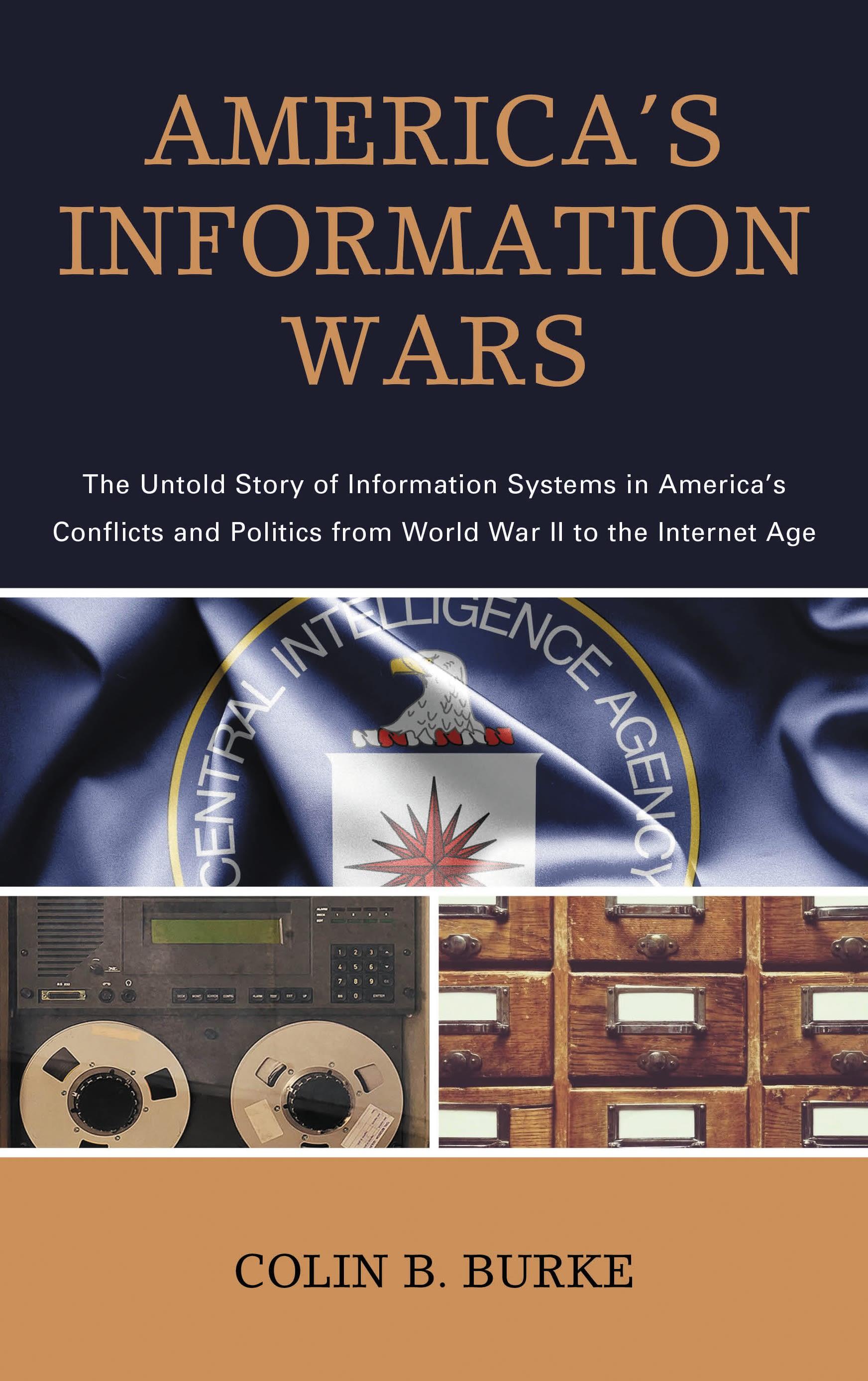
This book narrates the development of science, sci/tech, and intelligence information systems and technologies in the United States from the beginning of World War II to the second decade of our century. The story ranges from a description of the information systems and machines of the 1940s created at Wild Bill Donovan’s predecessors of the Central Intelligence Agency, to the rise of a huge international science information industry, and to the 1990’s Open Access-Open Culture reformers’ reactions to the commercialization of science information. Necessarily, there is much about the people, cultures, and politics that shaped the methods, systems, machines and protests. The reason for that is simple: The histories of technologies and methods are human histories. Science information’s many lives were shaped by idiosyncrasies and chance, as well as by social, economic, political and technical ‘forces’.
The varied motives, personalities and beliefs of unique and extraordinary people fashioned science information’s past. The important players ranged from a gentleman scholar who led the Office of Strategic Services’ information work, to an ill-fated Hollywood movie director, to life-mavericks like the science information legend Eugene Garfield, to international financial wheeler-dealers such as Robert Maxwell, and to youthful ultra-liberal ideologically-driven Silicon Valley internet millionaires. However, although there are no determining laws of information history, social, political, legal and economic factors were important. After 1940, science information’s tools and policies, as well as America’s universities, were being molded by the nation’s wealth, its role in international affairs, the stand-off between left and right politics, and by the intensifying conflict between Soviet and Western interests.
The varied motives, personalities and beliefs of unique and extraordinary people fashioned science information’s past. The important players ranged from a gentleman scholar who led the Office of Strategic Services’ information work, to an ill-fated Hollywood movie director, to life-mavericks like the science information legend Eugene Garfield, to international financial wheeler-dealers such as Robert Maxwell, and to youthful ultra-liberal ideologically-driven Silicon Valley internet millionaires. However, although there are no determining laws of information history, social, political, legal and economic factors were important. After 1940, science information’s tools and policies, as well as America’s universities, were being molded by the nation’s wealth, its role in international affairs, the stand-off between left and right politics, and by the intensifying conflict between Soviet and Western interests.
Payez facilement par carte, Klarna, Apple Pay ou Google Pay. Pas satisfait ? Vous avez toujours une garantie de remboursement de 14 jours. En savoir plus dans nos conditions. Si vous avez des questions, envoyez-nous un e-mail à hello@memmo.org.
Memmo facilite tes études, où que tu sois dans le monde. On rassemble tes manuels de cours et des outils d'étude intelligents au même endroit : résumés, quiz, podcasts et flashcards. Et il y a Ted, ton compagnon d'étude qui répond à toutes tes questions. Plus de 50 000 étudiants étudient déjà ici – conçu pour t'aider à apprendre plus vite et à moins stresser.