
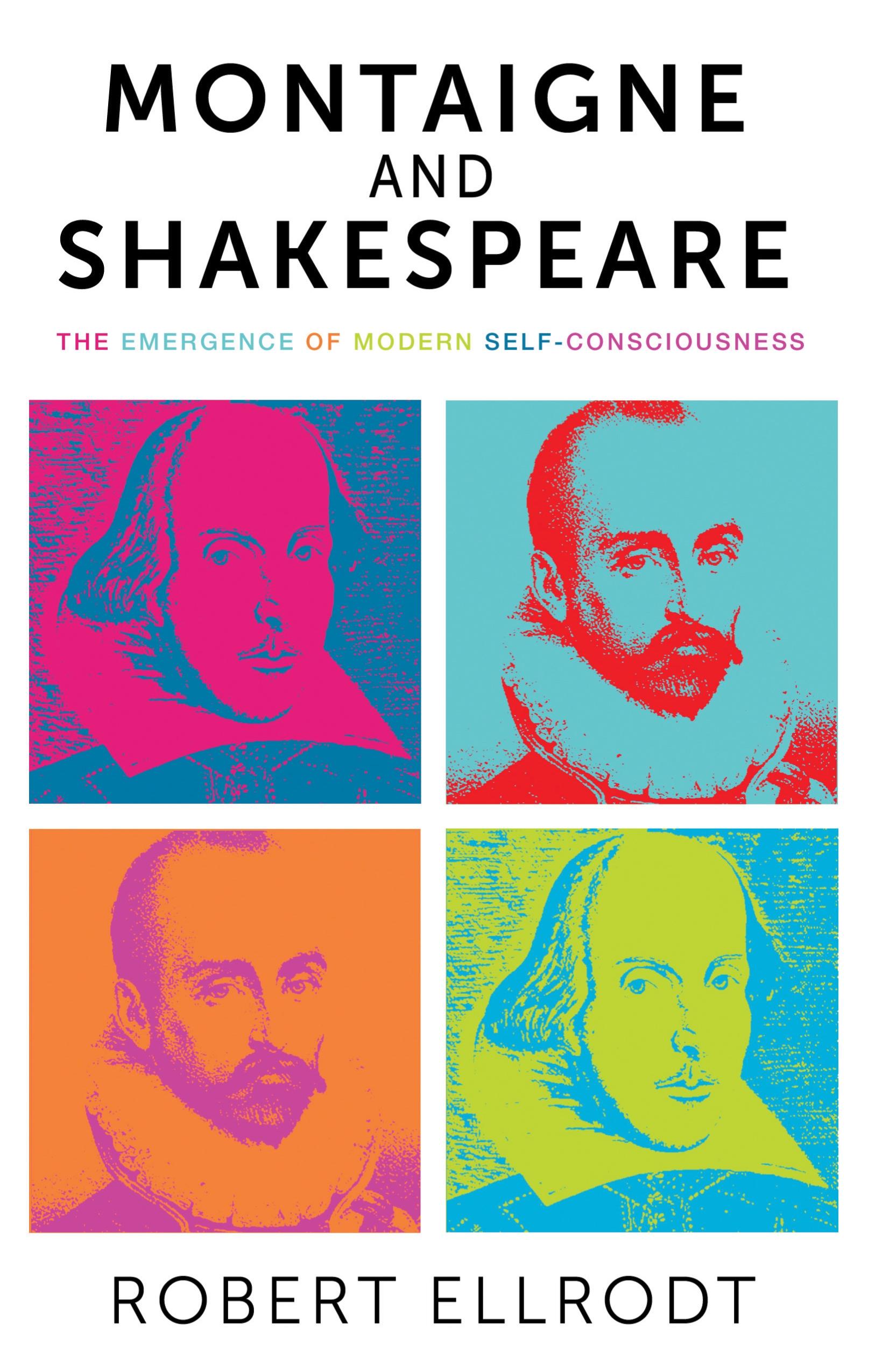
This book is not merely a study of Shakespeare’s debt to Montaigne. It traces the evolution of self-consciousness in literary, philosophical and religious writings from antiquity to the Renaissance and demonstrates that its early modern forms first appeared in the Essays and in Shakespearean drama. It shows, however, that, contrary to some postmodern assumptions, the early calling in question of the self did not lead to a negation of identity. Montaigne acknowledged the fairly stable nature of his personality and Shakespeare, as Dryden noted, maintained 'the constant conformity of each character to itself from its very first setting out in the Play quite to the End'.
A similar evolution is traced in the progress from an objective to a subjective apprehension of time from Greek philosophy to early modern authors. A final chapter shows that the influence of scepticism on Montaigne and Shakespeare was counterbalanced by their reliance on permanent humanistic values.
Payez facilement par carte, Klarna, Apple Pay ou Google Pay. Pas satisfait ? Vous avez toujours une garantie de remboursement de 14 jours. En savoir plus dans nos conditions. Si vous avez des questions, envoyez-nous un e-mail à hello@memmo.org.
Memmo facilite tes études, où que tu sois dans le monde. On rassemble tes manuels de cours et des outils d'étude intelligents au même endroit : résumés, quiz, podcasts et flashcards. Et il y a Ted, ton compagnon d'étude qui répond à toutes tes questions. Plus de 50 000 étudiants étudient déjà ici – conçu pour t'aider à apprendre plus vite et à moins stresser.