
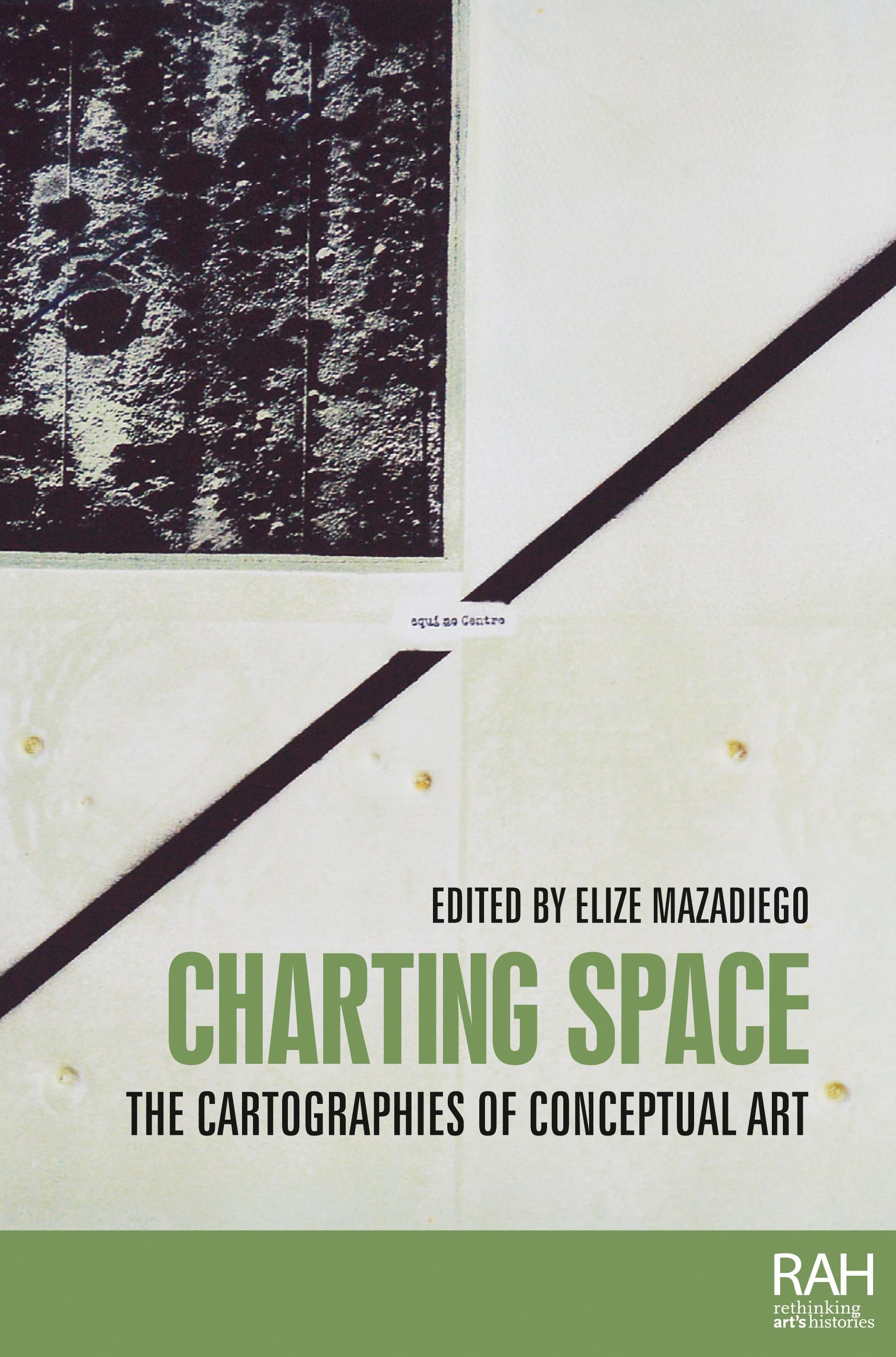
By the late 1960s cartographic formats and spatial information had become a regular feature in many conceptual artworks. This volume offers a rich study of conceptualisms’ mapping practices that includes more expanded forms of spatial representation.
The book presents twelve in-depth case studies that address artists’ engagement with matters of space at a time when space was garnering new significance in art, theory and culture. The chapters shed fresh light on an evident ‘spatial turn’ that took place from the postwar to the contemporary period, revealing how it was influenced by larger historical, social and cultural contexts.
In addition to raising questions about conceptualism’s relationship to the world, the contributors illustrate how artists’ cartographies served as critical sites for formulating their politics, upsetting prevailing systems and graphing new, heterogenous spaces.
Payez facilement par carte, Klarna, Apple Pay ou Google Pay. Pas satisfait ? Vous avez toujours une garantie de remboursement de 14 jours. En savoir plus dans nos conditions. Si vous avez des questions, envoyez-nous un e-mail à hello@memmo.org.
Memmo facilite tes études, où que tu sois dans le monde. On rassemble tes manuels de cours et des outils d'étude intelligents au même endroit : résumés, quiz, podcasts et flashcards. Et il y a Ted, ton compagnon d'étude qui répond à toutes tes questions. Plus de 50 000 étudiants étudient déjà ici – conçu pour t'aider à apprendre plus vite et à moins stresser.