
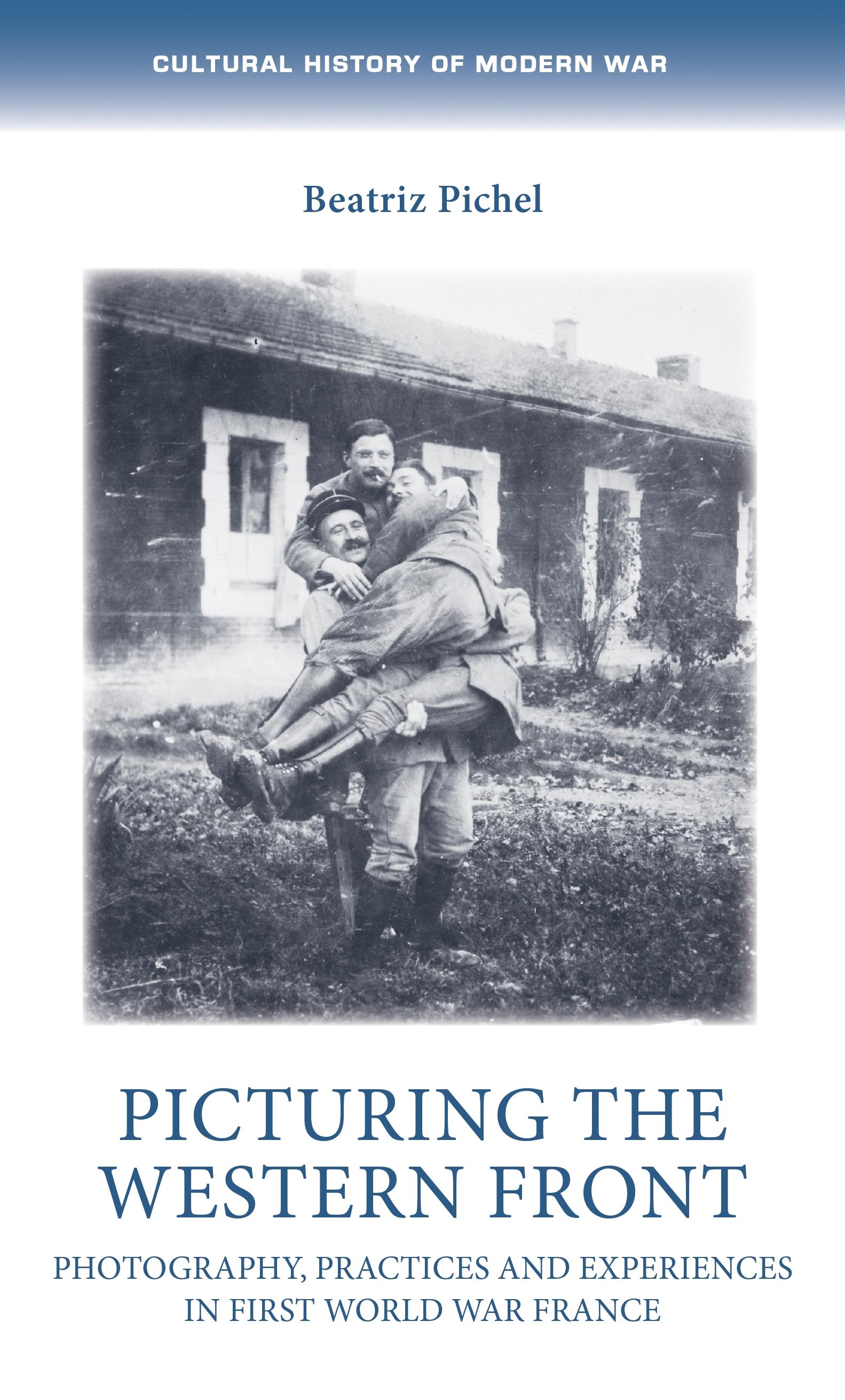
Between 1914 and 1918, military, press and amateur photographers produced thousands of pictures. Either classified in military archives specially created with this purpose in 1915, collected in personal albums or circulated in illustrated magazines, photographs were supposed to tell the story of the war. Picturing the Western Front argues that photographic practices also shaped combatants and civilians’ war experiences. Doing photography (taking pictures, posing for them, exhibiting, cataloguing and looking at them) allowed combatants and civilians to make sense of what they were living through. Photography mattered because it enabled combatants and civilians to record events, establish or reinforce bonds with one another, represent bodies, place people and events in imaginative geographies and making things visible, while making others, such as suicide, invisible. Photographic practices became, thus, frames of experience.
Payez facilement par carte, Klarna, Apple Pay ou Google Pay. Pas satisfait ? Vous avez toujours une garantie de remboursement de 14 jours. En savoir plus dans nos conditions. Si vous avez des questions, envoyez-nous un e-mail à hello@memmo.org.
Memmo facilite tes études, où que tu sois dans le monde. On rassemble tes manuels de cours et des outils d'étude intelligents au même endroit : résumés, quiz, podcasts et flashcards. Et il y a Ted, ton compagnon d'étude qui répond à toutes tes questions. Plus de 50 000 étudiants étudient déjà ici – conçu pour t'aider à apprendre plus vite et à moins stresser.
Tu pourrais aussi aimer
Acheter le livre0