
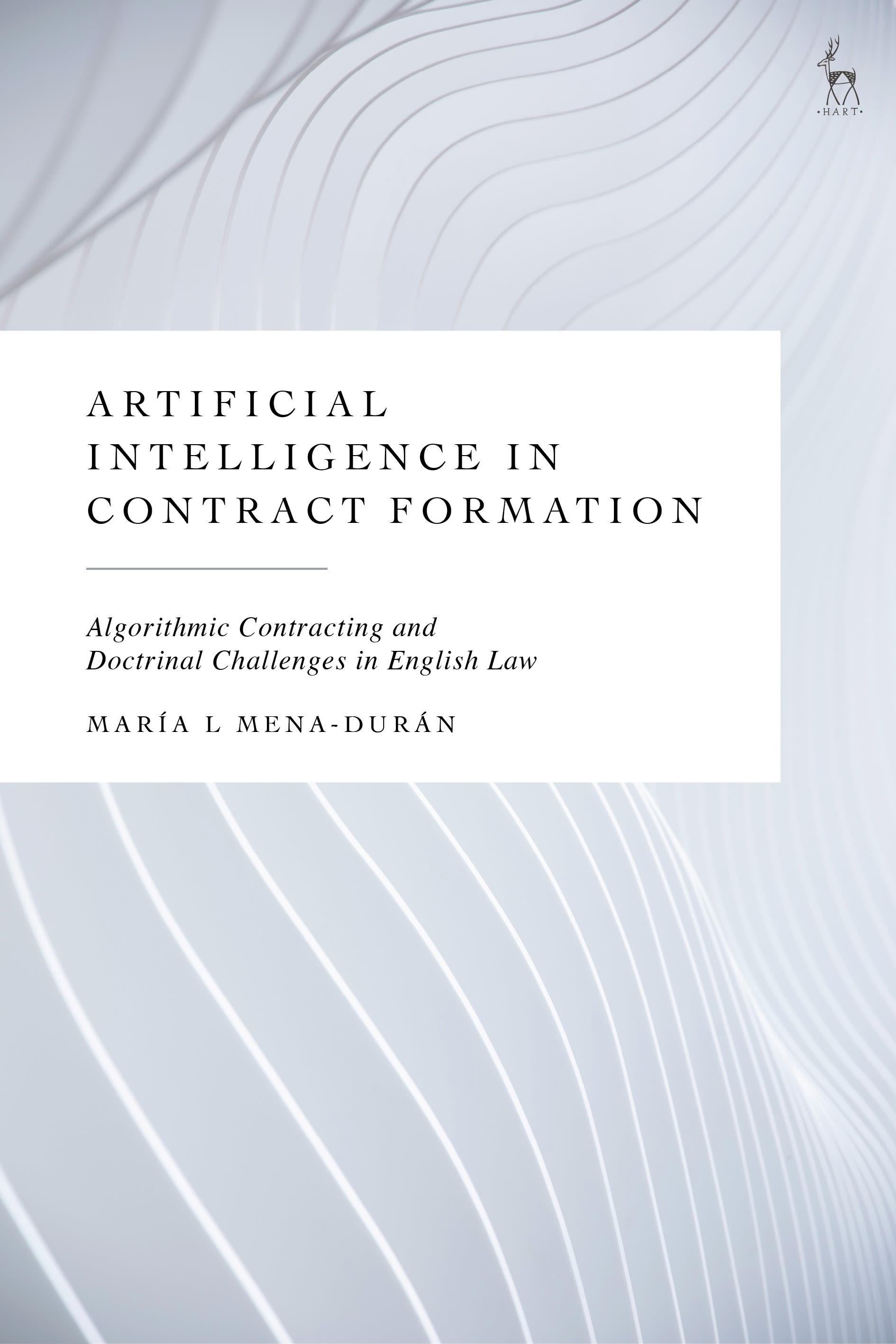
This book explores how artificial intelligence is reshaping the foundations of contract formation under English contract law.
As AI systems take on critical roles in forming agreements, traditional legal principles rooted in human decision-making are being challenged. The book introduces the concept of the “meeting of the algorithms” as a modern alternative to the conventional “meeting of the minds,” emphasising how AI-driven contracts differ from human-based ones.
Focusing on algorithmic contracting where both parties operate AI systems-particularly those based on machine learning-the book challenges the adequacy of traditional legal doctrines and terminology. It provides a structured analysis of the legal, conceptual, and doctrinal challenges raised by contracts formed without human intervention at the point of agreement.
The book proposes a new legal framework that accommodates algorithmic systems as communication and decision-making tools. It redefines consent, examines the attribution of knowledge and intention, and identifies the legal moment of formation in automated contracting environments. It shows how AI-driven contracting is forcing contract law to evolve without relying on fictional agency constructs or debates around legal personhood.
Artificial Intelligence in Contract Formation will appeal to researchers of contract law, technology law, and private law theory, as well as legal practitioners interested in AI governance and legal innovation. It contributes to ongoing debates on AI and law, and offers a roadmap for integrating algorithmic transactions into the mainstream of contract doctrine.
As AI systems take on critical roles in forming agreements, traditional legal principles rooted in human decision-making are being challenged. The book introduces the concept of the “meeting of the algorithms” as a modern alternative to the conventional “meeting of the minds,” emphasising how AI-driven contracts differ from human-based ones.
Focusing on algorithmic contracting where both parties operate AI systems-particularly those based on machine learning-the book challenges the adequacy of traditional legal doctrines and terminology. It provides a structured analysis of the legal, conceptual, and doctrinal challenges raised by contracts formed without human intervention at the point of agreement.
The book proposes a new legal framework that accommodates algorithmic systems as communication and decision-making tools. It redefines consent, examines the attribution of knowledge and intention, and identifies the legal moment of formation in automated contracting environments. It shows how AI-driven contracting is forcing contract law to evolve without relying on fictional agency constructs or debates around legal personhood.
Artificial Intelligence in Contract Formation will appeal to researchers of contract law, technology law, and private law theory, as well as legal practitioners interested in AI governance and legal innovation. It contributes to ongoing debates on AI and law, and offers a roadmap for integrating algorithmic transactions into the mainstream of contract doctrine.
Payez facilement par carte, Klarna, Apple Pay ou Google Pay. Pas satisfait ? Vous avez toujours une garantie de remboursement de 14 jours. En savoir plus dans nos conditions. Si vous avez des questions, envoyez-nous un e-mail à hello@memmo.org.
Memmo facilite tes études, où que tu sois dans le monde. On rassemble tes manuels de cours et des outils d'étude intelligents au même endroit : résumés, quiz, podcasts et flashcards. Et il y a Ted, ton compagnon d'étude qui répond à toutes tes questions. Plus de 50 000 étudiants étudient déjà ici – conçu pour t'aider à apprendre plus vite et à moins stresser.