
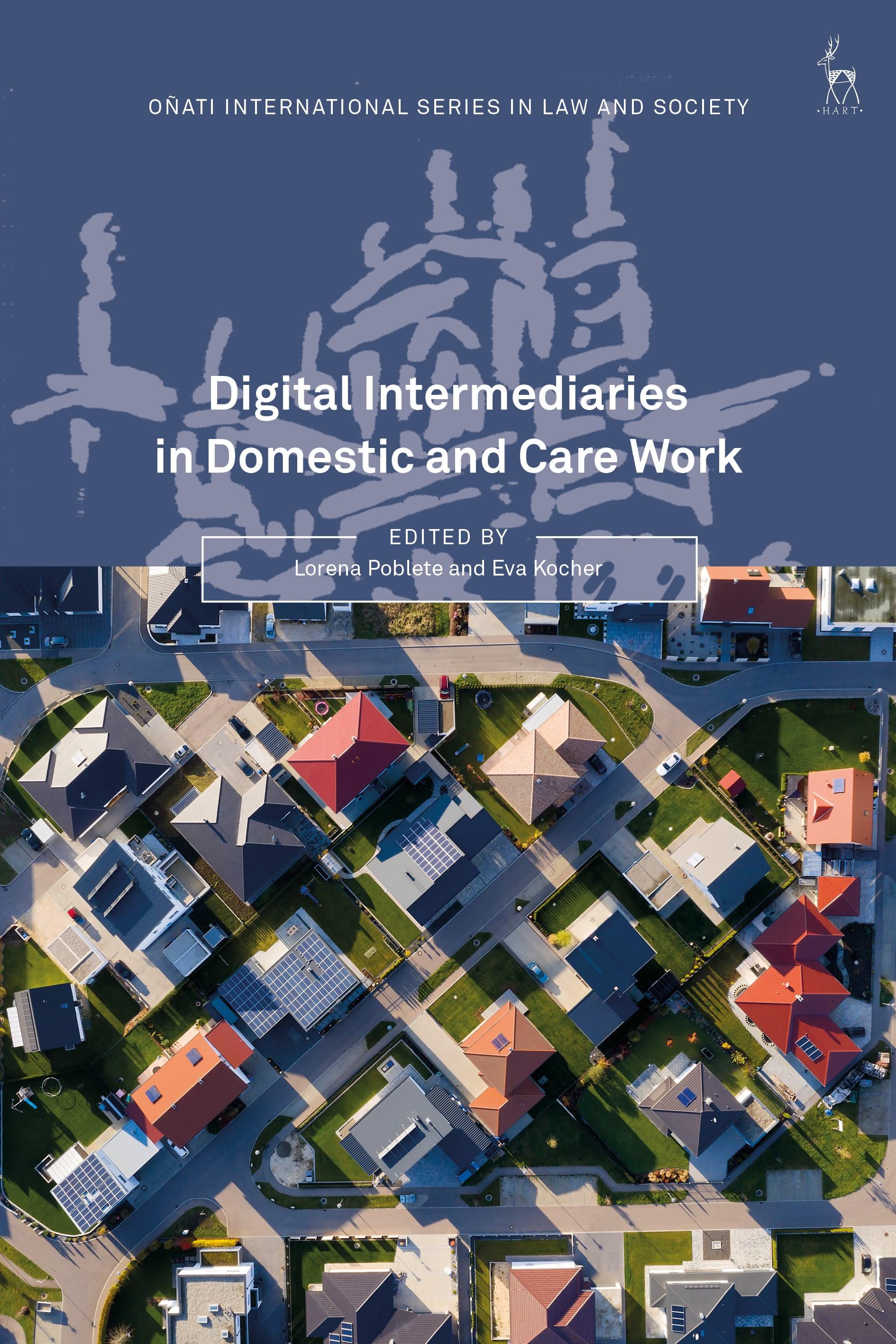
This edited collection unravels the multiple ways in which digital intermediaries have transformed the domestic and care work sector – and what this development entails for the regulation of digital labour platforms.
Domestic and care work is work like any other – but also work like no other. As a consequence, digital intermediaries in these sectors fulfil partly different functions than other digital labour platforms. Taking a comparative and interdisciplinary socio-legal approach, the book is organised into four parts. The first section describes the different business models used in various geographical areas and analyses the ways in which digital intermediaries reshape these markets. The second section examines how digital intermediaries adapt their structures and organisations to regulatory and institutional frameworks, while also exploiting regulatory gaps and grey zones. The third part of the book highlights the experiences of domestic workers who develop novel forms of platform cooperatives with the potential for better working conditions and a stronger voice. The fourth part of the books looks at the legal and regulatory challenges, discussing the challenge of classifying digital intermediation in care and domestic work not only in relation to employment/self-employment, but also in relation to the third party in the triangular relationship: the private household. The book analyses cases from South and Central Europe, Southeast Europe, the UK, South Africa and Latin America; its interdisciplinary approach, with sociological, anthropological and legal perspectives make the book an important reference in this emerging field of study.
Domestic and care work is work like any other – but also work like no other. As a consequence, digital intermediaries in these sectors fulfil partly different functions than other digital labour platforms. Taking a comparative and interdisciplinary socio-legal approach, the book is organised into four parts. The first section describes the different business models used in various geographical areas and analyses the ways in which digital intermediaries reshape these markets. The second section examines how digital intermediaries adapt their structures and organisations to regulatory and institutional frameworks, while also exploiting regulatory gaps and grey zones. The third part of the book highlights the experiences of domestic workers who develop novel forms of platform cooperatives with the potential for better working conditions and a stronger voice. The fourth part of the books looks at the legal and regulatory challenges, discussing the challenge of classifying digital intermediation in care and domestic work not only in relation to employment/self-employment, but also in relation to the third party in the triangular relationship: the private household. The book analyses cases from South and Central Europe, Southeast Europe, the UK, South Africa and Latin America; its interdisciplinary approach, with sociological, anthropological and legal perspectives make the book an important reference in this emerging field of study.
Pages: 296
Catégorie: Samhällsvetenskap
e-ISBN: 9781509990863
Poids d'expédition: 1.2 kg
Expédié sous: 1-2 jours
Payez facilement par carte, Klarna, Apple Pay ou Google Pay. Pas satisfait ? Vous avez toujours une garantie de remboursement de 14 jours. En savoir plus dans nos conditions. Si vous avez des questions, envoyez-nous un e-mail à hello@memmo.org.
Memmo facilite tes études, où que tu sois dans le monde. On rassemble tes manuels de cours et des outils d'étude intelligents au même endroit : résumés, quiz, podcasts et flashcards. Et il y a Ted, ton compagnon d'étude qui répond à toutes tes questions. Plus de 50 000 étudiants étudient déjà ici – conçu pour t'aider à apprendre plus vite et à moins stresser.