
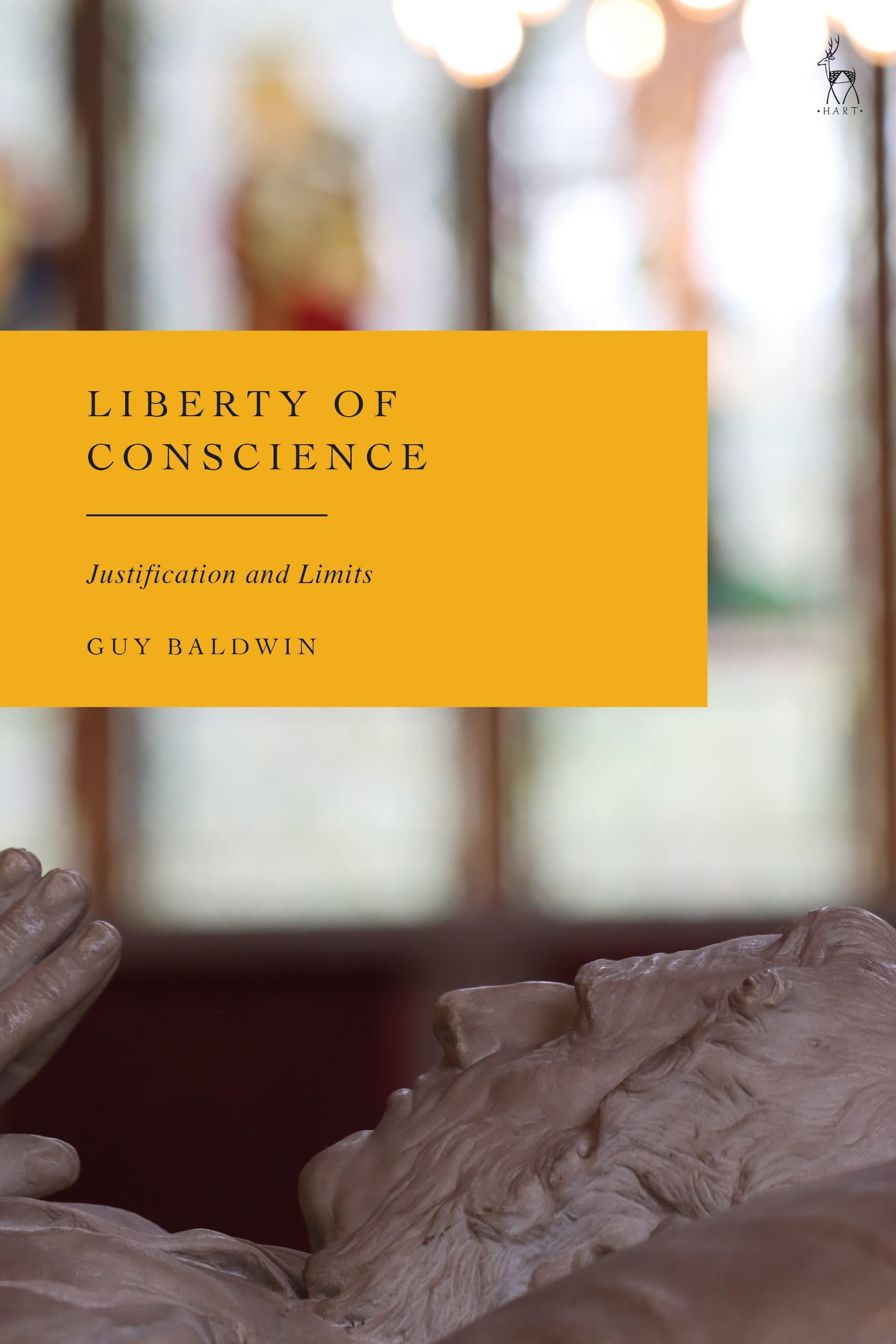
This book sets out a novel account of the conceptual foundations of liberty of conscience based on John Rawls's concept of moral personality.
Liberty of conscience (often called religious freedom) is a notoriously broad right. As understood in many legal systems, it can extend to virtually any action or inaction, ranging from dietary choices to objections to military service, and potentially provide protection against the application of a state's laws in respect of that action or inaction. To understand the proper limits of this right, it is necessary to inquire into its conceptual foundations.
The book shows that protection of liberty of conscience is warranted because of its importance to the exercise and development of the two moral powers of individuals that comprise their moral personality: the power to judge right and justice, and the power to form and pursue a conception of the good. However, some possible limitations for the right relating to the rights of others and the common interest flow from this rationale.
Utilising this theoretical account, the book analyses two case studies at the limits of religious freedom in the law of the UK and USA: pandemic lockdown restrictions on religious gatherings, and non-discrimination laws in their application to same-sex couples.
Liberty of conscience (often called religious freedom) is a notoriously broad right. As understood in many legal systems, it can extend to virtually any action or inaction, ranging from dietary choices to objections to military service, and potentially provide protection against the application of a state's laws in respect of that action or inaction. To understand the proper limits of this right, it is necessary to inquire into its conceptual foundations.
The book shows that protection of liberty of conscience is warranted because of its importance to the exercise and development of the two moral powers of individuals that comprise their moral personality: the power to judge right and justice, and the power to form and pursue a conception of the good. However, some possible limitations for the right relating to the rights of others and the common interest flow from this rationale.
Utilising this theoretical account, the book analyses two case studies at the limits of religious freedom in the law of the UK and USA: pandemic lockdown restrictions on religious gatherings, and non-discrimination laws in their application to same-sex couples.
Payez facilement par carte, Klarna, Apple Pay ou Google Pay. Pas satisfait ? Vous avez toujours une garantie de remboursement de 14 jours. En savoir plus dans nos conditions. Si vous avez des questions, envoyez-nous un e-mail à hello@memmo.org.
Memmo facilite tes études, où que tu sois dans le monde. On rassemble tes manuels de cours et des outils d'étude intelligents au même endroit : résumés, quiz, podcasts et flashcards. Et il y a Ted, ton compagnon d'étude qui répond à toutes tes questions. Plus de 50 000 étudiants étudient déjà ici – conçu pour t'aider à apprendre plus vite et à moins stresser.