
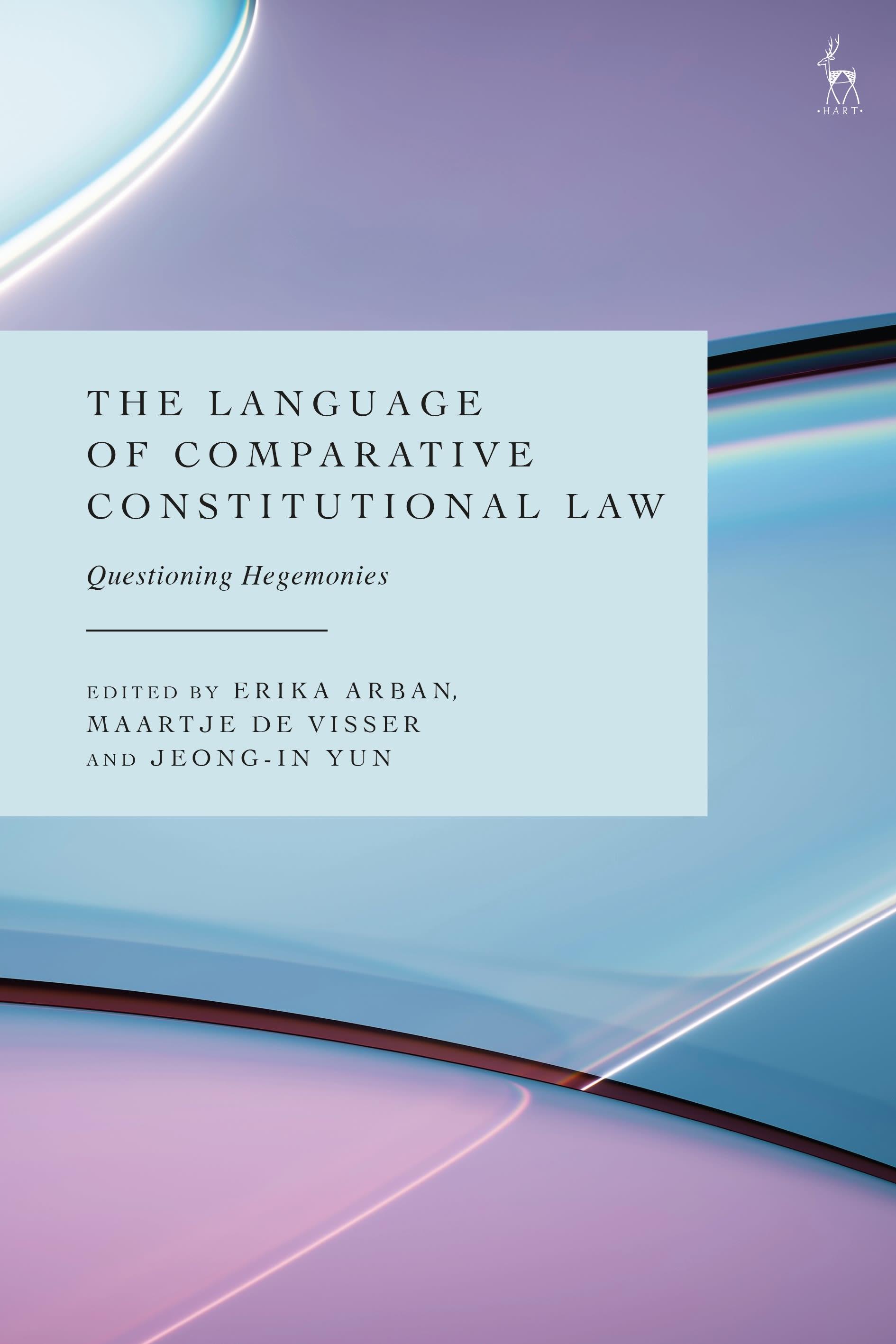
This volume is the first in-depth collection to explore the impact of language on the field of comparative constitutional law.
It addresses the epistemological and conceptual implications of English as the lingua franca. In this regard, it considers the global influence of Anglophone jurisdictions in orienting the discourse through the identification of concepts, designs and ideas that warrant engagement and exploration outside of those origin jurisdictions. In doing so, the book underscores that language is not a neutral device but can produce hegemonic pressures and expectations. It further makes the role of language in conducting comparative constitutional law explicit, so that its users can be more deliberate in their selection of foreign materials and are made conscious of the limitations of their findings due to language barriers.
The book calls for a reckoning with the rich constitutional vocabulary that non-Anglophone jurisdictions have to offer to ensure a more holistic approach to the creation of knowledge. It also emphasises the need for the contextualised study of constitutional phenomena to appreciate how these are shaped by linguistic choices. In addition to raising awareness about language's significance as an epistemological, conceptual and methodological device, the volume also puts forward constructive tools and techniques to harness language's potential, making it an indispensable resource for scholars, students, lawmakers and judges.
It addresses the epistemological and conceptual implications of English as the lingua franca. In this regard, it considers the global influence of Anglophone jurisdictions in orienting the discourse through the identification of concepts, designs and ideas that warrant engagement and exploration outside of those origin jurisdictions. In doing so, the book underscores that language is not a neutral device but can produce hegemonic pressures and expectations. It further makes the role of language in conducting comparative constitutional law explicit, so that its users can be more deliberate in their selection of foreign materials and are made conscious of the limitations of their findings due to language barriers.
The book calls for a reckoning with the rich constitutional vocabulary that non-Anglophone jurisdictions have to offer to ensure a more holistic approach to the creation of knowledge. It also emphasises the need for the contextualised study of constitutional phenomena to appreciate how these are shaped by linguistic choices. In addition to raising awareness about language's significance as an epistemological, conceptual and methodological device, the volume also puts forward constructive tools and techniques to harness language's potential, making it an indispensable resource for scholars, students, lawmakers and judges.
Payez facilement par carte, Klarna, Apple Pay ou Google Pay. Pas satisfait ? Vous avez toujours une garantie de remboursement de 14 jours. En savoir plus dans nos conditions. Si vous avez des questions, envoyez-nous un e-mail à hello@memmo.org.
Memmo facilite tes études, où que tu sois dans le monde. On rassemble tes manuels de cours et des outils d'étude intelligents au même endroit : résumés, quiz, podcasts et flashcards. Et il y a Ted, ton compagnon d'étude qui répond à toutes tes questions. Plus de 50 000 étudiants étudient déjà ici – conçu pour t'aider à apprendre plus vite et à moins stresser.