
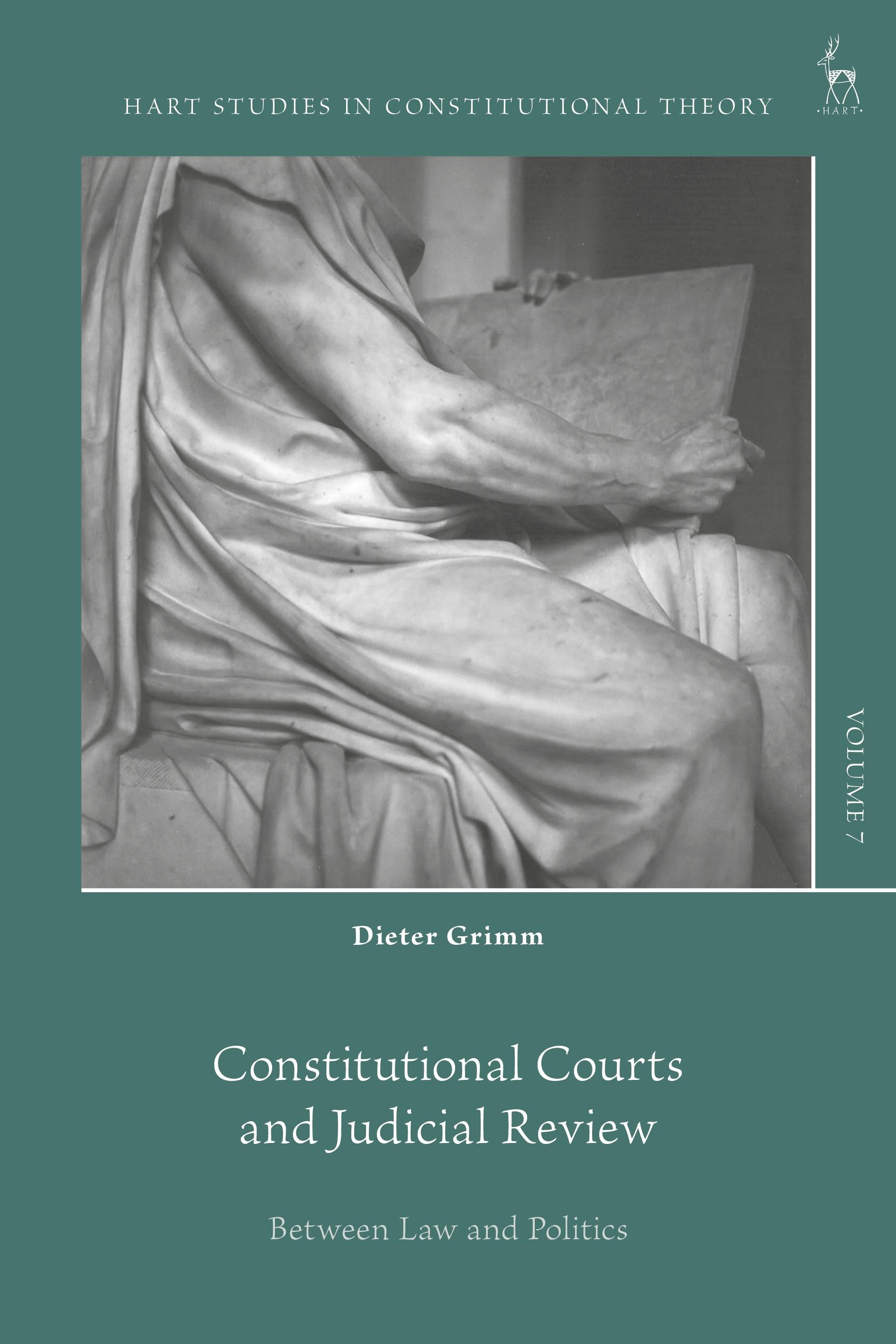
This collection of essays from Dieter Grimm, Germany's most renowned constitutional scholar, shines a light on the jurisprudence of the German Constitutional Court and constitutional adjudication in general.
Established in 1951, the court has become a blueprint for new courts ever since and its jurisprudence, particularly in the field of fundamental rights, has influenced the decisions of judges throughout the world.
After the seismic constitutional changes of the years 1989–90 in Germany and beyond, many countries adopted new democratic constitutions and established constitutional courts in order to make their constitutions effective. Today, many of these courts are under attack both politically and intellectually.
In this book, Grimm considers some of the fundamental questions under academic scrutiny today: are constitutional courts political or legal institutions? Is judicial review a political or a legal activity? Is it a threat to, or a condition, of democracy? Should these courts be abolished or strengthened? Is a rational interpretation of constitutional law possible?
The essays provide answers to these questions and describe how constitutional courts work if they properly fulfill their function of enforcing the constitution. A special emphasis is put on the importance of constitutional interpretation: something, the author argues, that most critics of constitutional adjudication neglect.
Established in 1951, the court has become a blueprint for new courts ever since and its jurisprudence, particularly in the field of fundamental rights, has influenced the decisions of judges throughout the world.
After the seismic constitutional changes of the years 1989–90 in Germany and beyond, many countries adopted new democratic constitutions and established constitutional courts in order to make their constitutions effective. Today, many of these courts are under attack both politically and intellectually.
In this book, Grimm considers some of the fundamental questions under academic scrutiny today: are constitutional courts political or legal institutions? Is judicial review a political or a legal activity? Is it a threat to, or a condition, of democracy? Should these courts be abolished or strengthened? Is a rational interpretation of constitutional law possible?
The essays provide answers to these questions and describe how constitutional courts work if they properly fulfill their function of enforcing the constitution. A special emphasis is put on the importance of constitutional interpretation: something, the author argues, that most critics of constitutional adjudication neglect.
Payez facilement par carte, Klarna, Apple Pay ou Google Pay. Pas satisfait ? Vous avez toujours une garantie de remboursement de 14 jours. En savoir plus dans nos conditions. Si vous avez des questions, envoyez-nous un e-mail à hello@memmo.org.
Memmo facilite tes études, où que tu sois dans le monde. On rassemble tes manuels de cours et des outils d'étude intelligents au même endroit : résumés, quiz, podcasts et flashcards. Et il y a Ted, ton compagnon d'étude qui répond à toutes tes questions. Plus de 50 000 étudiants étudient déjà ici – conçu pour t'aider à apprendre plus vite et à moins stresser.