
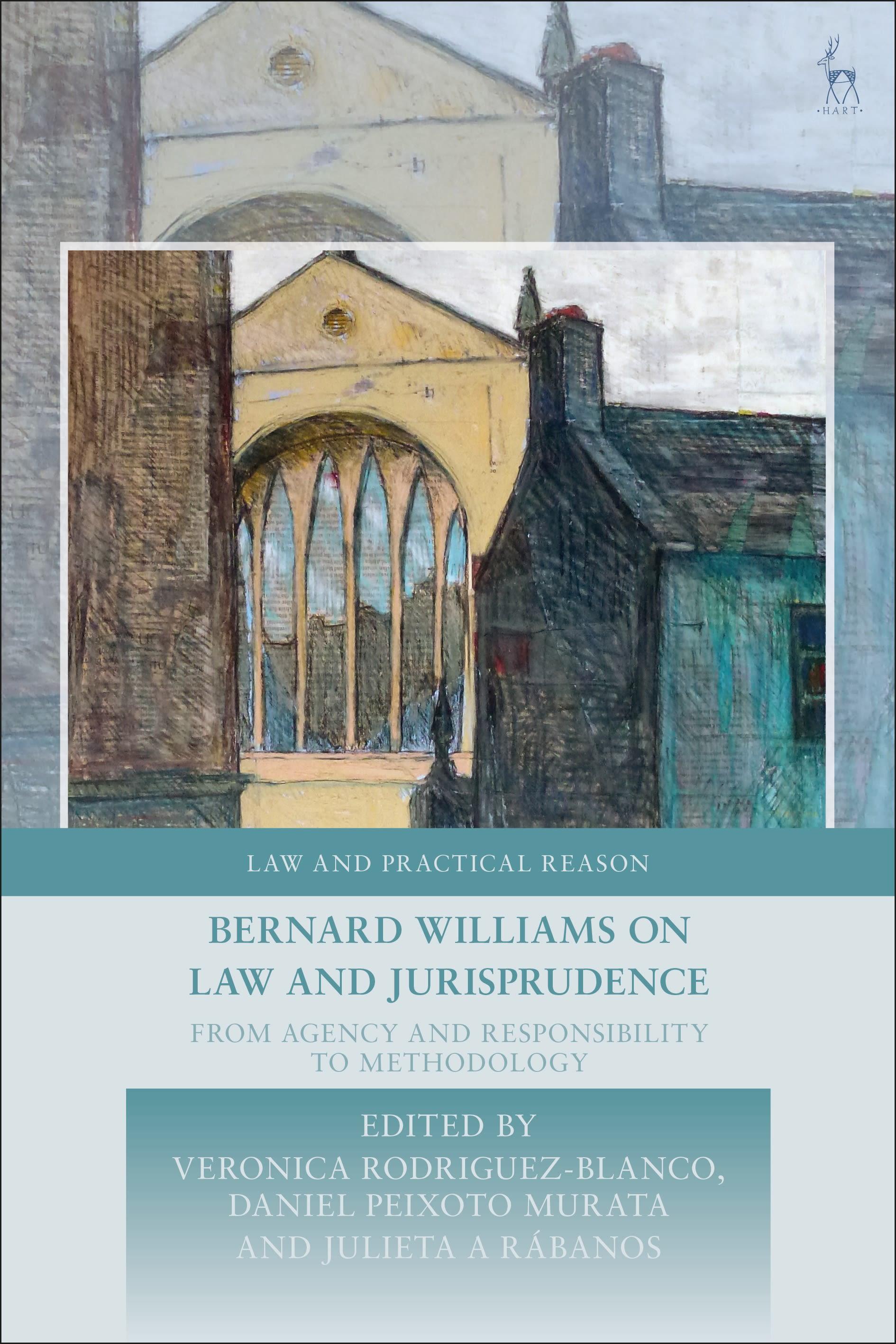
This book is the first collection of essays on Bernard Williams' moral and political philosophy to shed light on the nature of law, and key legal concepts.
By the time of his death in 2003, Williams was widely regarded as the most important moral philosopher of his generation. Surprisingly, his work is still largely under-discussed in legal theory. This book aims to fill this gap with brand new discussions from scholars both from law and philosophy.
The first part of the book focuses on Williams' work on responsibility and regret and its implications for law. Drawing from Ancient Greek authors, Williams maintained that luck might play a key role in our practices of responsibility and that some dimensions of responsibility are tied to the notion of having a character. What we do – intentionally or not – might affect our understanding of ourselves and of our place in the world. How do those ideas help us in making sense of legal responsibility? How broader concerns about our practices of responsibility impact the law? Those are some of the questions addressed by the authors in this part.
The second part looks at how Williams' understanding of philosophy can shape the way we do jurisprudence. Williams' work on the methodology of philosophy combines resources from analytical philosophy, continental authors, history, and literature. He understood philosophy as a humanistic discipline. The authors in the second part of the book draw from Williams' work, notably his innovative take on the genealogical method, to discuss how we could practice legal philosophy in this same spirit.
By the time of his death in 2003, Williams was widely regarded as the most important moral philosopher of his generation. Surprisingly, his work is still largely under-discussed in legal theory. This book aims to fill this gap with brand new discussions from scholars both from law and philosophy.
The first part of the book focuses on Williams' work on responsibility and regret and its implications for law. Drawing from Ancient Greek authors, Williams maintained that luck might play a key role in our practices of responsibility and that some dimensions of responsibility are tied to the notion of having a character. What we do – intentionally or not – might affect our understanding of ourselves and of our place in the world. How do those ideas help us in making sense of legal responsibility? How broader concerns about our practices of responsibility impact the law? Those are some of the questions addressed by the authors in this part.
The second part looks at how Williams' understanding of philosophy can shape the way we do jurisprudence. Williams' work on the methodology of philosophy combines resources from analytical philosophy, continental authors, history, and literature. He understood philosophy as a humanistic discipline. The authors in the second part of the book draw from Williams' work, notably his innovative take on the genealogical method, to discuss how we could practice legal philosophy in this same spirit.
Payez facilement par carte, Klarna, Apple Pay ou Google Pay. Pas satisfait ? Vous avez toujours une garantie de remboursement de 14 jours. En savoir plus dans nos conditions. Si vous avez des questions, envoyez-nous un e-mail à hello@memmo.org.
Memmo facilite tes études, où que tu sois dans le monde. On rassemble tes manuels de cours et des outils d'étude intelligents au même endroit : résumés, quiz, podcasts et flashcards. Et il y a Ted, ton compagnon d'étude qui répond à toutes tes questions. Plus de 50 000 étudiants étudient déjà ici – conçu pour t'aider à apprendre plus vite et à moins stresser.