
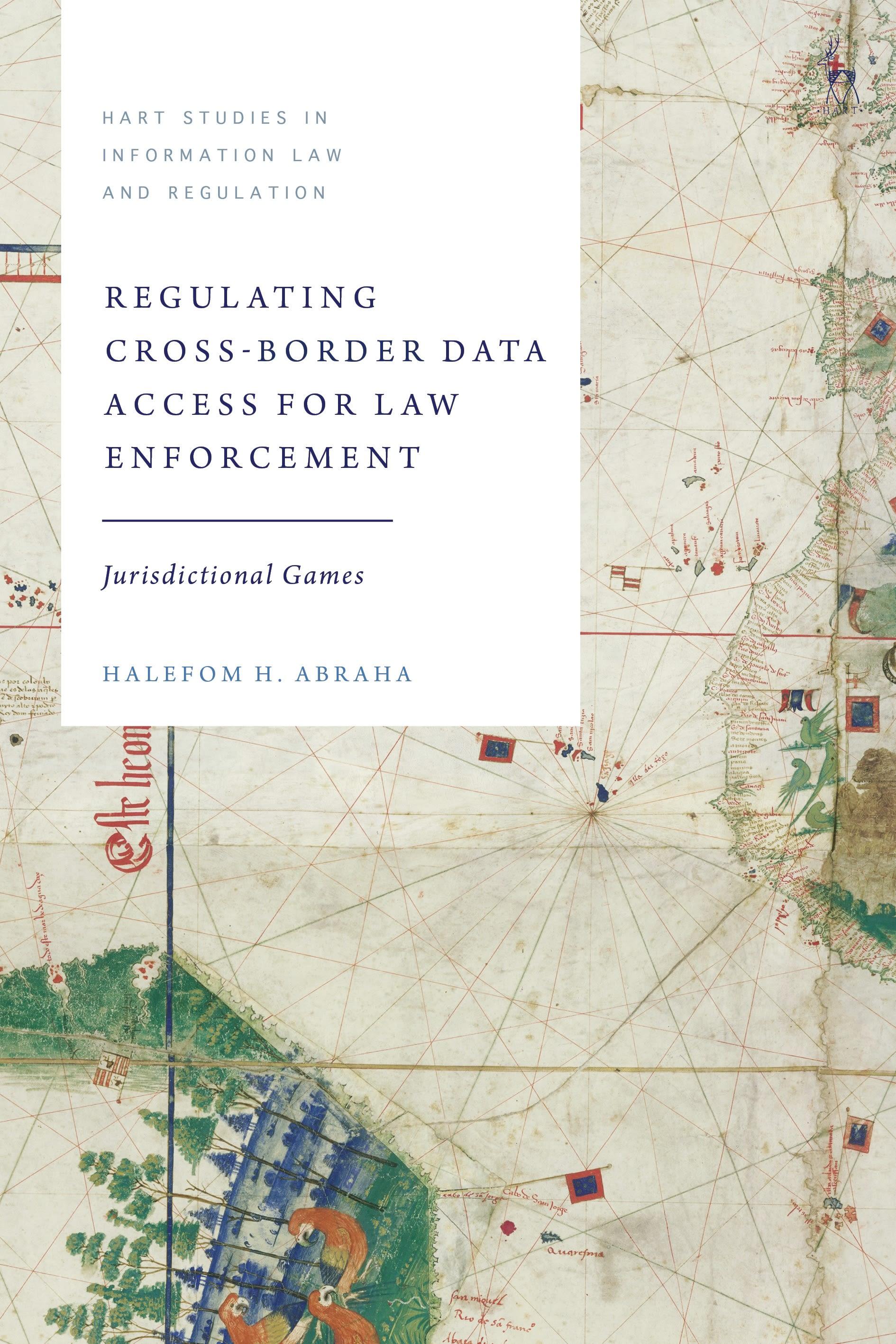
This book explores the legal, political, and practical challenges that governments face when investigating local crimes involving digital evidence held by global cloud service providers.
Criminal investigations increasingly require access to data held across borders. This gives rise to unique jurisdictional competitions and conflicts of law, as even exclusively domestic criminal investigations necessitate international cooperation when the relevant user data is stored abroad.
Traditional systems of cross-border legal cooperation were designed for the pre-internet era and are ill-suited to address these challenges. This has led to extensive calls for reform and the proliferation of new policy initiatives at national, regional, and international levels.
The book maps these emerging policy responses to cross-border data access problems and examines the extent to which they are fit for purpose. It then provides a framework to reconcile the practical necessities of law enforcement seeking digital evidence stored overseas with the territorial sovereignty of the countries hosting that data, the fundamental rights of individuals whose personal data is being sought, and the interests of technology companies whose cooperation is required.
It is an essential guide to understanding the different rules, safeguards and procedures that govern law enforcement access to data held by multinational technology companies, and key to future policy development and legal reform.
Criminal investigations increasingly require access to data held across borders. This gives rise to unique jurisdictional competitions and conflicts of law, as even exclusively domestic criminal investigations necessitate international cooperation when the relevant user data is stored abroad.
Traditional systems of cross-border legal cooperation were designed for the pre-internet era and are ill-suited to address these challenges. This has led to extensive calls for reform and the proliferation of new policy initiatives at national, regional, and international levels.
The book maps these emerging policy responses to cross-border data access problems and examines the extent to which they are fit for purpose. It then provides a framework to reconcile the practical necessities of law enforcement seeking digital evidence stored overseas with the territorial sovereignty of the countries hosting that data, the fundamental rights of individuals whose personal data is being sought, and the interests of technology companies whose cooperation is required.
It is an essential guide to understanding the different rules, safeguards and procedures that govern law enforcement access to data held by multinational technology companies, and key to future policy development and legal reform.
Payez facilement par carte, Klarna, Apple Pay ou Google Pay. Pas satisfait ? Vous avez toujours une garantie de remboursement de 14 jours. En savoir plus dans nos conditions. Si vous avez des questions, envoyez-nous un e-mail à hello@memmo.org.
Memmo facilite tes études, où que tu sois dans le monde. On rassemble tes manuels de cours et des outils d'étude intelligents au même endroit : résumés, quiz, podcasts et flashcards. Et il y a Ted, ton compagnon d'étude qui répond à toutes tes questions. Plus de 50 000 étudiants étudient déjà ici – conçu pour t'aider à apprendre plus vite et à moins stresser.