
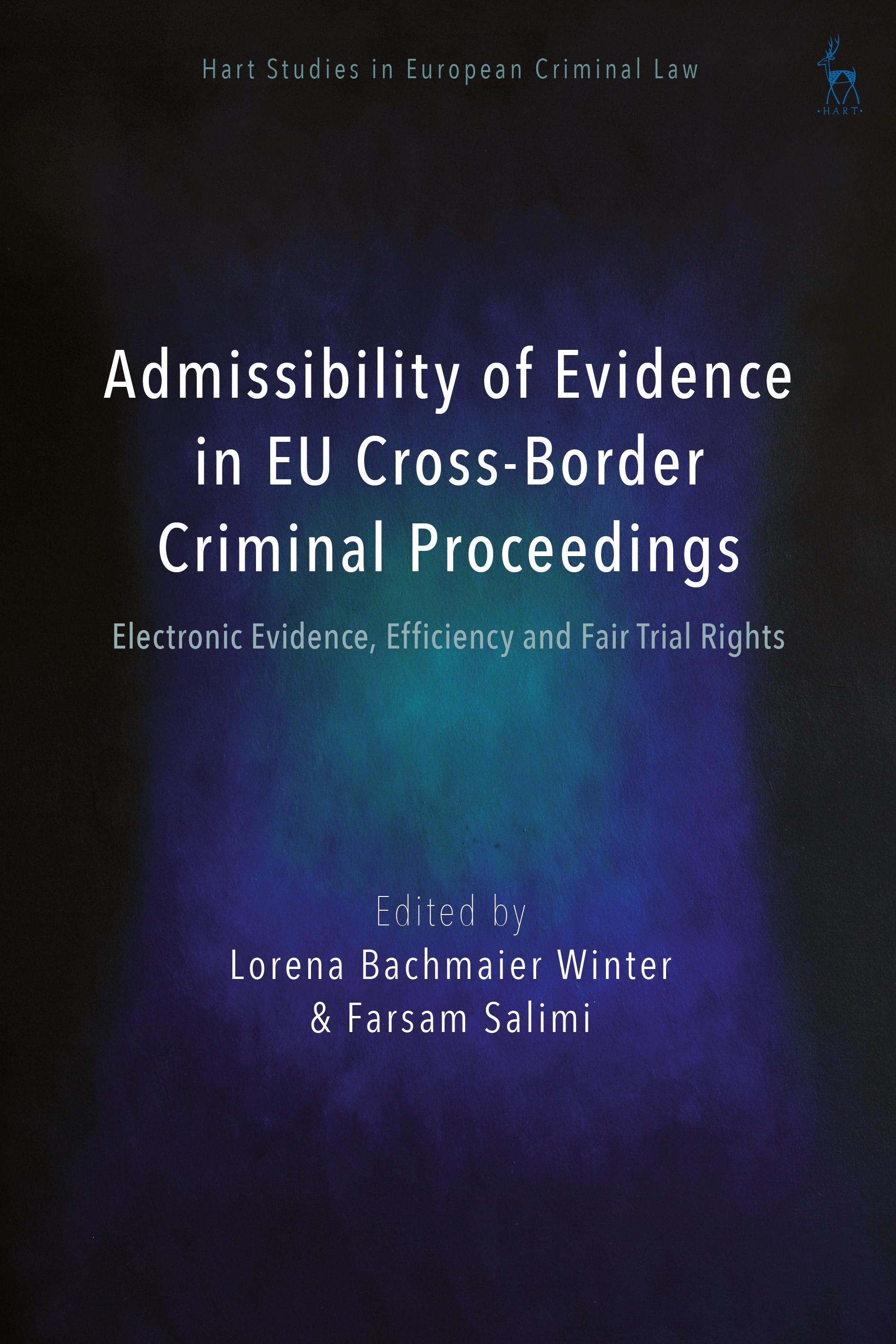
This book provides a systematic and analytical account of the problems facing transnational criminal justice.
It details actual problems arising in the transnational prosecution of crimes; assesses existing obstacles on admissibility of evidence; in particular with regard to electronic evidence, assesses the impact that the impediment of free circulation of evidence has on fundamental rights of the defendants facing criminal trial; and finally drafts a proposal for the future of regulation for this complex topic.
The book therefore contributes to the debate on the creation of an Area of Freedom, Security and Justice in the EU. It offers insights on how to outline the main general rules that could be adopted at EU level in a manner that adequately balances the need for efficiency in prosecution and the protection of human rights.
With contributions of renowned experts in the field, the book addresses the discussion of a potential legislative proposal with the help of insight into the experience and conceptual context of the rules of evidence at the national level. The legislative proposal was adopted by the European Law Institute, who supported the work reflected in this book.
It details actual problems arising in the transnational prosecution of crimes; assesses existing obstacles on admissibility of evidence; in particular with regard to electronic evidence, assesses the impact that the impediment of free circulation of evidence has on fundamental rights of the defendants facing criminal trial; and finally drafts a proposal for the future of regulation for this complex topic.
The book therefore contributes to the debate on the creation of an Area of Freedom, Security and Justice in the EU. It offers insights on how to outline the main general rules that could be adopted at EU level in a manner that adequately balances the need for efficiency in prosecution and the protection of human rights.
With contributions of renowned experts in the field, the book addresses the discussion of a potential legislative proposal with the help of insight into the experience and conceptual context of the rules of evidence at the national level. The legislative proposal was adopted by the European Law Institute, who supported the work reflected in this book.
Payez facilement par carte, Klarna, Apple Pay ou Google Pay. Pas satisfait ? Vous avez toujours une garantie de remboursement de 14 jours. En savoir plus dans nos conditions. Si vous avez des questions, envoyez-nous un e-mail à hello@memmo.org.
Memmo facilite tes études, où que tu sois dans le monde. On rassemble tes manuels de cours et des outils d'étude intelligents au même endroit : résumés, quiz, podcasts et flashcards. Et il y a Ted, ton compagnon d'étude qui répond à toutes tes questions. Plus de 50 000 étudiants étudient déjà ici – conçu pour t'aider à apprendre plus vite et à moins stresser.