
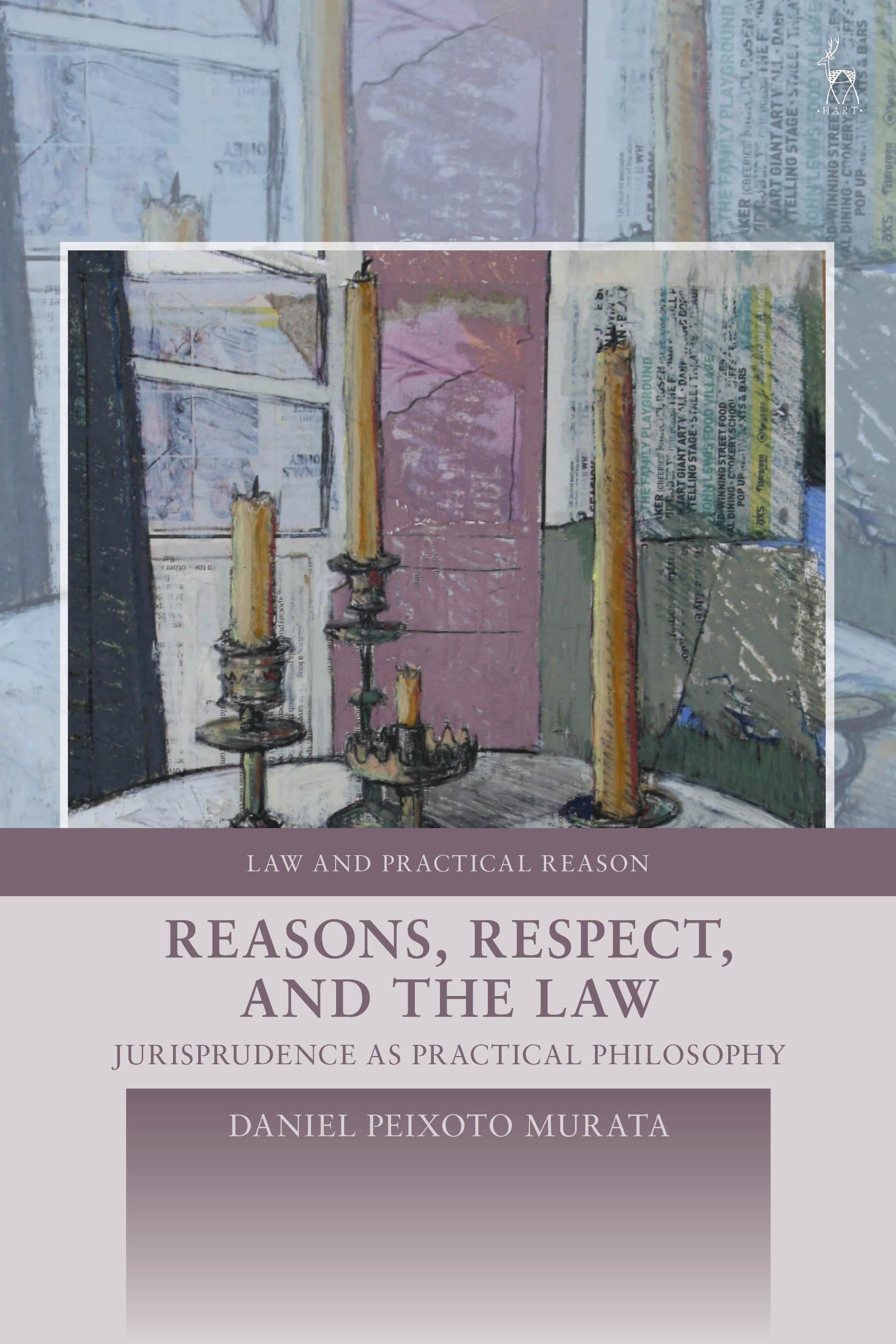
This is a book about law and its impact on our practical reasoning.
Drawing from Bernard Williams, the book argues that our practical engagements with the law are complex and often obscure. It begins with a novel view on practical reason that is called open-minded reasons internalism. This is a view that emphasises how certain considerations can bear on action for concrete agents, and in doing so it is an explanatory account of reasons and actions. The account is receptive to the considerations that makes much of people's lives: the motivations and dispositions they have, the notions of character and identity, and respect.
The book claims that this account helps in making sense of much of the richness seen in real life in how concrete agents engage with the law. It provides the tools to explain when and why an agent identifies herself totally with the law, as Inspector Javert did in Les Misérables, but it can also explain the attitude of respect that many law-abiding citizens have, and even the merely prudential considerations of OW Holmes' famous 'bad man'. What emerges from this book is a view on law and practical reason that takes seriously the phenomenology of action.
This book will be of interest to anyone interested in philosophical accounts of how we engage our practical reasoning with complex social practices.
Drawing from Bernard Williams, the book argues that our practical engagements with the law are complex and often obscure. It begins with a novel view on practical reason that is called open-minded reasons internalism. This is a view that emphasises how certain considerations can bear on action for concrete agents, and in doing so it is an explanatory account of reasons and actions. The account is receptive to the considerations that makes much of people's lives: the motivations and dispositions they have, the notions of character and identity, and respect.
The book claims that this account helps in making sense of much of the richness seen in real life in how concrete agents engage with the law. It provides the tools to explain when and why an agent identifies herself totally with the law, as Inspector Javert did in Les Misérables, but it can also explain the attitude of respect that many law-abiding citizens have, and even the merely prudential considerations of OW Holmes' famous 'bad man'. What emerges from this book is a view on law and practical reason that takes seriously the phenomenology of action.
This book will be of interest to anyone interested in philosophical accounts of how we engage our practical reasoning with complex social practices.
Payez facilement par carte, Klarna, Apple Pay ou Google Pay. Pas satisfait ? Vous avez toujours une garantie de remboursement de 14 jours. En savoir plus dans nos conditions. Si vous avez des questions, envoyez-nous un e-mail à hello@memmo.org.
Memmo facilite tes études, où que tu sois dans le monde. On rassemble tes manuels de cours et des outils d'étude intelligents au même endroit : résumés, quiz, podcasts et flashcards. Et il y a Ted, ton compagnon d'étude qui répond à toutes tes questions. Plus de 50 000 étudiants étudient déjà ici – conçu pour t'aider à apprendre plus vite et à moins stresser.