
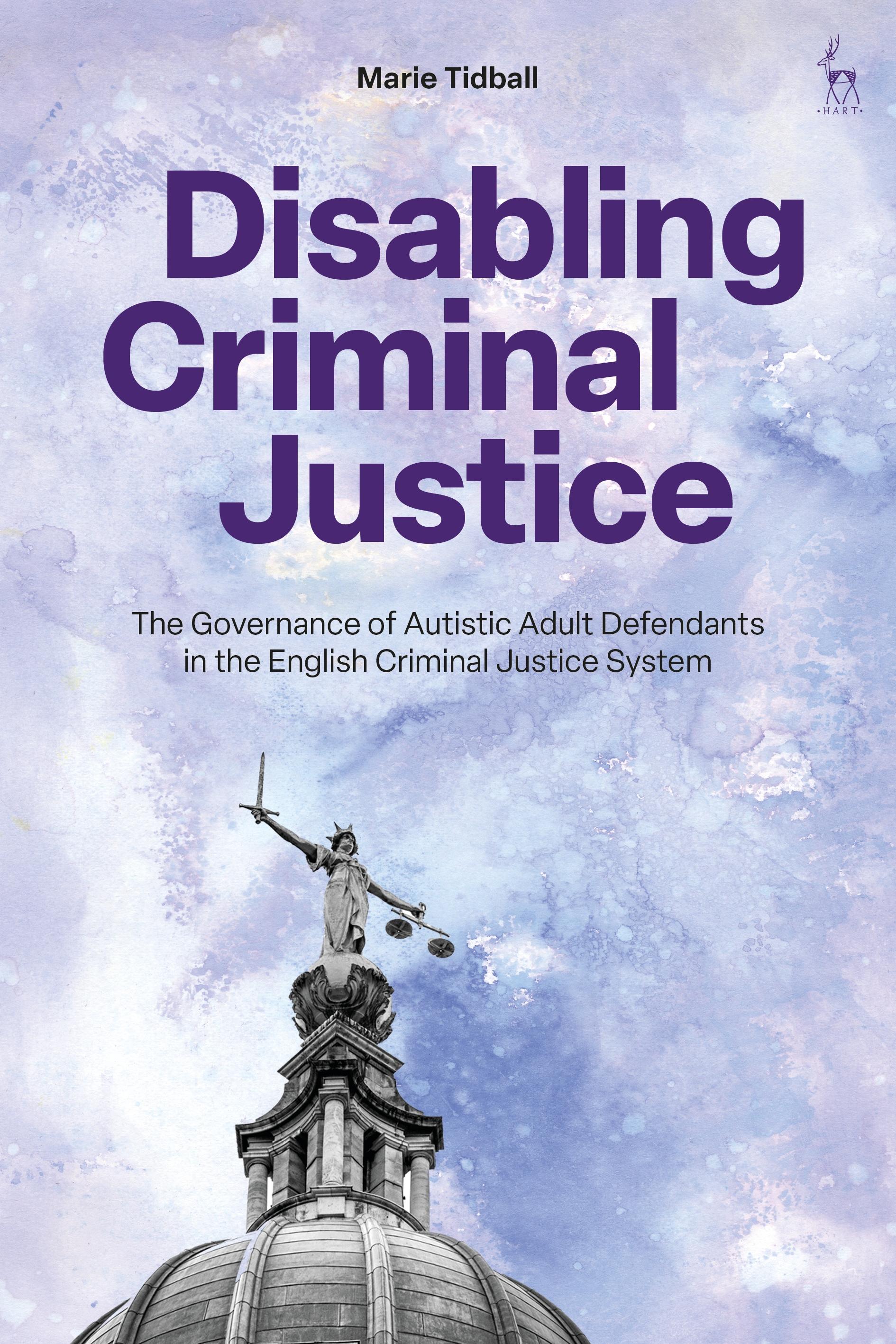
This book considers the governance of autistic defendants and offenders in the UK courts.
Utilising the social model of disability, it considers the dominant strategies of governance, including 'vulnerability', which the author argues obscures the rights of disabled people in the criminal justice system. In doing so it sheds light on how this group should be governed.
Drawing on rigorously-researched case studies of autistic adult defendants through the court process, the book brings together relevant legal and policy literature, criminological and criminal justice theory and disability studies to provide insight into the 'dividing practices' that affect the governance of disabled defendants' conduct.
Using interviews with elites and practitioners, textual analysis, and court observation of eight autistic adult defendants through their court process, the book investigates why the status of autistic defendants as disabled under the Equality Act 2010 has been overlooked in criminal justice policy and criminal court decision-making.
It explores the impact of the 'collateral' effects and 'symbiotic harm' of the criminal justice process on family members who support these defendants through the criminal justice process.
Utilising the social model of disability, it considers the dominant strategies of governance, including 'vulnerability', which the author argues obscures the rights of disabled people in the criminal justice system. In doing so it sheds light on how this group should be governed.
Drawing on rigorously-researched case studies of autistic adult defendants through the court process, the book brings together relevant legal and policy literature, criminological and criminal justice theory and disability studies to provide insight into the 'dividing practices' that affect the governance of disabled defendants' conduct.
Using interviews with elites and practitioners, textual analysis, and court observation of eight autistic adult defendants through their court process, the book investigates why the status of autistic defendants as disabled under the Equality Act 2010 has been overlooked in criminal justice policy and criminal court decision-making.
It explores the impact of the 'collateral' effects and 'symbiotic harm' of the criminal justice process on family members who support these defendants through the criminal justice process.
Pages: 296
Catégorie: Kriminologi
e-ISBN: 9781509956951
Poids d'expédition: 1.2 kg
Expédié sous: 1-2 jours
Payez facilement par carte, Klarna, Apple Pay ou Google Pay. Pas satisfait ? Vous avez toujours une garantie de remboursement de 14 jours. En savoir plus dans nos conditions. Si vous avez des questions, envoyez-nous un e-mail à hello@memmo.org.
Memmo facilite tes études, où que tu sois dans le monde. On rassemble tes manuels de cours et des outils d'étude intelligents au même endroit : résumés, quiz, podcasts et flashcards. Et il y a Ted, ton compagnon d'étude qui répond à toutes tes questions. Plus de 50 000 étudiants étudient déjà ici – conçu pour t'aider à apprendre plus vite et à moins stresser.