
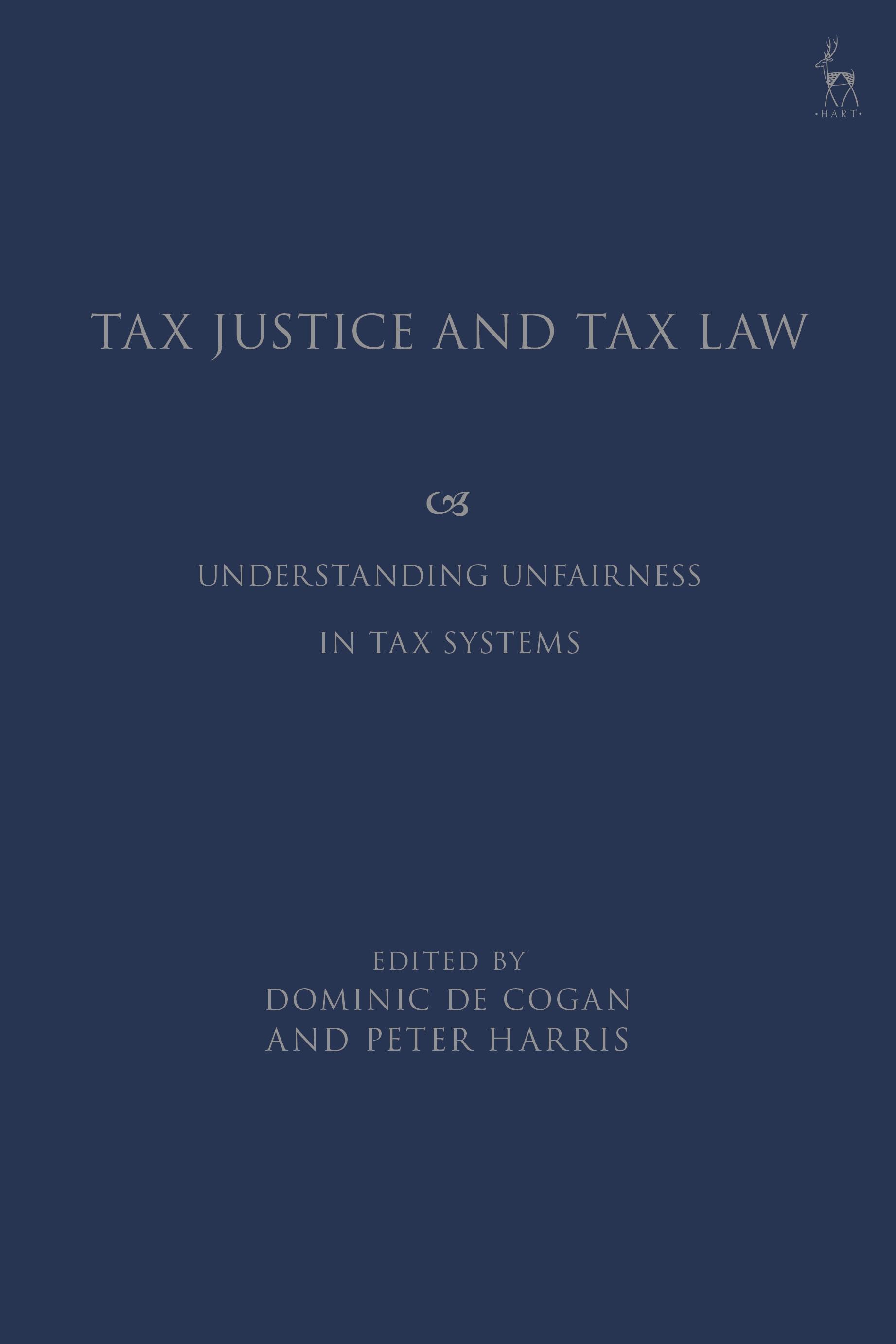
Most people would agree that tax systems ought to be 'just', and perhaps a great deal more just than they are at present. What is more difficult is to agree on what tax justice is.
This book considers a range of different approaches to, and ideas about the nature of tax justice and covers areas such as:
- imbalances in international tax arrangements that deprive developing countries of revenues from natural resources and allow wealthy taxpayers to use tax havens;
- protests against governments and large business;
- attempts to influence policy through more technical means such as the OECD's Base Erosion and Profits Shifting project;
- interpersonal matters, such as the ways in which tax systems disadvantage women and minorities;
- the application of wider philosophical or economic theories to tax systems.
The purpose of the book is not to iron out these underlying differences into a grand theory, but rather to gain a more precise understanding of how and why we disagree about tax justice. In doing so the editors are assisted by a stellar cast of contributors from four continents, with a wide variety of views and experiences but a common interest in this central question of how to agree and disagree about tax justice. This is, of course, not only an intellectual exercise but also a necessary precursor to achieving real-world change.
This book considers a range of different approaches to, and ideas about the nature of tax justice and covers areas such as:
- imbalances in international tax arrangements that deprive developing countries of revenues from natural resources and allow wealthy taxpayers to use tax havens;
- protests against governments and large business;
- attempts to influence policy through more technical means such as the OECD's Base Erosion and Profits Shifting project;
- interpersonal matters, such as the ways in which tax systems disadvantage women and minorities;
- the application of wider philosophical or economic theories to tax systems.
The purpose of the book is not to iron out these underlying differences into a grand theory, but rather to gain a more precise understanding of how and why we disagree about tax justice. In doing so the editors are assisted by a stellar cast of contributors from four continents, with a wide variety of views and experiences but a common interest in this central question of how to agree and disagree about tax justice. This is, of course, not only an intellectual exercise but also a necessary precursor to achieving real-world change.
Payez facilement par carte, Klarna, Apple Pay ou Google Pay. Pas satisfait ? Vous avez toujours une garantie de remboursement de 14 jours. En savoir plus dans nos conditions. Si vous avez des questions, envoyez-nous un e-mail à hello@memmo.org.
Memmo facilite tes études, où que tu sois dans le monde. On rassemble tes manuels de cours et des outils d'étude intelligents au même endroit : résumés, quiz, podcasts et flashcards. Et il y a Ted, ton compagnon d'étude qui répond à toutes tes questions. Plus de 50 000 étudiants étudient déjà ici – conçu pour t'aider à apprendre plus vite et à moins stresser.