
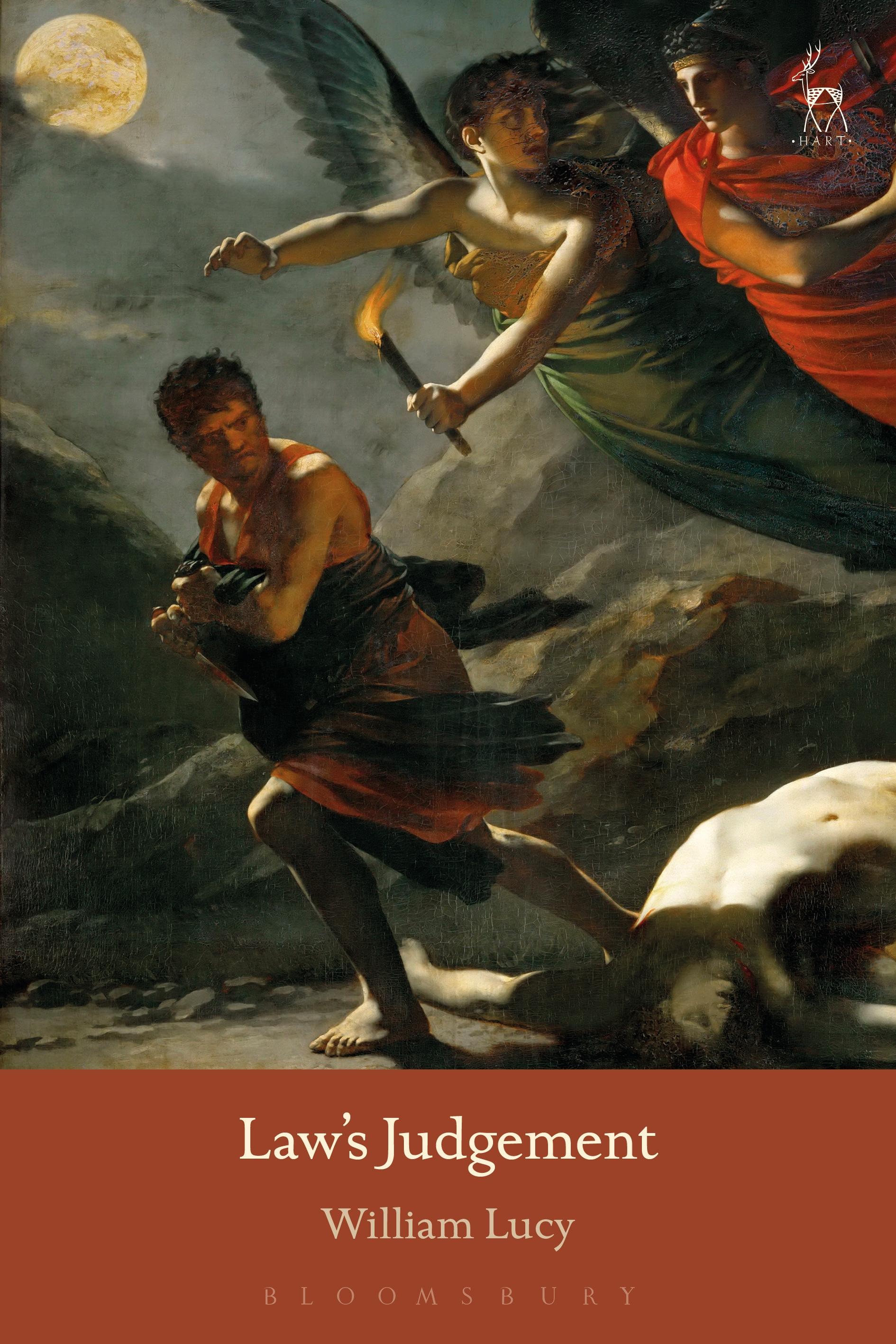
Law's Judgement elucidates and defends a feature of contemporary law that is currently either overlooked or too glibly dismissed as morally troublesome or historically anachronistic. That feature is the abstract nature of law's judgement and its three components show that, when law judges us, it often does so in ignorance of our particular characters and abilities, on the one hand, and in ignorance of our context and circumstances, on the other. Law's judgement is thus insensitive to all or much that makes us the particular people we are. The book explores various connections between this mode of judgement and some of our most important legal and political values. It shows that law's abstract judgement is closely related to important juristic conceptions of personhood, responsibility and impartiality, and that these notions are not without moral significance. The book also examines the connections between modern law's judgement and three of our most important political values, namely, dignity, equality and community. It argues that, if we value particular conceptions of dignity, equality and community, then we must also value law's judgement. Illuminating these connections therefore serves a double purpose: first, it makes a case against those who counsel liberation from law's abstract judgement and, second, it redirects attention to the task of morally evaluating law's abstract judgement in its own terms.
Payez facilement par carte, Klarna, Apple Pay ou Google Pay. Pas satisfait ? Vous avez toujours une garantie de remboursement de 14 jours. En savoir plus dans nos conditions. Si vous avez des questions, envoyez-nous un e-mail à hello@memmo.org.
Memmo facilite tes études, où que tu sois dans le monde. On rassemble tes manuels de cours et des outils d'étude intelligents au même endroit : résumés, quiz, podcasts et flashcards. Et il y a Ted, ton compagnon d'étude qui répond à toutes tes questions. Plus de 50 000 étudiants étudient déjà ici – conçu pour t'aider à apprendre plus vite et à moins stresser.