
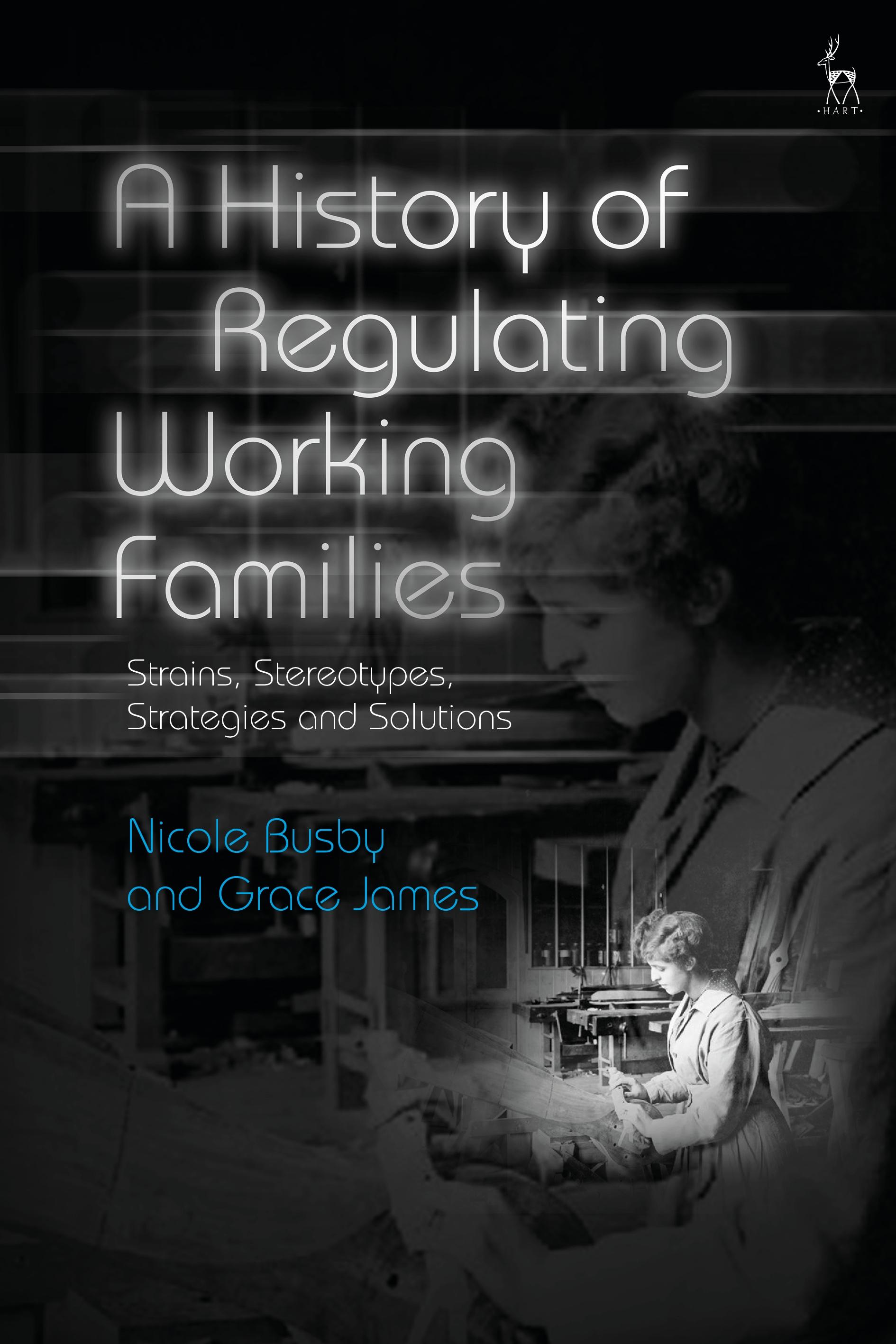
Families in market economies have long been confronted by the demands of participating in paid work and providing care. Across Europe the social, economic and political environment within which families do so has been subject to substantial change in the post-World War II era and governments have come under increasing pressure to engage with this important area of public policy. In the UK, as elsewhere, the tensions which lie at the heart of the paid work/unpaid care conflict remain unresolved posing substantial difficulties for all of law's subjects both as carers and as the recipients of care. What seems like a relatively simple goal – to enable families to better balance care-giving and paid employment – has been subject to and shaped by shifting priorities over time leading to a variety of often conflicting policy approaches.
This book critiques how working families in the UK have been subject to regulation. It has two aims:
· To chart the development of the UK's law and policy framework by focusing on the post-war era and the growth and decline of the welfare state, considering a longer historical trajectory where appropriate.
· To suggest an alternative policy approach based on Martha Fineman's vulnerability theory in which the vulnerable subject replaces the liberal subject as the focus of legal intervention. This reorientation enables a more inclusive and cohesive policy approach and has great potential to contribute to the reconciliation of the unresolved conflict between paid work and care-giving.
This book critiques how working families in the UK have been subject to regulation. It has two aims:
· To chart the development of the UK's law and policy framework by focusing on the post-war era and the growth and decline of the welfare state, considering a longer historical trajectory where appropriate.
· To suggest an alternative policy approach based on Martha Fineman's vulnerability theory in which the vulnerable subject replaces the liberal subject as the focus of legal intervention. This reorientation enables a more inclusive and cohesive policy approach and has great potential to contribute to the reconciliation of the unresolved conflict between paid work and care-giving.
Payez facilement par carte, Klarna, Apple Pay ou Google Pay. Pas satisfait ? Vous avez toujours une garantie de remboursement de 14 jours. En savoir plus dans nos conditions. Si vous avez des questions, envoyez-nous un e-mail à hello@memmo.org.
Memmo facilite tes études, où que tu sois dans le monde. On rassemble tes manuels de cours et des outils d'étude intelligents au même endroit : résumés, quiz, podcasts et flashcards. Et il y a Ted, ton compagnon d'étude qui répond à toutes tes questions. Plus de 50 000 étudiants étudient déjà ici – conçu pour t'aider à apprendre plus vite et à moins stresser.