
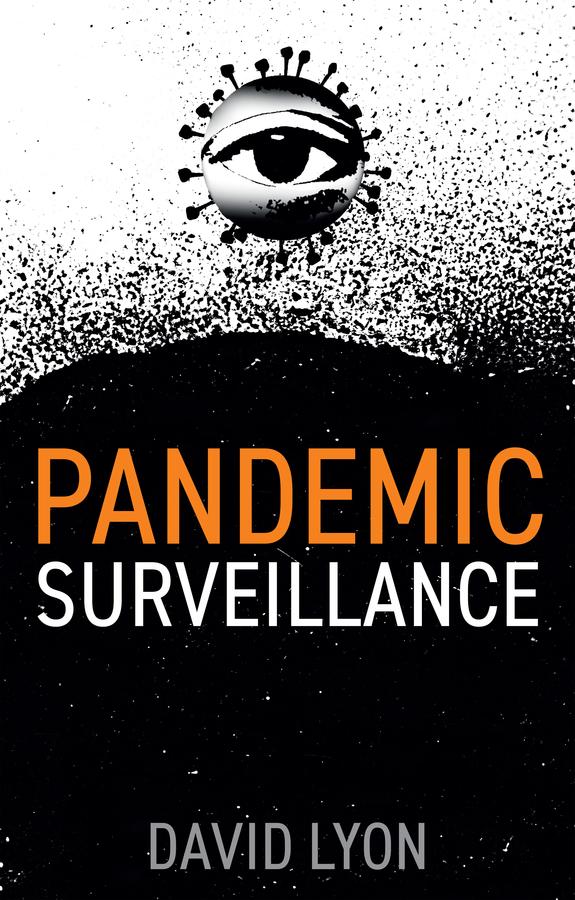
The COVID-19 pandemic has disrupted life as we knew it. Lockdowns, self-isolation and quarantine have become a normal part of everyday life. Pandemic surveillance allows governments and corporations to monitor and surveil the spread of the virus and to make sure citizens follow the measures they put in place. This is evident in the massive, unprecedented mobilization of public health data to contain and combat the virus, and the ballooning of surveillance technologies such as contact-tracing apps, facial recognition, and population tracking. This can also be seen as a pandemic of surveillance.
In this timely book, David Lyon tracks the development of these methods, examining different forms of pandemic surveillance, in health-related and other areas, from countries around the world. He explores their benefits and disadvantages, their legal status, and how they relate to privacy protection, an ethics of care, and data justice. Questioning whether this new culture of surveillance will become a permanent feature of post-pandemic societies and the long-term negative effects this might have on social inequalities and human freedoms, Pandemic Surveillance highlights the magnitude of COVID-19-related surveillance expansion. The book also underscores the urgent need for new policies relating to surveillance and data justice in the twenty-first century.
Payez facilement par carte, Klarna, Apple Pay ou Google Pay. Pas satisfait ? Vous avez toujours une garantie de remboursement de 14 jours. En savoir plus dans nos conditions. Si vous avez des questions, envoyez-nous un e-mail à hello@memmo.org.
Memmo facilite tes études, où que tu sois dans le monde. On rassemble tes manuels de cours et des outils d'étude intelligents au même endroit : résumés, quiz, podcasts et flashcards. Et il y a Ted, ton compagnon d'étude qui répond à toutes tes questions. Plus de 50 000 étudiants étudient déjà ici – conçu pour t'aider à apprendre plus vite et à moins stresser.