
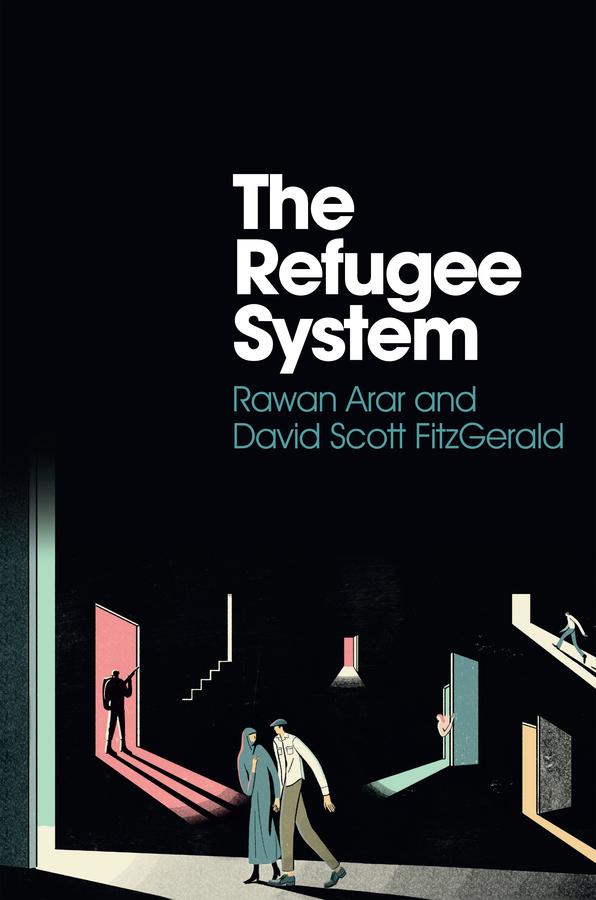
Some people facing violence and persecution flee. Others stay. How do households in danger decide who should go, where to relocate, and whether to keep moving? What are the conditions in countries of origin, transit, and reception that shape people's options?
This incisive book tells the story of how one Syrian family, spread across several countries, tried to survive the civil war and live in dignity. This story forms a backdrop to explore and explain the refugee system. Departing from studies that create siloes of knowledge about just one setting or ""solution"" to displacement, the book's sociological approach describes a global system that shapes refugee movements. Changes in one part of the system reverberate elsewhere. Feedback mechanisms change processes across time and place. Earlier migrations shape later movements. Immobility on one path redirects migration along others. Past policies, laws, population movements, and regional responses all contribute to shape states’ responses in the present. As Arar and FitzGerald illustrate, all these processes are forged by deep inequalities of economic, political, military, and ideological power.
Presenting a sharp analysis of refugee structures worldwide, this book offers invaluable insights for students and scholars of international migration and refugee studies across the social sciences, as well as policy makers and those involved in refugee and asylum work.
Payez facilement par carte, Klarna, Apple Pay ou Google Pay. Pas satisfait ? Vous avez toujours une garantie de remboursement de 14 jours. En savoir plus dans nos conditions. Si vous avez des questions, envoyez-nous un e-mail à hello@memmo.org.
Memmo facilite tes études, où que tu sois dans le monde. On rassemble tes manuels de cours et des outils d'étude intelligents au même endroit : résumés, quiz, podcasts et flashcards. Et il y a Ted, ton compagnon d'étude qui répond à toutes tes questions. Plus de 50 000 étudiants étudient déjà ici – conçu pour t'aider à apprendre plus vite et à moins stresser.