
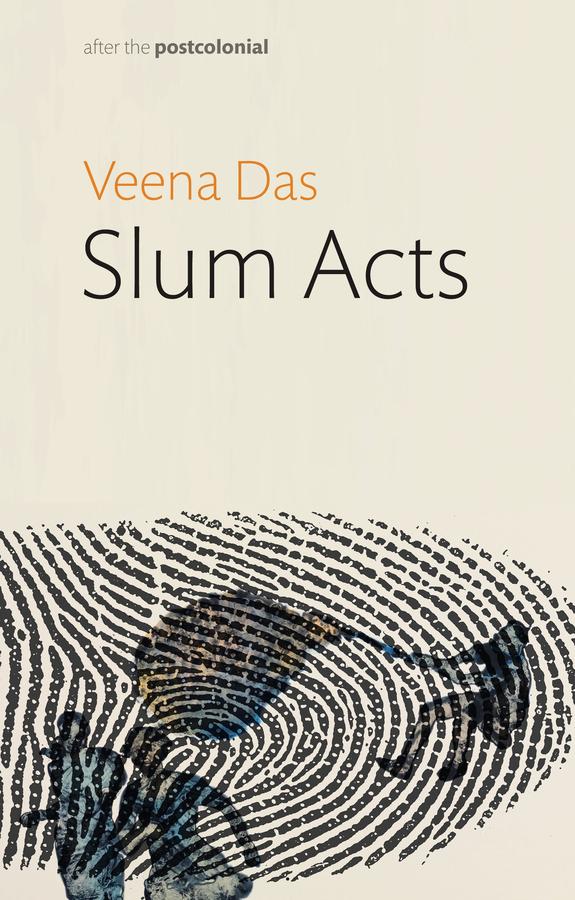
This book examines the ways in which knowledge that is inordinate, excessive, and overwhelming comes to mark everyday life in low-income, poor neighborhoods in Delhi with crumbling infrastructures and pervasive violence. Based on long-term ethnography in these spaces, this book provides a detailed analysis of the institutions of the state, particularly of policing and law in India. It argues that catastrophic events at the national level and the techniques of governance through which they are handled secrete forms of knowing that get embedded into the nooks and crannies of everyday life, eroding trust, sowing suspicions, and leading to an exhaustion of capacity for care. Yet the paths to survival honed within these spaces generate critique that compels us to ask how punishment and torture become routinized in democracies. Following the paths of those who struggle with these questions in these neighborhoods, the book finds that deep philosophical questions, such as the inhuman as a possibility of the human rather than its boundary, arise in the weaves of these lives and are experienced as a dimension of the social.
This book will be of great interest to students and scholars in anthropology and throughout the social sciences and humanities.
Payez facilement par carte, Klarna, Apple Pay ou Google Pay. Pas satisfait ? Vous avez toujours une garantie de remboursement de 14 jours. En savoir plus dans nos conditions. Si vous avez des questions, envoyez-nous un e-mail à hello@memmo.org.
Memmo facilite tes études, où que tu sois dans le monde. On rassemble tes manuels de cours et des outils d'étude intelligents au même endroit : résumés, quiz, podcasts et flashcards. Et il y a Ted, ton compagnon d'étude qui répond à toutes tes questions. Plus de 50 000 étudiants étudient déjà ici – conçu pour t'aider à apprendre plus vite et à moins stresser.