
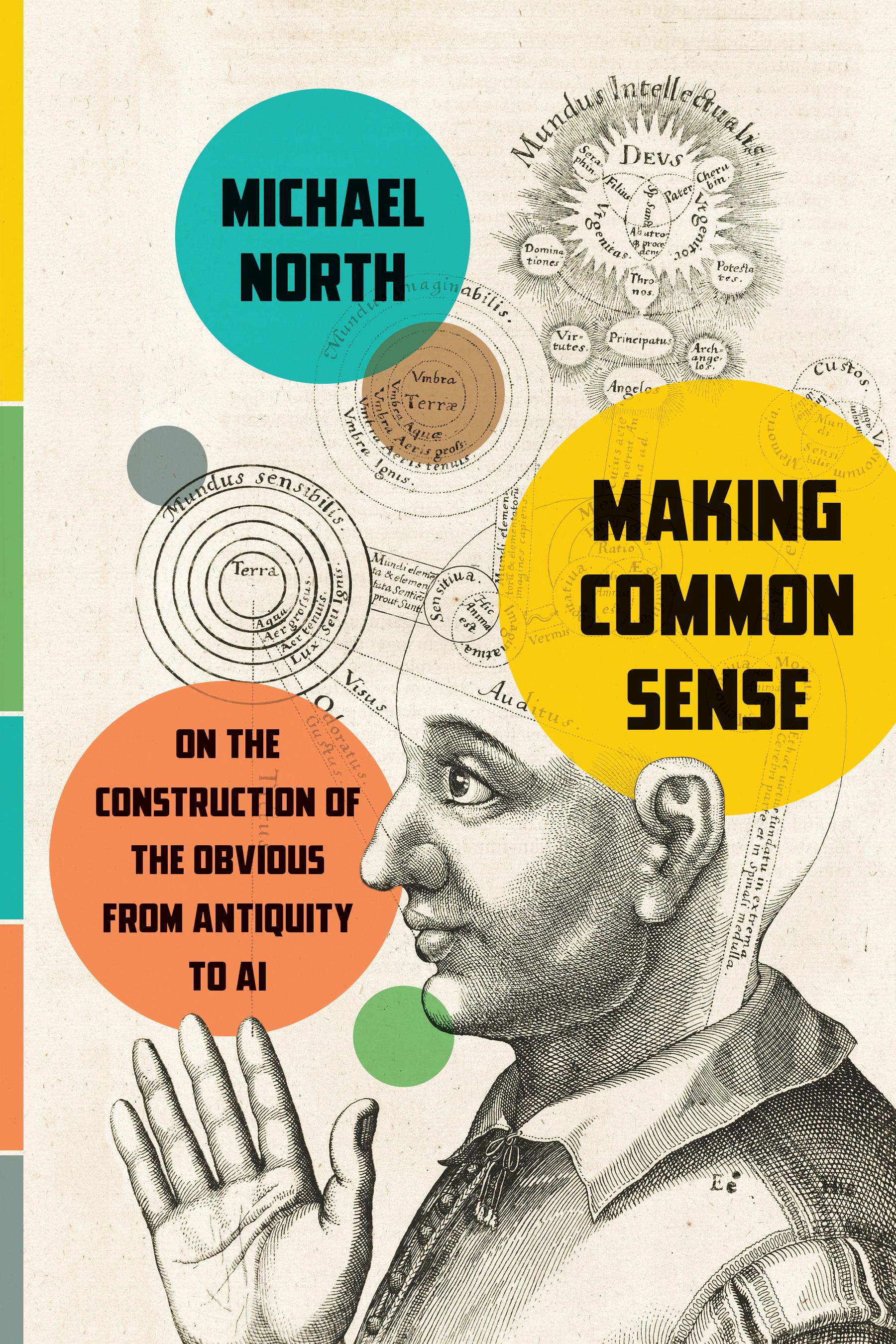
Common sense is supposed to be so obvious it can go without saying. And yet, it has been hard to pin down, partly because its contents are vague and inconsistent, and partly because it has always been difficult to say what kind of sense common sense is. Making Common Sense is an historical account of attempts, from antiquity to the present, to solve this puzzle. The ambiguity began centuries ago with the merger of the common sense, the sensorium commune, a kind of sixth sense responsible for coordinating the other five, with the sensus communis, a collection of implicit social habits and beliefs. Ever since, common sense, as a power both practical and thoughtful, has promised to split the difference between sensation and reason, the body and the mind, and between individuals and their society. As challenges from medical science and skeptical philosophy accumulated, though, common sense assumed a number of different forms in response. It has been a physical organ, a mental faculty, a body of knowledge, a system of axioms, an ethical principle, and a synonym for culture, until finally, with game theory and artificial intelligence, it becomes a number. Michael North tracks the obvious through these changes, showing why it remains, even now in the age of AI, as dark and mysterious as it was in the beginning.
Payez facilement par carte, Klarna, Apple Pay ou Google Pay. Pas satisfait ? Vous avez toujours une garantie de remboursement de 14 jours. En savoir plus dans nos conditions. Si vous avez des questions, envoyez-nous un e-mail à hello@memmo.org.
Memmo facilite tes études, où que tu sois dans le monde. On rassemble tes manuels de cours et des outils d'étude intelligents au même endroit : résumés, quiz, podcasts et flashcards. Et il y a Ted, ton compagnon d'étude qui répond à toutes tes questions. Plus de 50 000 étudiants étudient déjà ici – conçu pour t'aider à apprendre plus vite et à moins stresser.