
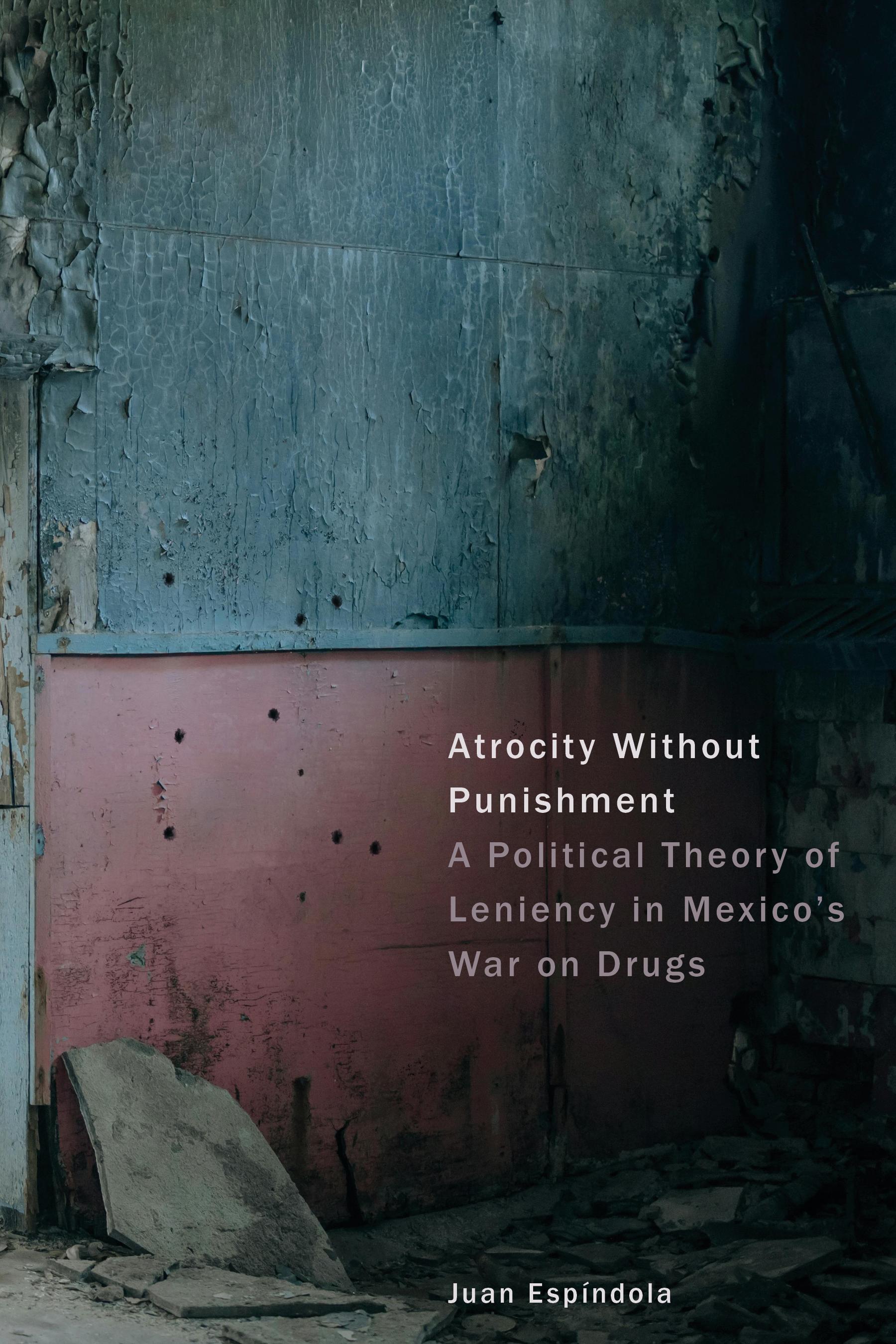
Leniency might sometimes be the ethical response to atrocity. However, the more extraordinary an act of violence is, the greater the compulsion to severely punish the offender. The rationale is that the threat of harsh punishment will be more effective at preventing crime. At the same time, the notion that criminal justice is corrupt and ineffective has become commonplace. At the center of these conflicting trends is a puzzle that this book sets out to solve: what if punishment should not only be judged by its effectiveness, but also by its morality?
Mexico's War on Drugs has unleashed an endless cycle of violence in the country. The resulting human toll is catastrophic. Atrocity Without Punishment advances ethically compelling reasons to impose lenient sentences on offenders involved in drug trafficking, including many who commit serious offenses. Juan Espíndola argues that this is in fact a morally permissible, even obligatory, way to hold perpetrators accountable.
From this vantage point, Espíndola problematizes the relationship between punishment and core political values such as legitimacy and justice. By challenging the criminal justice system in this way, he charts a path toward a more just criminal legal system that can muster the support of those who reject abolitionism.
Payez facilement par carte, Klarna, Apple Pay ou Google Pay. Pas satisfait ? Vous avez toujours une garantie de remboursement de 14 jours. En savoir plus dans nos conditions. Si vous avez des questions, envoyez-nous un e-mail à hello@memmo.org.
Memmo facilite tes études, où que tu sois dans le monde. On rassemble tes manuels de cours et des outils d'étude intelligents au même endroit : résumés, quiz, podcasts et flashcards. Et il y a Ted, ton compagnon d'étude qui répond à toutes tes questions. Plus de 50 000 étudiants étudient déjà ici – conçu pour t'aider à apprendre plus vite et à moins stresser.