
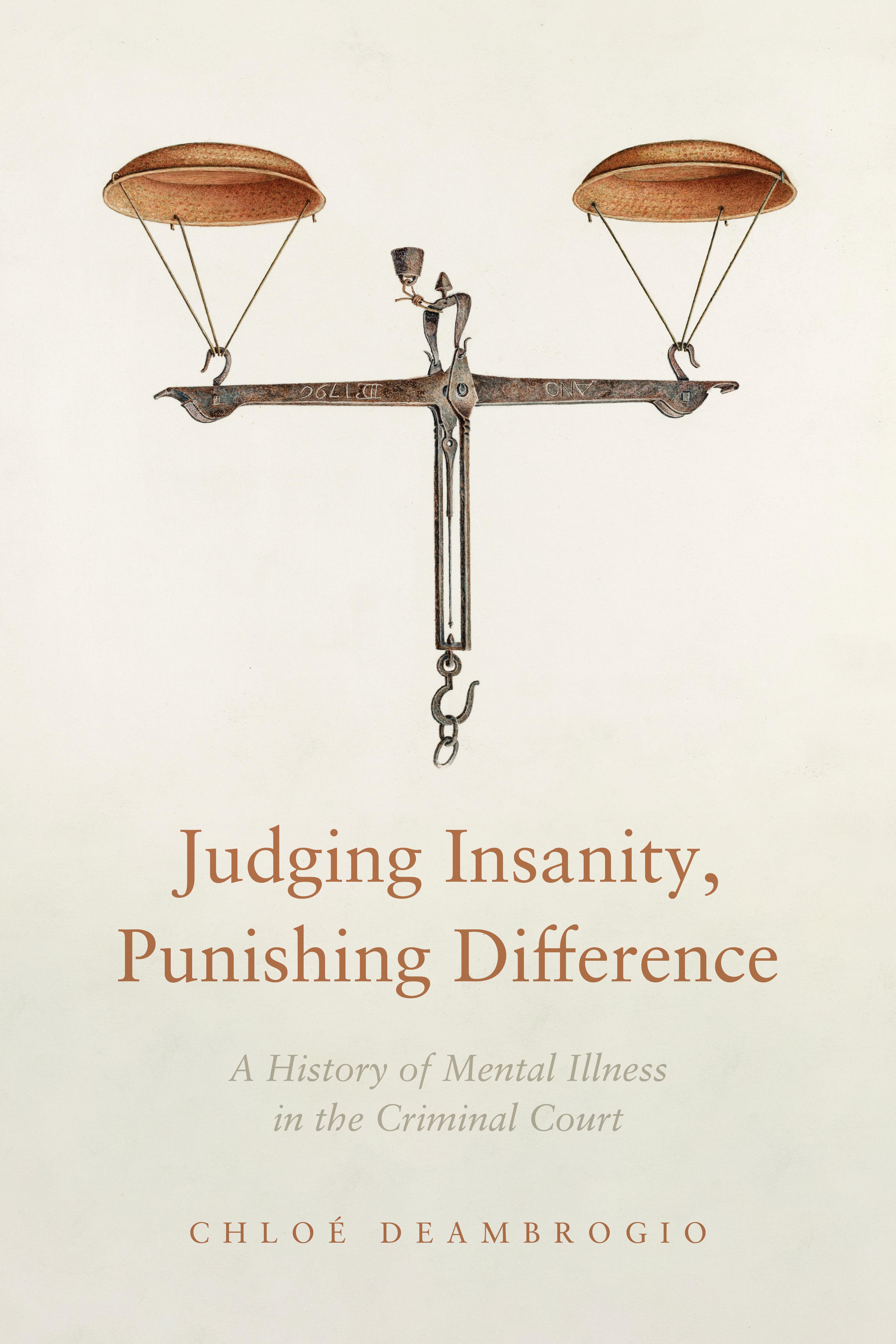
In Judging Insanity, Punishing Difference, Chloé Deambrogio explores how developments in the field of forensic psychiatry shaped American courts' assessments of defendants' mental health and criminal responsibility over the course of the twentieth century. During this period, new psychiatric notions of the mind and its readability, legal doctrines of insanity and diminished culpability, and cultural stereotypes about race and gender shaped the ways in which legal professionals, mental health experts, and lay witnesses approached mental disability evidence, especially in cases carrying the death penalty.
Using Texas as a case study, Deambrogio examines how these medical, legal, and cultural trends shaped psycho-legal debates in state criminal courts, while shedding light on the ways in which experts and lay actors' interpretations of "pathological" mental states influenced trial verdicts in capital cases. She shows that despite mounting pressures from advocates of the "rehabilitative penology," Texas courts maintained a punitive approach towards defendants allegedly affected by severe mental disabilities, while allowing for moralized views about personalities, habits, and lifestyle to influence psycho-legal assessments, in potentially prejudicial ways.
Payez facilement par carte, Klarna, Apple Pay ou Google Pay. Pas satisfait ? Vous avez toujours une garantie de remboursement de 14 jours. En savoir plus dans nos conditions. Si vous avez des questions, envoyez-nous un e-mail à hello@memmo.org.
Memmo facilite tes études, où que tu sois dans le monde. On rassemble tes manuels de cours et des outils d'étude intelligents au même endroit : résumés, quiz, podcasts et flashcards. Et il y a Ted, ton compagnon d'étude qui répond à toutes tes questions. Plus de 50 000 étudiants étudient déjà ici – conçu pour t'aider à apprendre plus vite et à moins stresser.