
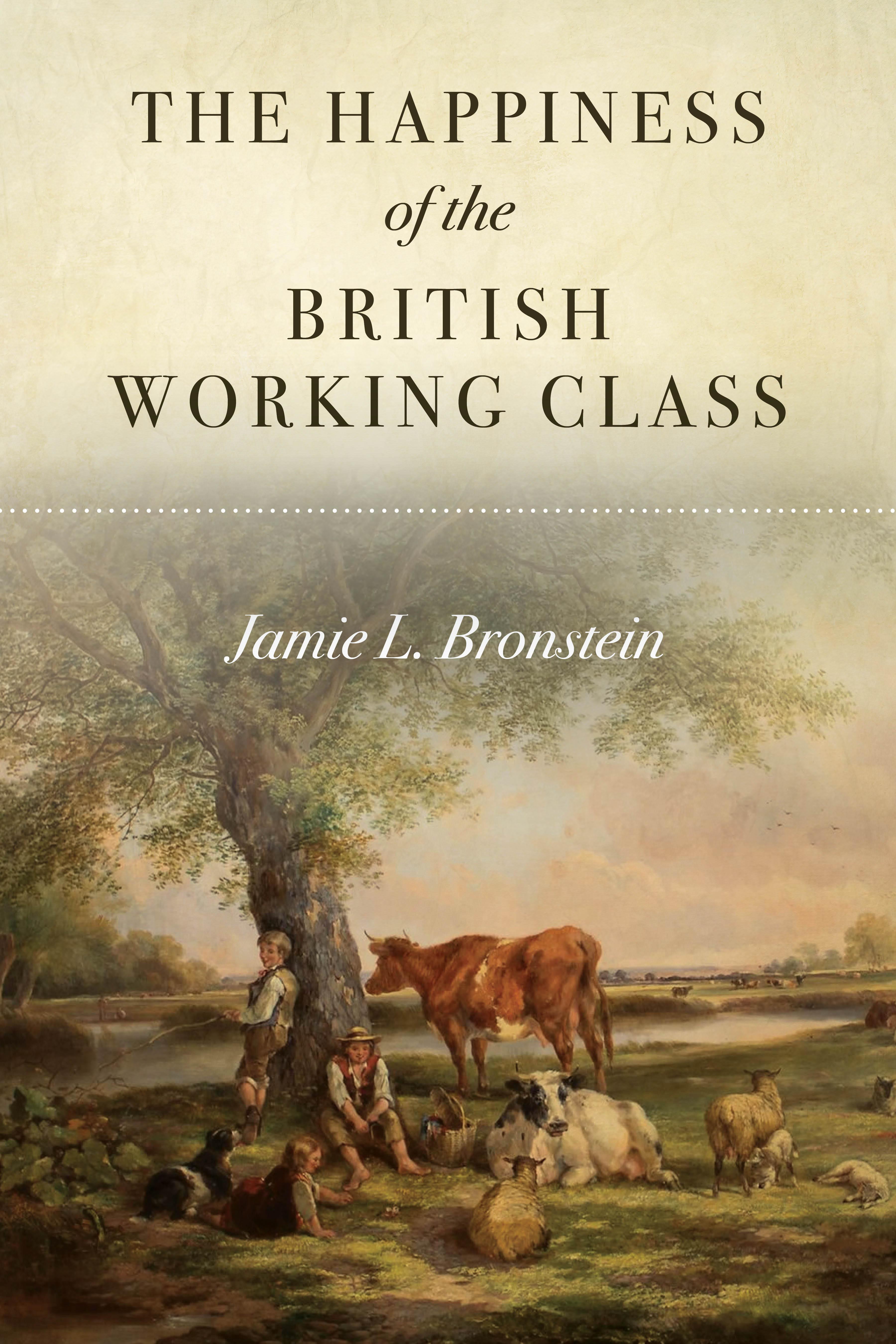
For working-class life writers in nineteenth century Britain, happiness was a multifaceted emotion: a concept that could describe experiences of hedonic pleasure, foster and deepen social relationships, drive individuals to self-improvement, and lead them to look back over their lives and evaluate whether they were well-lived. However, not all working-class autobiographers shared the same concepts or valorizations of happiness, as variables such as geography, gender, political affiliation, and social and economic mobility often influenced the way they defined and experienced their emotional lives.
The Happiness of the British Working Class employs and analyzes over 350 autobiographies of individuals in England, Scotland, and Ireland to explore the sources of happiness of British working people born before 1870. Drawing from careful examinations of their personal narratives, Jamie L. Bronstein investigates the ways in which working people thought about the good life as seen through their experiences with family and friends, rewarding work, interaction with the natural world, science and creativity, political causes and religious commitments, and physical and economic struggles. Informed by the history of emotions and the philosophical and social-scientific literature on happiness, this book reflects broadly on the industrial-era working-class experience in an era of immense social and economic change.
Payez facilement par carte, Klarna, Apple Pay ou Google Pay. Pas satisfait ? Vous avez toujours une garantie de remboursement de 14 jours. En savoir plus dans nos conditions. Si vous avez des questions, envoyez-nous un e-mail à hello@memmo.org.
Memmo facilite tes études, où que tu sois dans le monde. On rassemble tes manuels de cours et des outils d'étude intelligents au même endroit : résumés, quiz, podcasts et flashcards. Et il y a Ted, ton compagnon d'étude qui répond à toutes tes questions. Plus de 50 000 étudiants étudient déjà ici – conçu pour t'aider à apprendre plus vite et à moins stresser.