
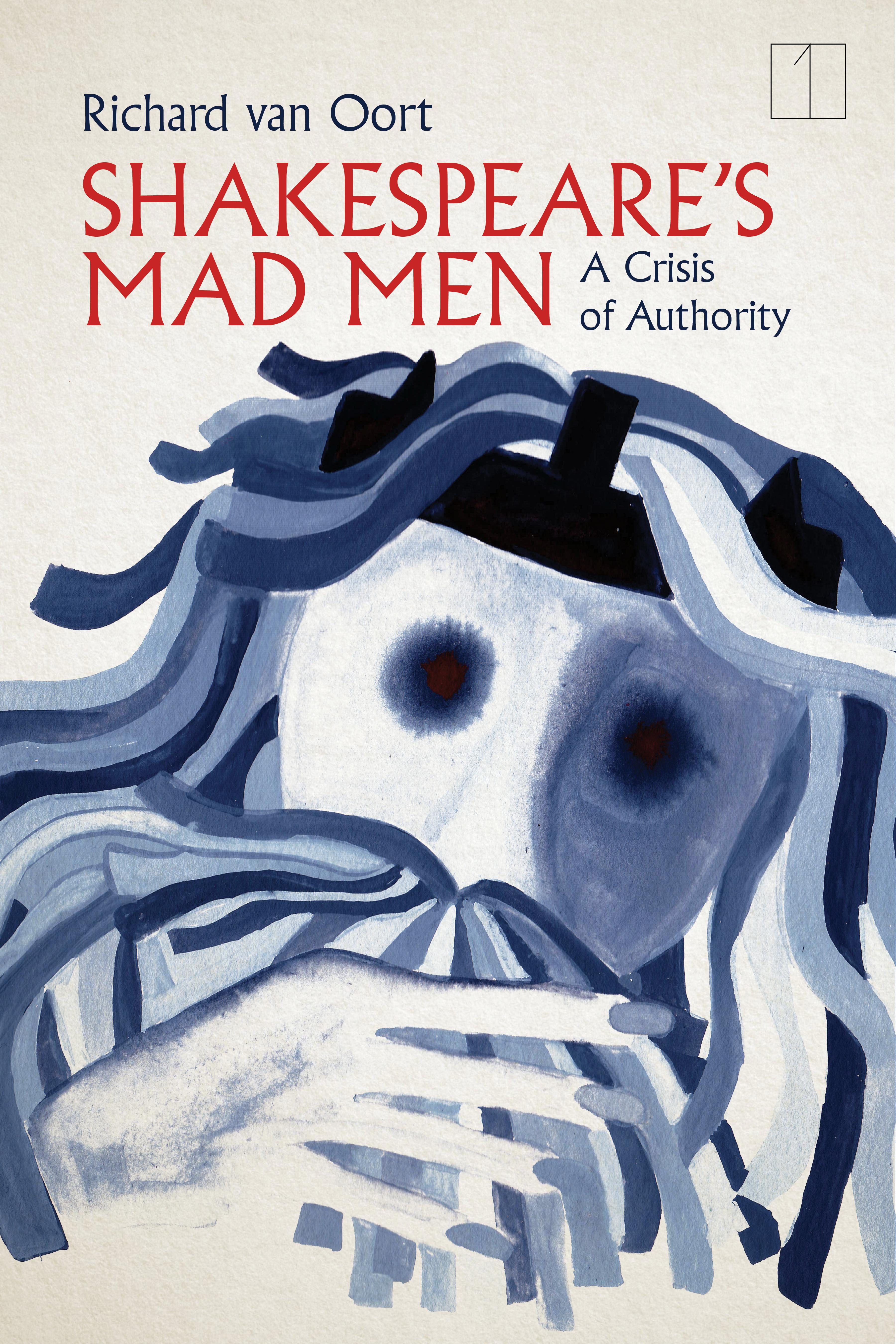
This book is about a mad king and a mad duke. With original and iconoclastic readings, Richard van Oort pioneers the reading of Shakespeare as an ethical thinker of the "originary scene," the scene in which humans became conscious of themselves as symbol-using moral and narrative beings. Taking King Lear and Measure for Measure as case studies, van Oort shows how the minimal concept of an anthropological scene of origin—the "originary hypothesis"—provides the basis for a new understanding of every aspect of the plays, from the psychology of the characters to the ethical and dialogical conflicts upon which the drama is based. The result is a gripping commentary on the plays. Why does Lear abdicate and go mad? Why does Edgar torture his father with non-recognition? Why does Lucio accuse the Duke in Measure for Measure of madness and lechery, and why does Isabella remain silent at the end? In approaching these and other questions from the perspective of the originary hypothesis, van Oort helps us to see the ethical predicament of the plays, and, in the process, makes Shakespeare new again.
Payez facilement par carte, Klarna, Apple Pay ou Google Pay. Pas satisfait ? Vous avez toujours une garantie de remboursement de 14 jours. En savoir plus dans nos conditions. Si vous avez des questions, envoyez-nous un e-mail à hello@memmo.org.
Memmo facilite tes études, où que tu sois dans le monde. On rassemble tes manuels de cours et des outils d'étude intelligents au même endroit : résumés, quiz, podcasts et flashcards. Et il y a Ted, ton compagnon d'étude qui répond à toutes tes questions. Plus de 50 000 étudiants étudient déjà ici – conçu pour t'aider à apprendre plus vite et à moins stresser.