
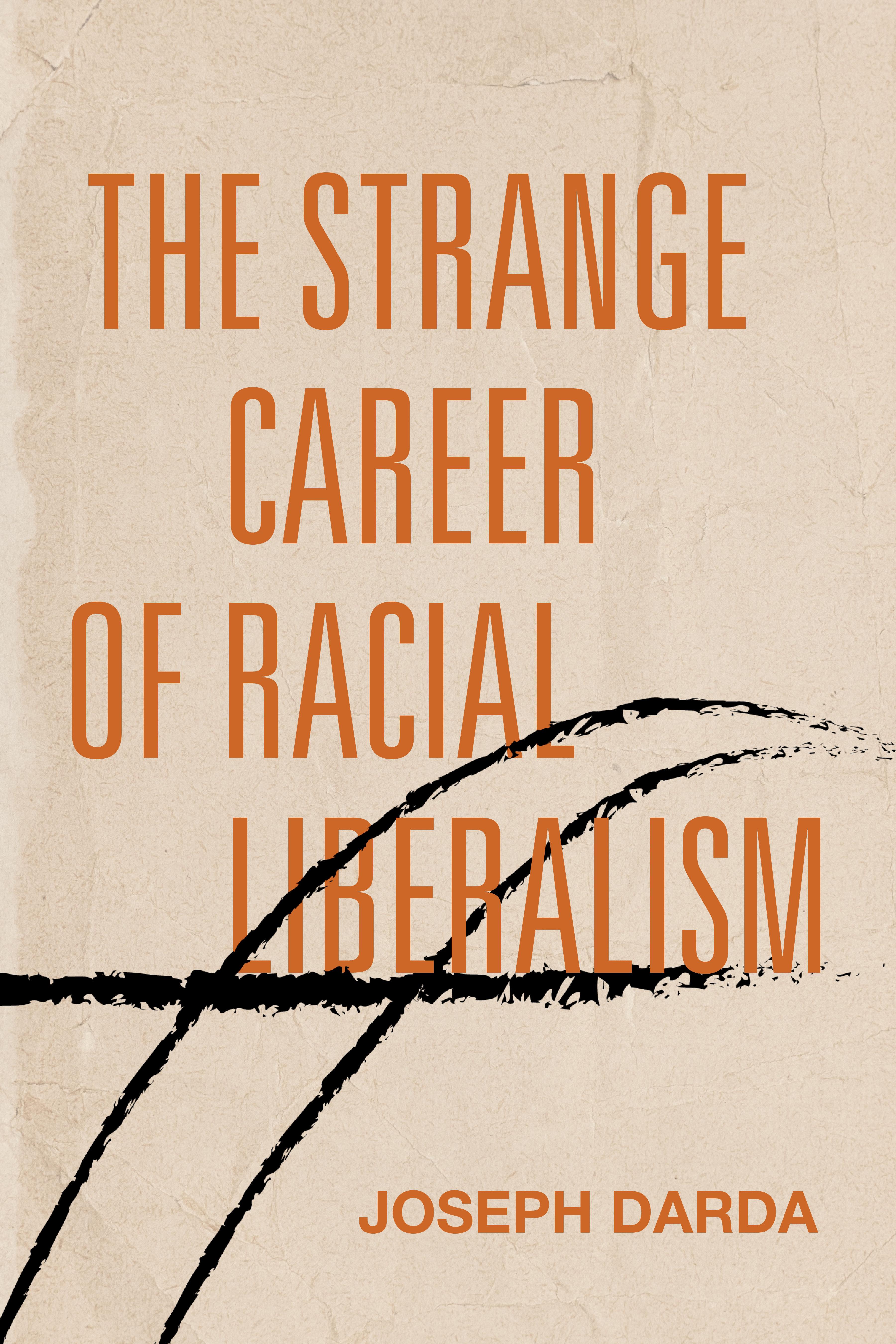
How Americans learned to wait on time for racial change
What if, Joseph Darda asks, our desire to solve racism—with science, civil rights, antiracist literature, integration, and color blindness—has entrenched it further? In The Strange Career of Racial Liberalism, he traces the rise of liberal antiracism, showing how reformers' faith in time, in the moral arc of the universe, has undercut future movements with the insistence that racism constitutes a time-limited crisis to be solved with time-limited remedies.
Most historians attribute the shortcomings of the civil rights era to a conservative backlash or to the fracturing of the liberal establishment in the late 1960s, but the civil rights movement also faced resistance from a liberal "frontlash," from antiredistributive allies who, before it ever took off, constrained what the movement could demand and how it could demand it. Telling the stories of Ruth Benedict, Kenneth Clark, W. E. B. Du Bois, John Howard Griffin, Pauli Murray, Lillian Smith, Richard Wright, and others, Darda reveals how Americans learned to wait on time for racial change and the enduring harm of that trust in the clock.
Payez facilement par carte, Klarna, Apple Pay ou Google Pay. Pas satisfait ? Vous avez toujours une garantie de remboursement de 14 jours. En savoir plus dans nos conditions. Si vous avez des questions, envoyez-nous un e-mail à hello@memmo.org.
Memmo facilite tes études, où que tu sois dans le monde. On rassemble tes manuels de cours et des outils d'étude intelligents au même endroit : résumés, quiz, podcasts et flashcards. Et il y a Ted, ton compagnon d'étude qui répond à toutes tes questions. Plus de 50 000 étudiants étudient déjà ici – conçu pour t'aider à apprendre plus vite et à moins stresser.