
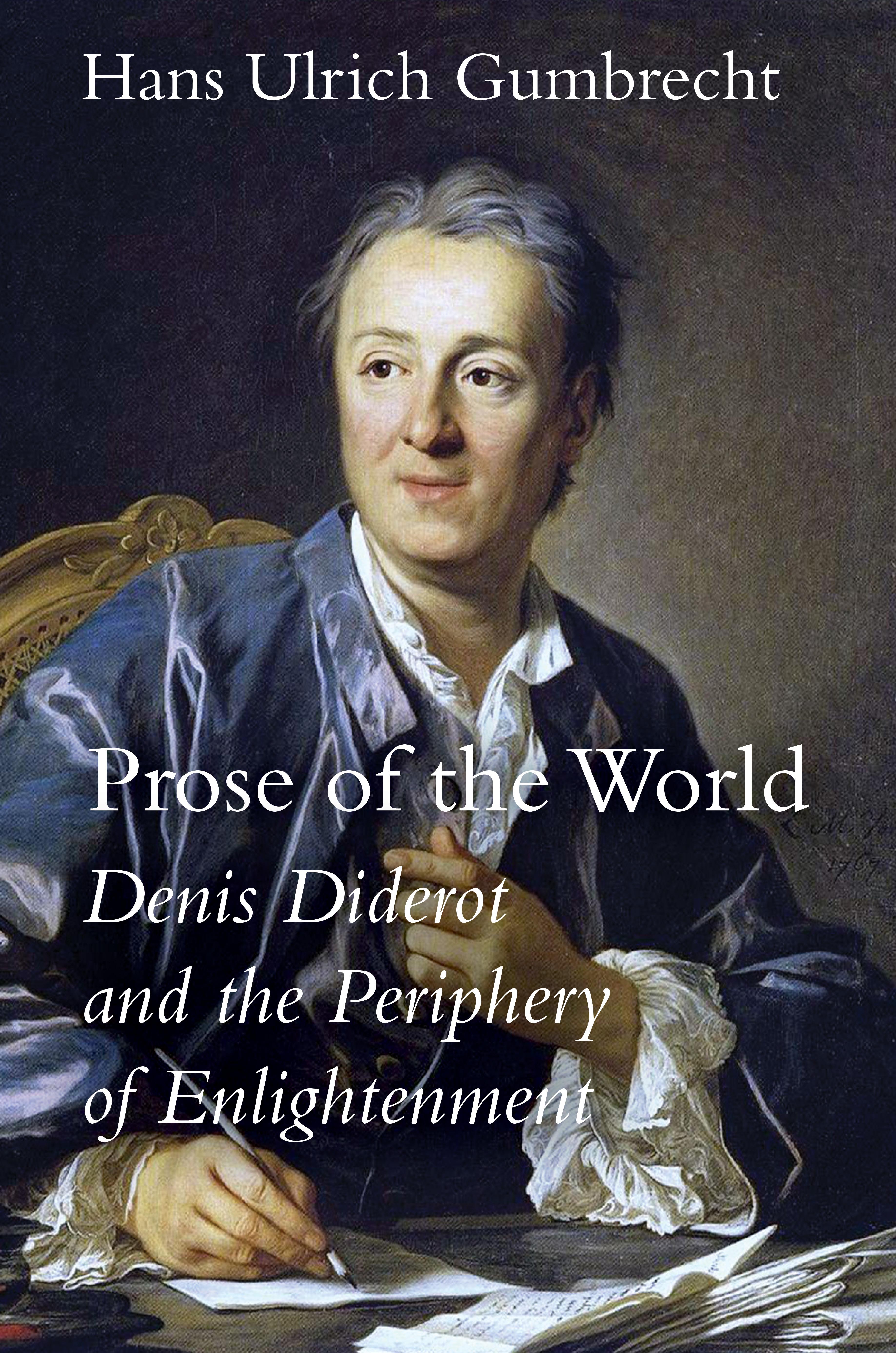
A lively examination of the life and work of one of the great Enlightenment intellectuals
Philosopher, translator, novelist, art critic, and editor of the Encyclopédie, Denis Diderot was one of the liveliest figures of the Enlightenment. But how might we delineate the contours of his diverse oeuvre, which, unlike the works of his contemporaries, Voltaire, Rousseau, Schiller, Kant, or Hume, is clearly characterized by a centrifugal dynamic?
Taking Hegel's fascinated irritation with Diderot's work as a starting point, Hans Ulrich Gumbrecht explores the question of this extraordinary intellectual's place in the legacy of the eighteenth century. While Diderot shared most of the concerns typically attributed to his time, the ways in which he coped with them do not fully correspond to what we consider Enlightenment thought. Conjuring scenes from Diderot's by turns turbulent and quiet life, offering close readings of several key books, and probing the motif of a tension between physical perception and conceptual experience, Gumbrecht demonstrates how Diderot belonged to a vivid intellectual periphery that included protagonists such as Lichtenberg, Goya, and Mozart. With this provocative and elegant work, he elaborates the existential preoccupations of this periphery, revealing the way they speak to us today.
Payez facilement par carte, Klarna, Apple Pay ou Google Pay. Pas satisfait ? Vous avez toujours une garantie de remboursement de 14 jours. En savoir plus dans nos conditions. Si vous avez des questions, envoyez-nous un e-mail à hello@memmo.org.
Memmo facilite tes études, où que tu sois dans le monde. On rassemble tes manuels de cours et des outils d'étude intelligents au même endroit : résumés, quiz, podcasts et flashcards. Et il y a Ted, ton compagnon d'étude qui répond à toutes tes questions. Plus de 50 000 étudiants étudient déjà ici – conçu pour t'aider à apprendre plus vite et à moins stresser.