
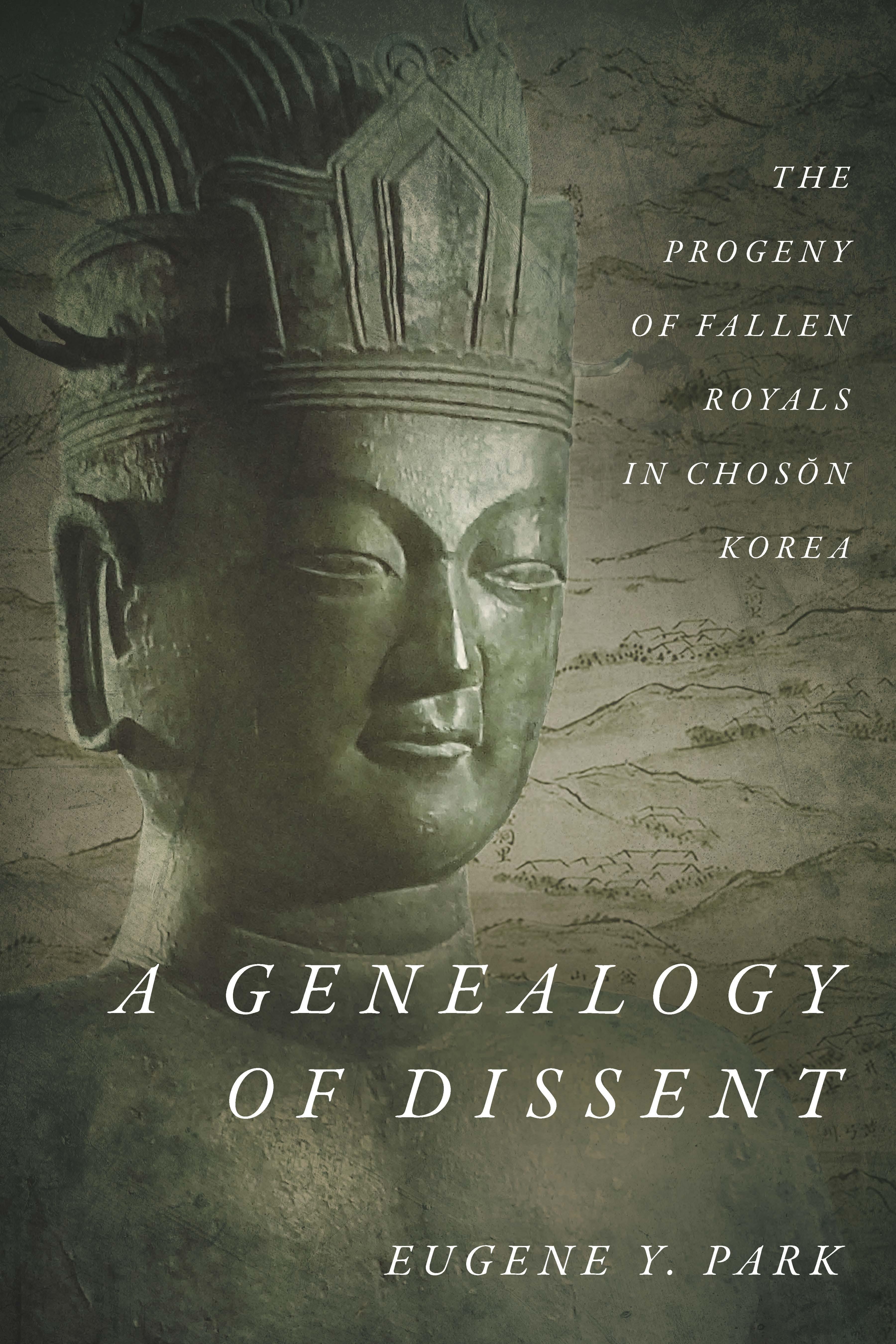
In early modern Korea, the Chosŏn state conducted an extermination campaign against the Kaesŏng Wang, descendants of the preceding Koryŏ dynasty. It was so thorough that most of today's descendants are related to a single survivor. Before long, however, the Chosŏn dynasty sought to bolster its legitimacy as the successor of Koryŏ by rehabilitating the surviving Wangs—granting them patronage for performing ancestral rites and even allowing them to attain prestigious offices. As a result, Koryŏ descendants came to constitute elite lineages throughout Korea. As members of the revived aristocratic descent group, they were committed to Confucian norms of loyalty to their ruler. The Chosŏn, in turn, increasingly honored Koryŏ legacies. As the state began to tolerate critical historical narratives, the early plight of the Wangs inspired popular accounts that engendered sympathy. Modern forces of imperialism, colonialism, nationalism, urbanization, industrialization, and immigration transformed the Kaesŏng Wang from the progeny of fallen royals to individuals from all walks of life. Eugene Y. Park draws on primary and secondary sources, interviews, and site visits to tell their extraordinary story. In so doing, he traces Korea's changing politics, society, and culture for more than half a millennium.
Payez facilement par carte, Klarna, Apple Pay ou Google Pay. Pas satisfait ? Vous avez toujours une garantie de remboursement de 14 jours. En savoir plus dans nos conditions. Si vous avez des questions, envoyez-nous un e-mail à hello@memmo.org.
Memmo facilite tes études, où que tu sois dans le monde. On rassemble tes manuels de cours et des outils d'étude intelligents au même endroit : résumés, quiz, podcasts et flashcards. Et il y a Ted, ton compagnon d'étude qui répond à toutes tes questions. Plus de 50 000 étudiants étudient déjà ici – conçu pour t'aider à apprendre plus vite et à moins stresser.