
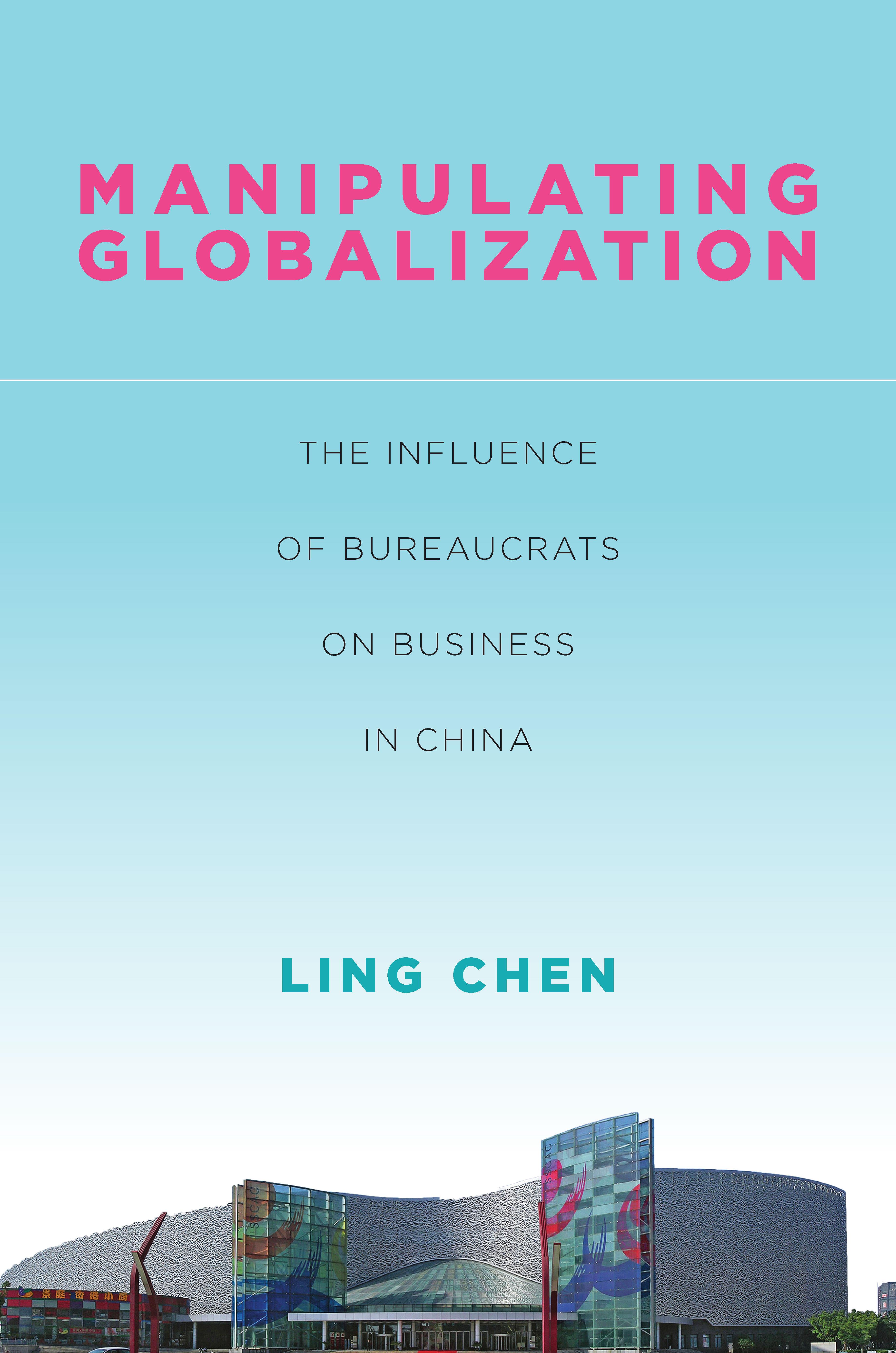
The era of globalization saw China emerge as the world's manufacturing titan. However, the "made in China" model—with its reliance on cheap labor and thin profits—has begun to wane. Beginning in the 2000s, the Chinese state shifted from attracting foreign investment to promoting the technological competitiveness of domestic firms. This shift caused tensions between winners and losers, leading local bureaucrats to compete for resources in government budget, funding, and tax breaks. While bureaucrats successfully built coalitions to motivate businesses to upgrade in some cities, in others, vested interests within the government deprived businesses of developmental resources and left them in a desperate race to the bottom.
In Manipulating Globalization, Ling Chen argues that the roots of coalitional variation lie in the type of foreign firms with which local governments forged alliances. Cities that initially attracted large global firms with a significant share of exports were more likely to experience manipulation from vested interests down the road compared to those that attracted smaller foreign firms. The book develops the argument with in-depth interviews and tests it with quantitative data across hundreds of Chinese cities and thousands of firms. Chen advances a new theory of economic policies in authoritarian regimes and informs debates about the nature of Chinese capitalism. Her findings shed light on state-led development and coalition formation in other emerging economies that comprise the new "globalized" generation.
Payez facilement par carte, Klarna, Apple Pay ou Google Pay. Pas satisfait ? Vous avez toujours une garantie de remboursement de 14 jours. En savoir plus dans nos conditions. Si vous avez des questions, envoyez-nous un e-mail à hello@memmo.org.
Memmo facilite tes études, où que tu sois dans le monde. On rassemble tes manuels de cours et des outils d'étude intelligents au même endroit : résumés, quiz, podcasts et flashcards. Et il y a Ted, ton compagnon d'étude qui répond à toutes tes questions. Plus de 50 000 étudiants étudient déjà ici – conçu pour t'aider à apprendre plus vite et à moins stresser.