
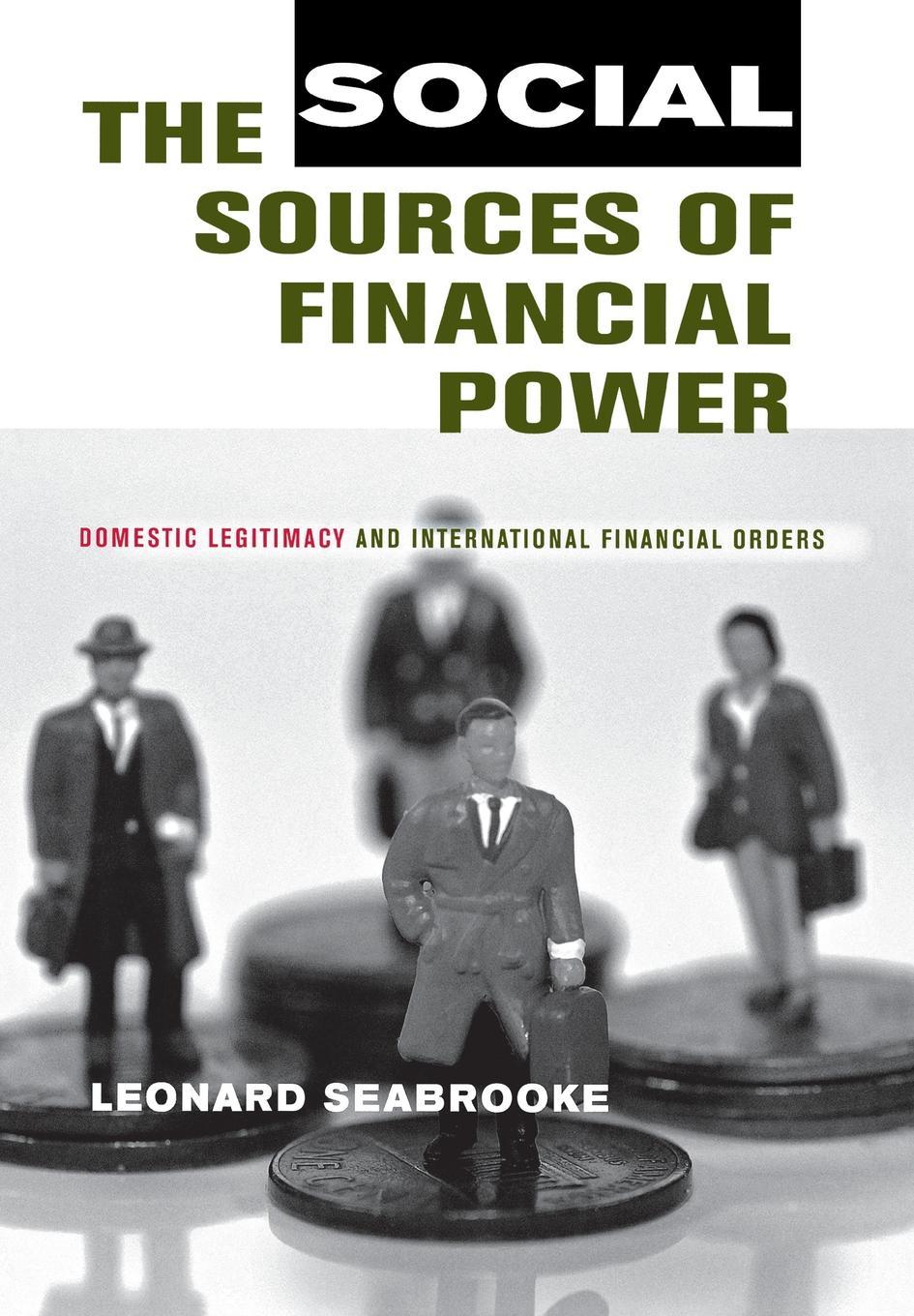
A state's financial power is built on the effect its credit, property, and tax policies have on ordinary people: this is the key message of Leonard Seabrooke's comparative historical investigation, which turns the spotlight away from elite financial actors and toward institutions that matter for the majority of citizens. Seabrooke suggests that everyday contests between social groups and the state over how the economy should work determine the legitimacy of a state's financial and fiscal system. Ideally, he believes, such contests compel a state to intervene on behalf of people below the median income level, leading the state to broaden and deepen its domestic pool of capital while increasing its influence on international finance. But to do so, Seabrooke asserts, a state must first challenge powerful interests that benefit from the concentration of financial wealth.
Seabrooke's novel constructivist approach is informed by economic sociology and the work of Max Weber. This book demonstrates how domestic legitimacy influences the character of international financial orders. It will interest all readers concerned with how best to transform state intervention in the economy for the good of the majority.
Payez facilement par carte, Klarna, Apple Pay ou Google Pay. Pas satisfait ? Vous avez toujours une garantie de remboursement de 14 jours. En savoir plus dans nos conditions. Si vous avez des questions, envoyez-nous un e-mail à hello@memmo.org.
Memmo facilite tes études, où que tu sois dans le monde. On rassemble tes manuels de cours et des outils d'étude intelligents au même endroit : résumés, quiz, podcasts et flashcards. Et il y a Ted, ton compagnon d'étude qui répond à toutes tes questions. Plus de 50 000 étudiants étudient déjà ici – conçu pour t'aider à apprendre plus vite et à moins stresser.