
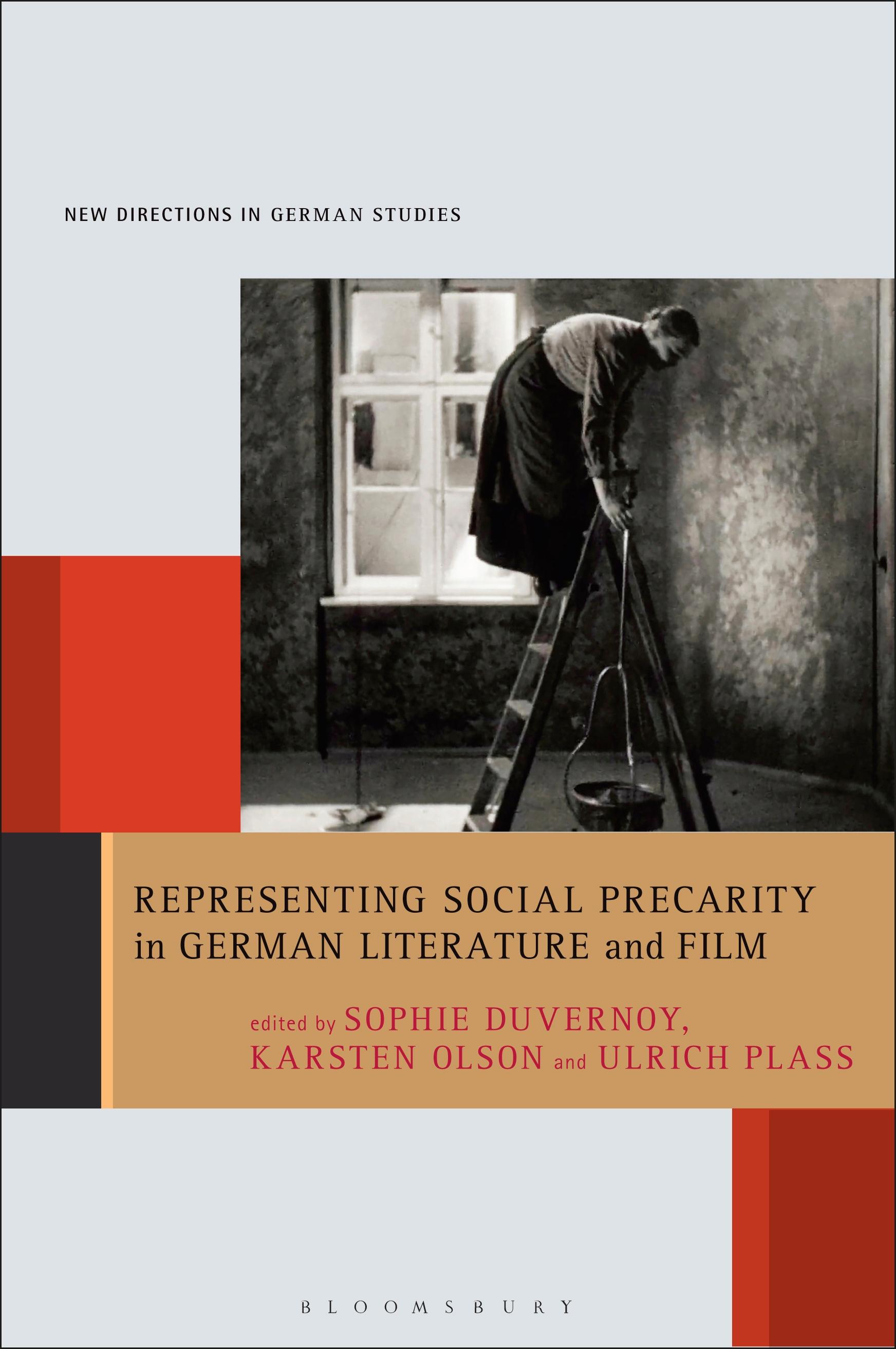
Using Germany as a national case study, this volume examines the historical genesis of precarity, its evolution from 19th-century industrial modernity to the present, and its reflections and reconfigurations in artistic production, in particular with relation to work, gender, and sexuality.
“Precarity is everywhere now,” sociologist Pierre Bourdieu declared almost thirty years ago. Not only declining middle-class standards of living, but also debt, drug addiction, housing and food insecurity, depression, and “deaths of despair” are now being recognized as symptoms of the downward pull of social precarity. Although these and similar ills have been attributed to neoliberal policies of deregulation, privatization, and willful neglect of the common good, precarization has accompanied the booms and busts of industrial modernity from its beginnings.
Representing Social Precarity in German Literature and Film explores how German and Austrian literature, film, and social history have engaged with social precarity, from the period of Romanticism and early industrialization to the present. The chapters in this volume deal with precarity as both an objective phenomenon reflected in literary and filmic representations and as a subjective phenomenon that gives these representations their particular shape. Representing Social Precarity in German Literature and Film opens new critical perspectives on diverse forms of lived precarity and their creative manifestations by reflecting on the history of capitalist modernity from the vantage points of weakness, vulnerability, marginality, impoverishment, and otherness.
“Precarity is everywhere now,” sociologist Pierre Bourdieu declared almost thirty years ago. Not only declining middle-class standards of living, but also debt, drug addiction, housing and food insecurity, depression, and “deaths of despair” are now being recognized as symptoms of the downward pull of social precarity. Although these and similar ills have been attributed to neoliberal policies of deregulation, privatization, and willful neglect of the common good, precarization has accompanied the booms and busts of industrial modernity from its beginnings.
Representing Social Precarity in German Literature and Film explores how German and Austrian literature, film, and social history have engaged with social precarity, from the period of Romanticism and early industrialization to the present. The chapters in this volume deal with precarity as both an objective phenomenon reflected in literary and filmic representations and as a subjective phenomenon that gives these representations their particular shape. Representing Social Precarity in German Literature and Film opens new critical perspectives on diverse forms of lived precarity and their creative manifestations by reflecting on the history of capitalist modernity from the vantage points of weakness, vulnerability, marginality, impoverishment, and otherness.
Payez facilement par carte, Klarna, Apple Pay ou Google Pay. Pas satisfait ? Vous avez toujours une garantie de remboursement de 14 jours. En savoir plus dans nos conditions. Si vous avez des questions, envoyez-nous un e-mail à hello@memmo.org.
Memmo facilite tes études, où que tu sois dans le monde. On rassemble tes manuels de cours et des outils d'étude intelligents au même endroit : résumés, quiz, podcasts et flashcards. Et il y a Ted, ton compagnon d'étude qui répond à toutes tes questions. Plus de 50 000 étudiants étudient déjà ici – conçu pour t'aider à apprendre plus vite et à moins stresser.