
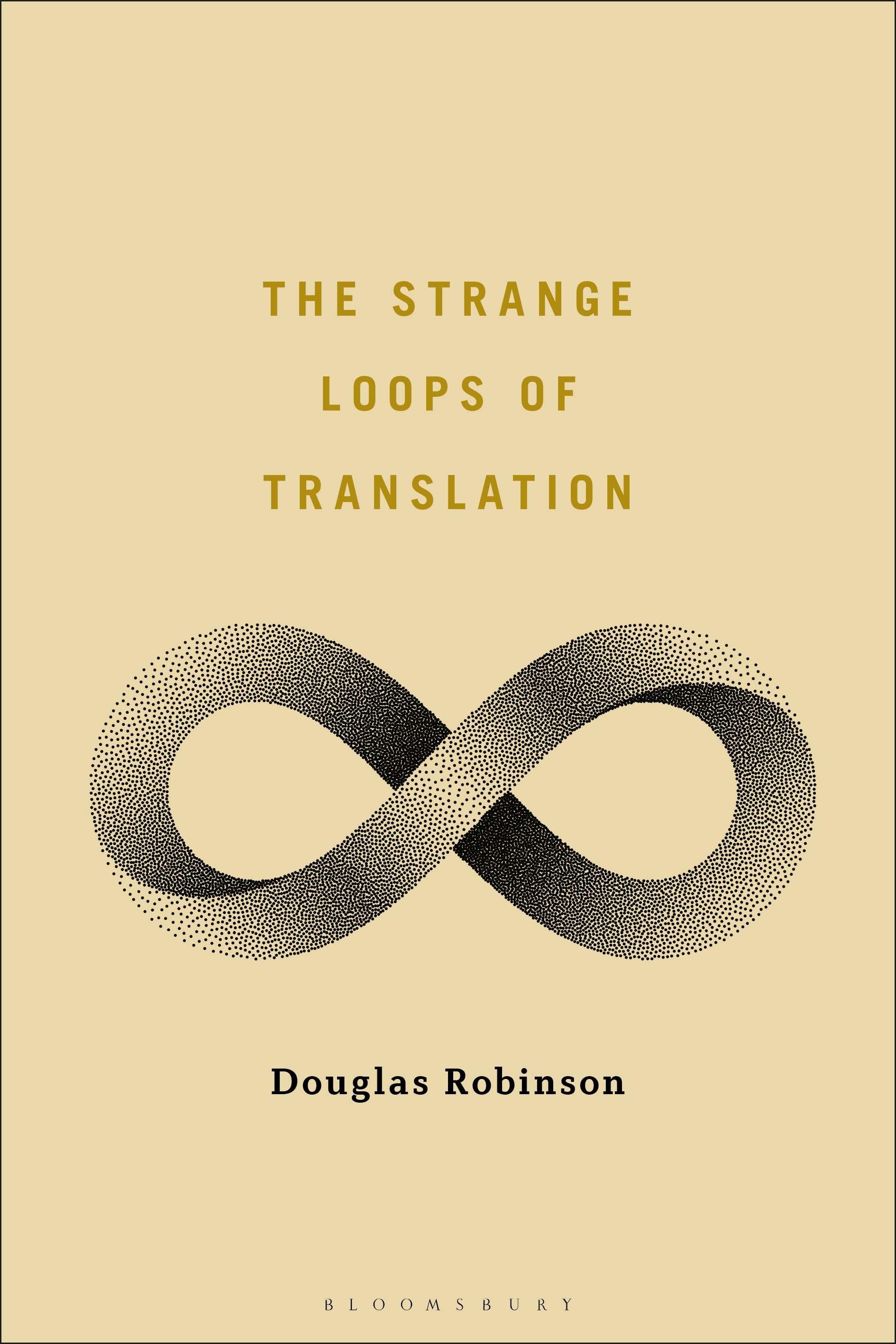
One of the most exciting theories to emerge from cognitive science research over the past few decades has been Douglas Hofstadter's notion of “strange loops,” from Gödel, Escher, Bach (1979). Hofstadter is also an active literary translator who has written about translation, perhaps most notably in his 1997 book Le Ton Beau de Marot, where he draws on his cognitive science research. And yet he has never considered the possibility that translation might itself be a strange loop.
In this book Douglas Robinson puts Hofstadter's strange-loops theory into dialogue with a series of definitive theories of translation, in the process showing just how cognitively and affectively complex an activity translation actually is.
In this book Douglas Robinson puts Hofstadter's strange-loops theory into dialogue with a series of definitive theories of translation, in the process showing just how cognitively and affectively complex an activity translation actually is.
Pages: 240
Catégorie: Språk & Lingvistik
e-ISBN: 9781501382437
Poids d'expédition: 1.2 kg
Expédié sous: 1-2 jours
Payez facilement par carte, Klarna, Apple Pay ou Google Pay. Pas satisfait ? Vous avez toujours une garantie de remboursement de 14 jours. En savoir plus dans nos conditions. Si vous avez des questions, envoyez-nous un e-mail à hello@memmo.org.
Memmo facilite tes études, où que tu sois dans le monde. On rassemble tes manuels de cours et des outils d'étude intelligents au même endroit : résumés, quiz, podcasts et flashcards. Et il y a Ted, ton compagnon d'étude qui répond à toutes tes questions. Plus de 50 000 étudiants étudient déjà ici – conçu pour t'aider à apprendre plus vite et à moins stresser.