
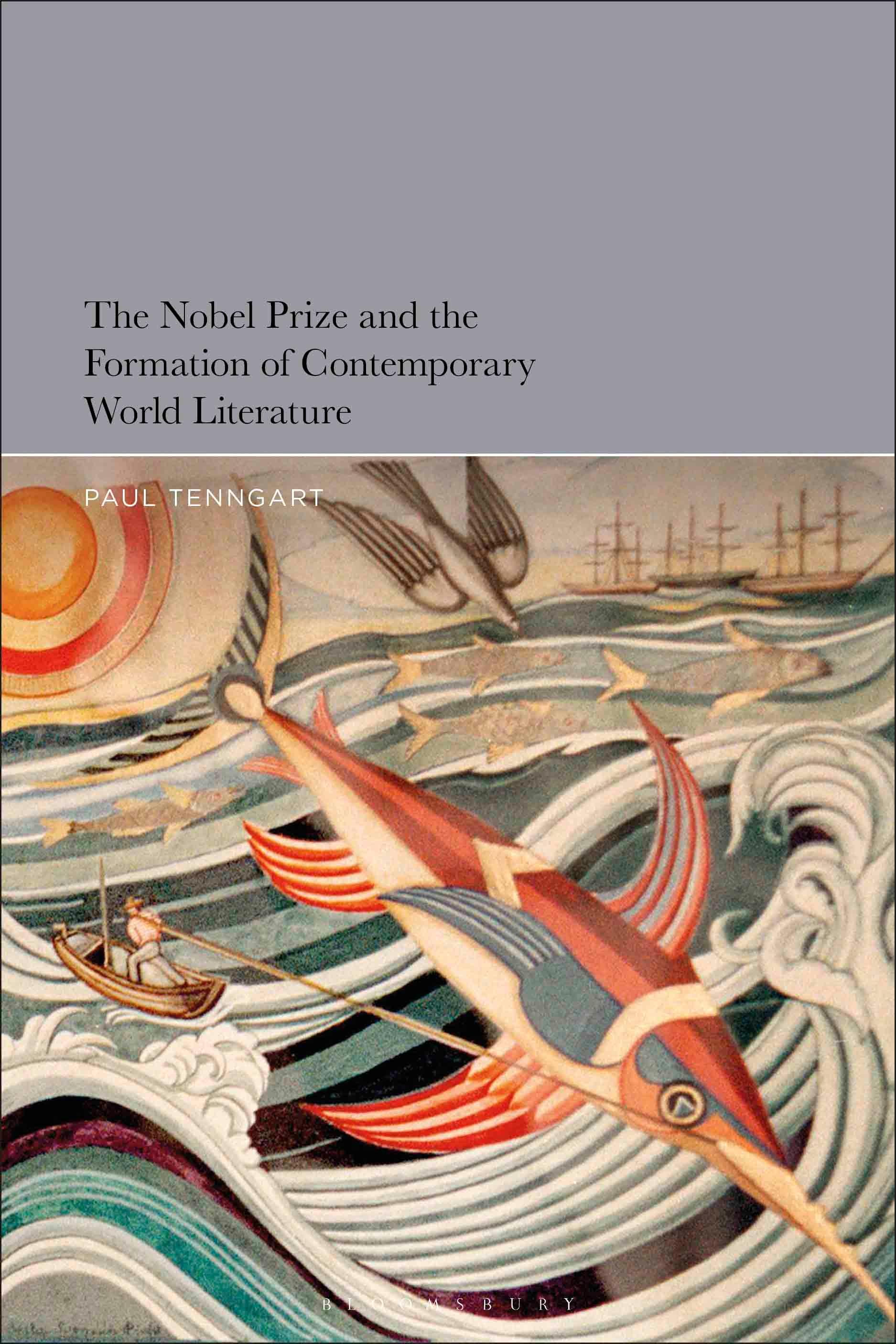
An exploration of the history, ambitions, and impact of the Nobel Prize in literature as it gained a central position in 20th-century global literary culture.
Few scholars would deny that the Nobel Prize is the most prestigious literary award in the world. But what mechanisms made it possible for 18 Swedish intellectuals to become the world's most influential literary critics? Paul Tenngart argues that the Nobel Prize in literature has become a special kind of international canonization: exerted from a non-central, semi-peripheral position, the award sometimes confirms and reinforces hierarchical relations between literary languages and cultures, and sometimes disturbs established patterns of dominance and dependence.
Drawing from a wide range of contemporary theories and methods, this multifaceted history of the Nobel Prize questions how the Swedish Academy has managed to keep the prize's global status through all the violent international crises of the last 120 years; how the selection of laureates shaped the idea of 'universal' literary values and defined literary quality across languages and cultures; and what impact the prize has had on the distribution and significance of particular works, literatures and languages.
The Nobel Prize and the Formation of Contemporary World Literature explores the history and impact of the Nobel Prize in literature from the first award in 1901 through recent controversies involving Bob Dylan and #MeToo, arguing that the prize is a unique performative act that has been – and still is – central in our continual and collective construction of world literature.
Few scholars would deny that the Nobel Prize is the most prestigious literary award in the world. But what mechanisms made it possible for 18 Swedish intellectuals to become the world's most influential literary critics? Paul Tenngart argues that the Nobel Prize in literature has become a special kind of international canonization: exerted from a non-central, semi-peripheral position, the award sometimes confirms and reinforces hierarchical relations between literary languages and cultures, and sometimes disturbs established patterns of dominance and dependence.
Drawing from a wide range of contemporary theories and methods, this multifaceted history of the Nobel Prize questions how the Swedish Academy has managed to keep the prize's global status through all the violent international crises of the last 120 years; how the selection of laureates shaped the idea of 'universal' literary values and defined literary quality across languages and cultures; and what impact the prize has had on the distribution and significance of particular works, literatures and languages.
The Nobel Prize and the Formation of Contemporary World Literature explores the history and impact of the Nobel Prize in literature from the first award in 1901 through recent controversies involving Bob Dylan and #MeToo, arguing that the prize is a unique performative act that has been – and still is – central in our continual and collective construction of world literature.
Pages: 264
Catégorie: Litteraturvetenskap & Teori
e-ISBN: 9781501382130
Poids d'expédition: 1.2 kg
Expédié sous: 1-2 jours
Payez facilement par carte, Klarna, Apple Pay ou Google Pay. Pas satisfait ? Vous avez toujours une garantie de remboursement de 14 jours. En savoir plus dans nos conditions. Si vous avez des questions, envoyez-nous un e-mail à hello@memmo.org.
Memmo facilite tes études, où que tu sois dans le monde. On rassemble tes manuels de cours et des outils d'étude intelligents au même endroit : résumés, quiz, podcasts et flashcards. Et il y a Ted, ton compagnon d'étude qui répond à toutes tes questions. Plus de 50 000 étudiants étudient déjà ici – conçu pour t'aider à apprendre plus vite et à moins stresser.